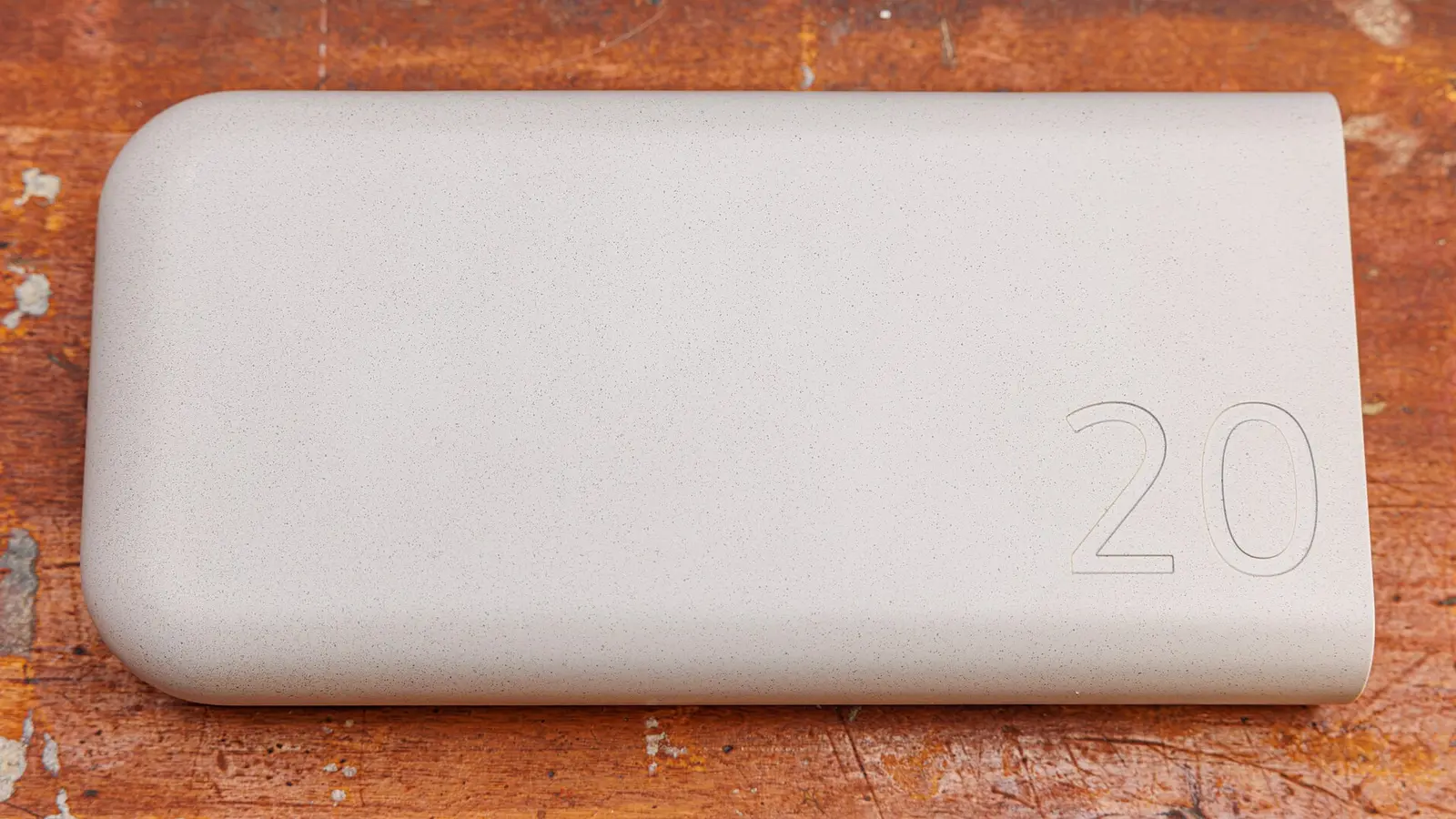
The safest corporate tech gifts are the ones that solve a small daily problem: keeping a phone, earbuds, watch or laptop powered without making the recipient think. Choose the product by use case first, then check charging specifications, branding, packaging and compliance before you approve the sample.
Choose corporate tech gifts by daily use
Start with where the gift will live. A desk gift can be larger and more visible; a travel gift must be compact and reliable in a bag; an event giveaway should be simple enough that recipients understand it immediately. Chargers, USB-C cables and power banks are strong choices because they support existing habits instead of asking people to learn a novelty item.
Match the gift to the recipient group before you compare finishes or logo areas. Executives may prefer a low-profile desk charger or a folding travel station. Field sales teams may value a power bank or car charging accessory. Conference visitors may keep a short multi-connector cable if it fits a laptop sleeve or badge bag. Remote teams often use phone stands, charging pads and cable kits at home desks.
| Recipient | Daily-use fit | Watch-out |
|---|---|---|
| Office teams | Desk chargers | Cable included |
| Travellers | Foldable chargers | Case thickness |
| Event visitors | Cables | Clear rating |
| Sales teams | Power banks | Shipping rules |
| VIP clients | Gift kits | Subtle branding |
The decision is not only product type. It is also how much friction the gift removes. A wireless charger that requires careful phone placement may be less useful than a magnetic design with better alignment. A cable that looks attractive but lacks clear power and data information may create support questions. A power bank with unclear safety documents can delay a campaign even if the product looks right.
You can use product categories such as wireless chargers, fast charging USB cables and power banks as starting points, but the buying brief should describe the recipient, device mix, usage scene and deadline before choosing a model.
Product choices that stay on desks and in bags
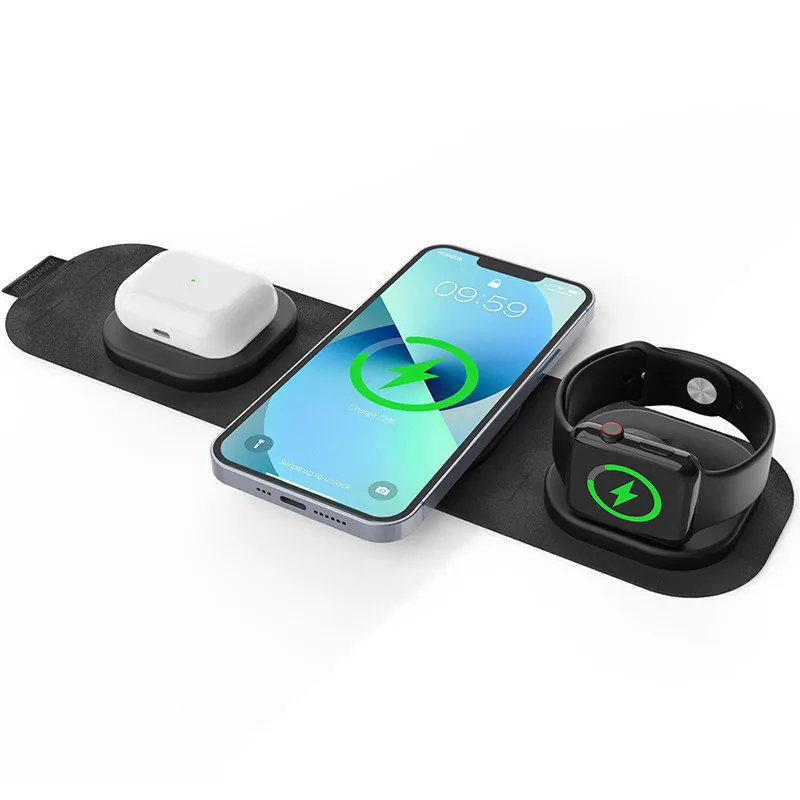
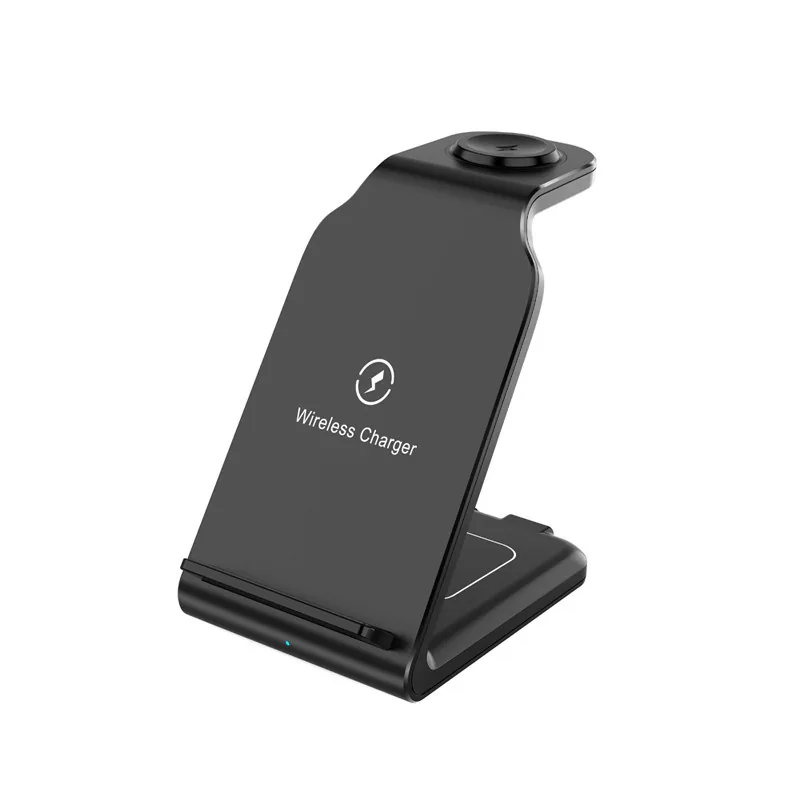
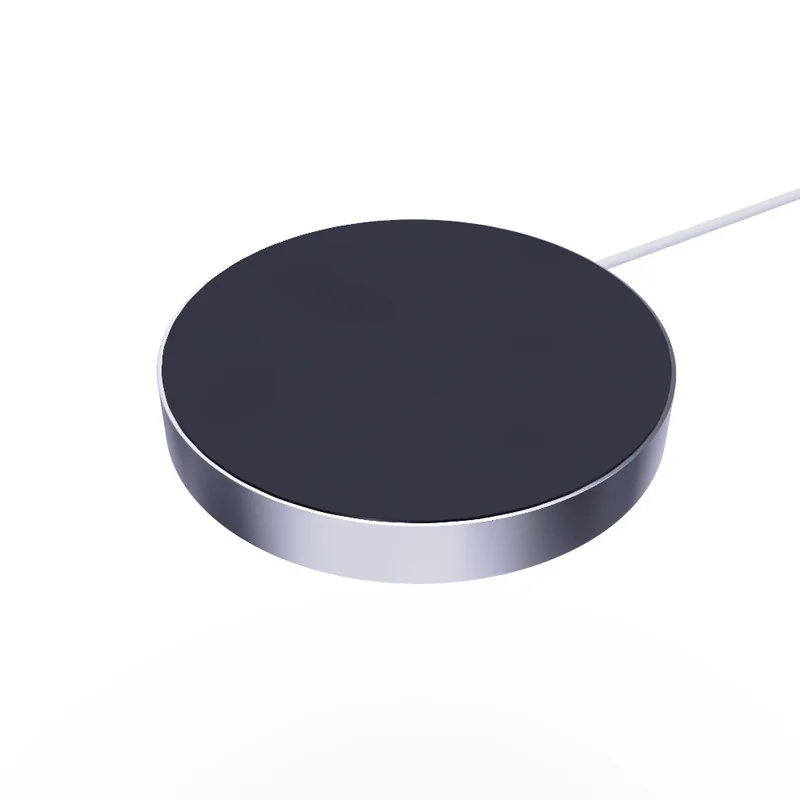
Wireless chargers work well when the recipient has a fixed charging spot. A flat pad is simple and low cost in perception, while a stand keeps the phone visible during calls. A multi-device station can be useful for people who charge a phone, earbuds and watch in one place, but it also needs clearer compatibility checks.
Magnetic wireless charging is often requested for recent iPhone-focused campaigns. MagSafe is Apple’s magnetic charging system; Qi and Qi2 are wireless charging standards from the Wireless Power Consortium. Qi2 introduced the Magnetic Power Profile, magnetic attachment and alignment, and a 360 kHz operating frequency. Qi 2.2 supports up to 25 W power transfer, while Qi 1.2 introduced fast charging up to 15 W and improved thermal and foreign-object-detection tests. Foreign-object detection means the charger is designed to detect metal objects that should not be between the charger and phone.
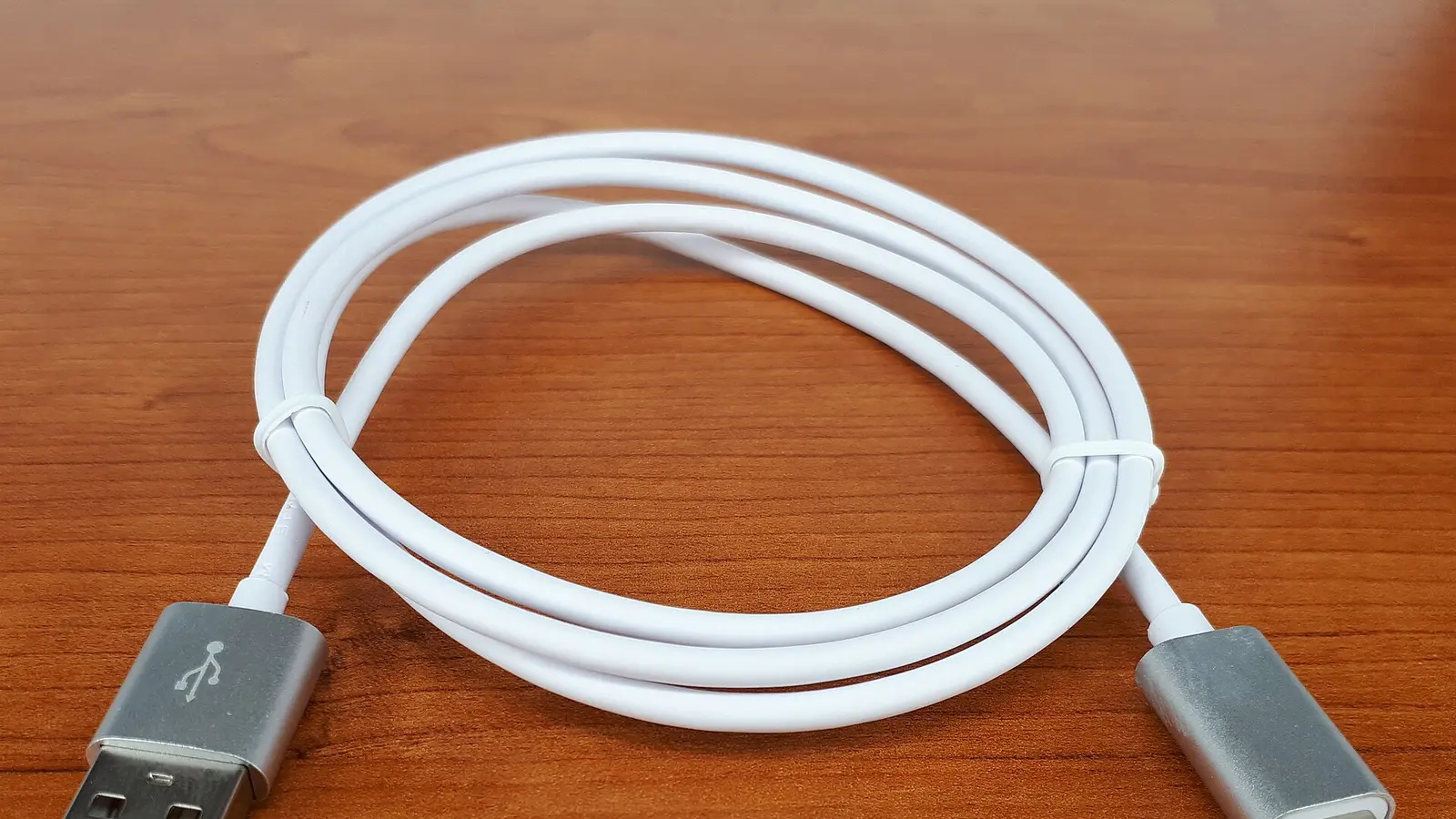
USB-C cables are practical because USB Type-C is a slimmer connector system with reversible plug orientation and scalable power and performance. For a gift, the important question is not just whether the connector fits. You should specify the charging power, whether data transfer is needed, the cable length, the shell material, the strain relief and the marking required for the intended market.
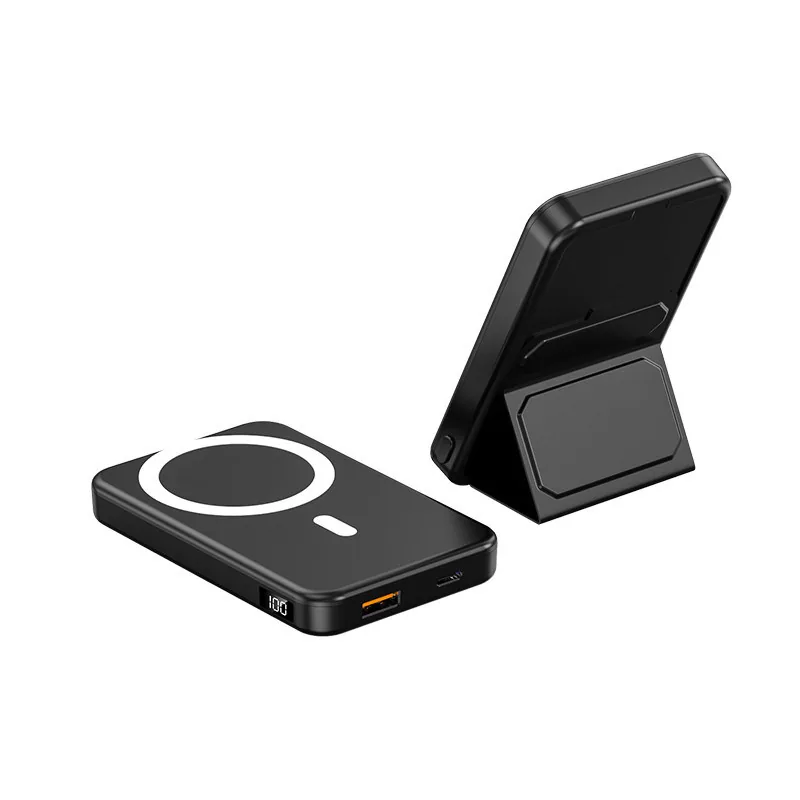
Power banks are useful when recipients travel, commute or work away from desks. For these, the brief should define battery capacity, input and output ports, wireless charging support if needed, display type, enclosure finish and safety files. Because power banks contain lithium batteries, shipping planning should begin before the artwork is approved, not after cartons are ready.
A kit can combine a charger, cable and pouch or box insert. Kits feel more complete, but they add packaging decisions and increase the need for version control: the box, manual, label, insert and product must all describe the same power rating, connector type and compliance information.
Specifications that prevent disappointment
Write the specification in plain terms that a supplier and your internal team can both check. Avoid vague phrases such as “fast charging” unless you also state the standard, power rating and connector requirements. A gift that charges slowly, overheats, fails with common cases or lacks clear markings can damage the campaign more than no gift at all.
For wireless chargers, ask for:
- Wireless standard and intended device compatibility
- Rated input and output power
- Whether magnetic alignment is required
- Coil position and phone placement guidance
- Heat-control design and over-temperature protection description
- Foreign-object-detection support where relevant
- Adapter and cable requirements, if not included
- Whether the Qi logo is requested and how certification will be verified
For USB-C cables, ask for:
- Connector combination, such as USB-C to USB-C
- Power capability shown as a rated wattage
- Data rate requirement, if data transfer matters
- Cable length and outer jacket material
- Bend, pull and strain-relief expectations stated in your own inspection plan
- Logo and packaging text that matches the cable’s real capability
USB-IF says all USB-C to USB-C cable categories must be labeled with either a 60 W or 240 W power capability icon or logo before compliance testing. Except for High-Speed USB 2.0 USB-C to USB-C cables, cables must also be marked with the data rate they support. USB-IF also says a cable that fails testing is not authorized to bear the logos or be sold in the marketplace with them.
For power banks, ask for:
- Battery capacity and rated input and output
- USB-C and other port functions
- Wireless charging function, if included
- Over-current, over-voltage and over-temperature protection description
- Product label content and traceability code
- Shipping documents needed for lithium-battery transport
- Carton marking and carrier restrictions for the destination route
Do not treat a promotional gift as exempt from electrical safety, radio-frequency, battery, packaging or traceability rules.

Branding and packaging without lowering perceived value
Good branding makes the product feel commissioned, not plastered. On chargers and power banks, a small logo on a clean surface often looks more premium than a large mark that interrupts the shape. On cables, branding may be limited to connector shells, cable tags, wraps or packaging, so the packaging may carry more of the campaign message than the cable itself.
Common branding decisions include:
- Logo size and position
- One-colour or full-colour artwork
- Surface finish, such as matte, gloss or soft-touch effect where available
- Product colour matched to brand guidelines where practical
- Gift-box artwork, sleeve, insert card or thank-you card
- Barcode, SKU label, warning label and country-specific text
- Manual language and charger-use instructions
For approval, separate the visual proof from the working sample. The visual proof shows where the logo, label and packaging text will sit. The working sample proves the user experience: charging behaviour, cable fit, magnet alignment, heat, packaging protection and unboxing. If both are approved at once without careful checking, teams may miss a mismatch between box claims and product performance.
For European campaigns, packaging is not only a design choice. European Commission rules cover all packaging and packaging waste regardless of material or origin, including requirements for manufacturing, composition, reusability or recoverability, waste management and prevention. The Packaging and Packaging Waste Regulation is in force from 11 February 2025 and applies from 12 August 2026. The Commission says it aims to make all packaging on the EU market recyclable in an economically viable way by 2030 and to harmonise rules across Member States.
That means a buyer should ask early how the box, insert, bag, label and outer carton will be described in the packaging file. Do not leave packaging material decisions until the final artwork stage if the goods are intended for the EEA.
Timing, quantities and approval gates
There is no safe universal timeline for a branded electronics gift. Timing changes with product type, logo method, packaging complexity, testing requirements, battery shipping route, holiday periods and how quickly the buyer approves artwork and samples. Instead of asking only “How fast can you ship?”, build the project around approval gates.
Use these gates in your schedule:
- Product brief confirmed
- Compliance needs confirmed for each sales market
- Artwork files received in editable format
- Logo placement proof approved
- Packaging dieline and text approved
- Working sample checked
- Compliance documents reviewed
- Pre-shipment inspection plan agreed
- Carton marks and delivery address confirmed
- Shipping method booked
Quantities also change the process. A small campaign may use a standard product with a logo and a simple box sticker. A larger rollout may need stricter colour control, retail-style packaging, barcode labels, multilingual manuals and staged inspections. A new ODM design, meaning a product developed to your requested design rather than only a logo on an existing design, adds more review points because mechanical fit, electronics, packaging and compliance files must move together.
Ask suppliers to quote the project in layers rather than as one vague line. You need to see what changes between a logo-only order, a custom gift box, a full retail-style package and an ODM version. Shenzhen Sunning Tension Industrial Co., Ltd. makes wireless chargers, USB cables and wireless charging power banks to order for brands, importers, distributors and promotional-gift buyers, including OEM and ODM work with custom logos and packaging; if you need a project-specific quotation or sample, use the contact page.
Safety and compliance files to request
A charger or power bank may be a gift, but regulators still treat it as an electronic product. The right files depend on where the product will be marketed, the product category and the claims printed on the product or packaging.
For the United States, the Federal Communications Commission says any entity that markets a radio-frequency device, including manufacturers, importers and retailers, should make sure each device in its inventory or catalogue has been properly authorized. With limited exceptions, RF devices must be properly authorized under either Supplier’s Declaration of Conformity or Certification before being marketed in the United States. For devices subject to SDoC, marketers should obtain proof of compliance and include the required compliance statement.
For the EEA, CE marking means products sold there have been assessed to meet high safety, health and environmental protection requirements. The European Commission states that manufacturers are responsible for conformity assessment, technical files, EU declarations of conformity and affixing the CE mark, while importers and distributors must ensure compliant CE-marked products are placed on the EEA market. CE marking does not mean a product has been approved as safe by the EU, and it does not indicate origin.
The Low Voltage Directive 2014/35/EU covers health and safety risks for electrical equipment with input or output voltage between 50 and 1000 V AC or 75 and 1500 V DC. The Commission lists cables and power supply units among covered product types and states that the directive has applied since 20 April 2016. Consumer goods below those voltage limits fall under general product safety rules.
The EMC Directive deals with electromagnetic compatibility, meaning equipment should not generate or suffer from electromagnetic disturbance. The Commission says electrical and electronic equipment needs to comply with EMC requirements when placed on the market or taken into service. It also states that voluntary or additional certificates are not a recognized means of proving EU compliance, and CE marking can only be affixed after the required testing and conformity assessment procedure.
RoHS controls restricted substances in electrical and electronic equipment. The RoHS FAQ says manufacturers or EU authorised representatives must draw up an EU Declaration of Conformity as part of the conformity assessment procedure, and that CE marking is the only marking that attests RoHS 2 conformity for in-scope EEE. It also says manufacturers must mark equipment with a type, batch, serial number or other identifying element for traceability.
For wireless charging claims, WPC says Qi certification requires membership, product submission, compliance testing at an Authorized Test Lab, interoperability testing at an Interoperability Testing Center and WPC review. Products that pass are allowed to use the Qi logo on the product and packaging. WPC also says the way to be certain a product has been tested is to search its certified-products database.
RFQ checklist for branded electronics gifts
A clear RFQ, or request for quotation, reduces mistakes because it gives suppliers the same information at the same time. Attach artwork, packaging notes and compliance expectations at the start, not after the commercial terms are agreed.
Include these points:
- Product type: wireless charger, cable, power bank or kit
- Target recipient and usage scene
- Destination market and sales channel
- Required charging standard and power rating
- Connector type, cable rating and data requirement
- Battery capacity and shipping route for power banks
- Device compatibility targets and any case-use assumptions
- Logo file format, colour reference and preferred placement
- Packaging style: plain box, gift box, sleeve, insert or retail-style box
- Barcode, SKU, warning label and traceability needs
- Manual language and compliance statement needs
- Required test reports, declarations and database checks
- Carton mark, carton label and delivery deadline
- Sample approval steps and inspection requirements
- Contact person for artwork and technical approval
After you receive quotations, compare more than the unit product. Compare what is included: cable, adapter if any, manual, inner packaging, outer carton, labels, compliance documents, sample process and inspection support. A low-looking product cost can become expensive if packaging, documents or shipping constraints are discovered late.
Questions and answers
Which gifts are most likely to be kept?
A gift is more likely to be kept when it solves a daily charging or desk-organisation problem. Desk wireless chargers, compact USB-C cables, foldable travel chargers and power banks usually have clearer daily use than novelty gadgets, but the right choice depends on the recipient’s device mix and where the gift will be used.
Should I choose a charger, cable, power bank or kit?
Choose a charger for desks, a cable for broad event distribution, a power bank for mobile teams and a kit when you want a more complete presentation. Kits need tighter control because the product, cable, manual, labels and packaging must all match the same technical claims.
How much branding is too much?
Branding is too much when it makes the product look like an advertisement rather than a tool. Use a restrained logo on the product and place campaign messaging on the gift box, sleeve or insert card. Always approve logo placement and packaging text before production.
What timing should I plan for?
Plan around approval gates rather than a universal promise. Your schedule should include product selection, artwork proof, sample checking, packaging approval, compliance review, inspection and shipping booking. Battery products and custom packaging usually need earlier planning because documents and logistics can affect the final delivery path.
What compliance files should I ask for?
Ask for the documents relevant to your market and product type: FCC authorization evidence for U.S. radio-frequency devices, CE-related technical and declaration files for the EEA, EMC and RoHS documentation where applicable, and Qi database verification if you require use of the Qi logo. For power banks, also confirm lithium-battery shipping documents with your logistics provider.
Can I print Qi, Qi2 or USB logos on packaging?
Only use official logos when the product is authorized under the relevant programme. WPC says products that pass Qi certification may use the Qi logo, and USB-IF says certified USB logos require compliance testing, listing on the Integrators List and a current Trademark License Agreement. If in doubt, verify before artwork approval.
Sources
- Wireless Power Consortium: Qi Certification Process
- Wireless Power Consortium: History of the Qi Specifications
- USB Implementers Forum: USB Type-C® Cable and Connector Specification
- USB Implementers Forum: Cables and Connectors
- Federal Communications Commission: Federal Communications Commission DA 19-91
- European Commission: CE marking
- European Commission: Low Voltage Directive (LVD)
- European Commission: Electromagnetic Compatibility (EMC) Directive
- European Commission Directorate-General for Environment: FAQ Key Guidance Document - RoHS
- European Commission Directorate-General for Environment: Packaging waste
Written by the engineering team at Shenzhen Sunning Tension Industrial Co., Ltd., an OEM and ODM factory in Bao’an, Shenzhen making consumer electronics and supplying custom-branded gifts. Ask a question about your own specification →