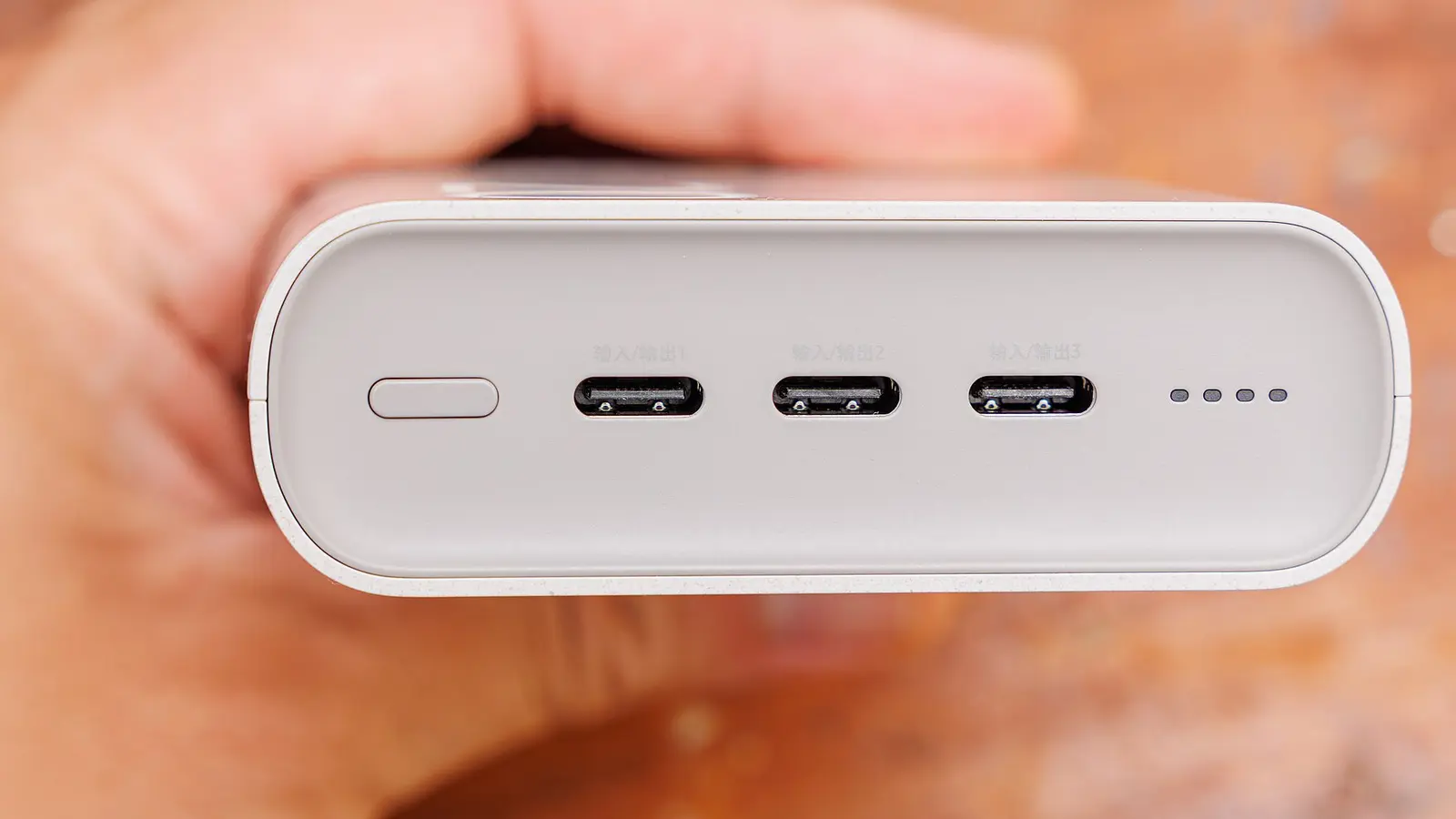
If you ship power banks or other products with lithium batteries, un38.3 is the transport test basis your forwarder will ask about. In practice, buyers should collect the UN38.3 test summary, the battery or pack details, a Safety Data Sheet, and the right UN number before shipment planning begins.
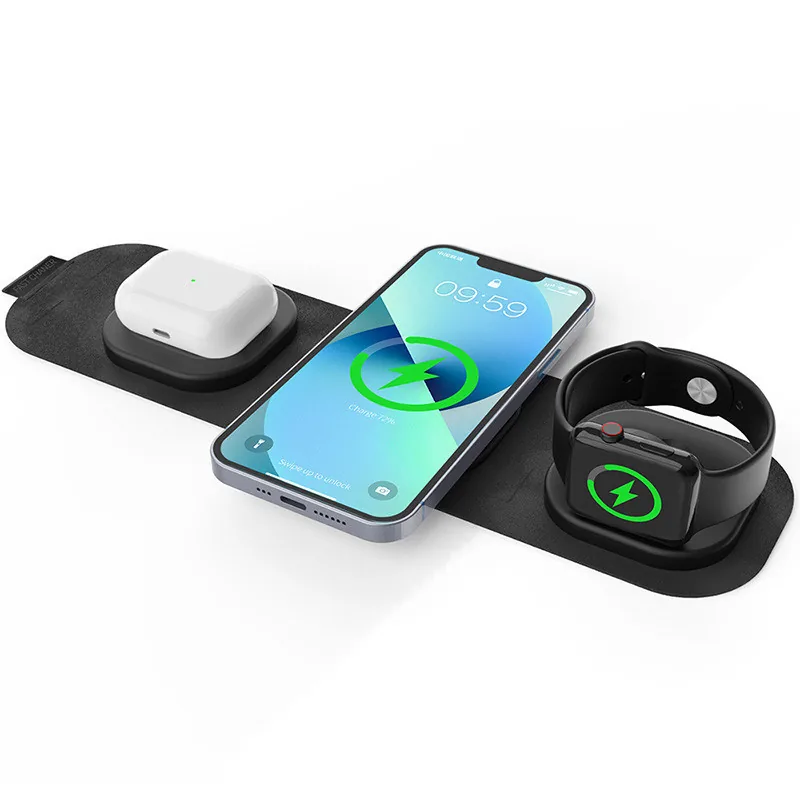
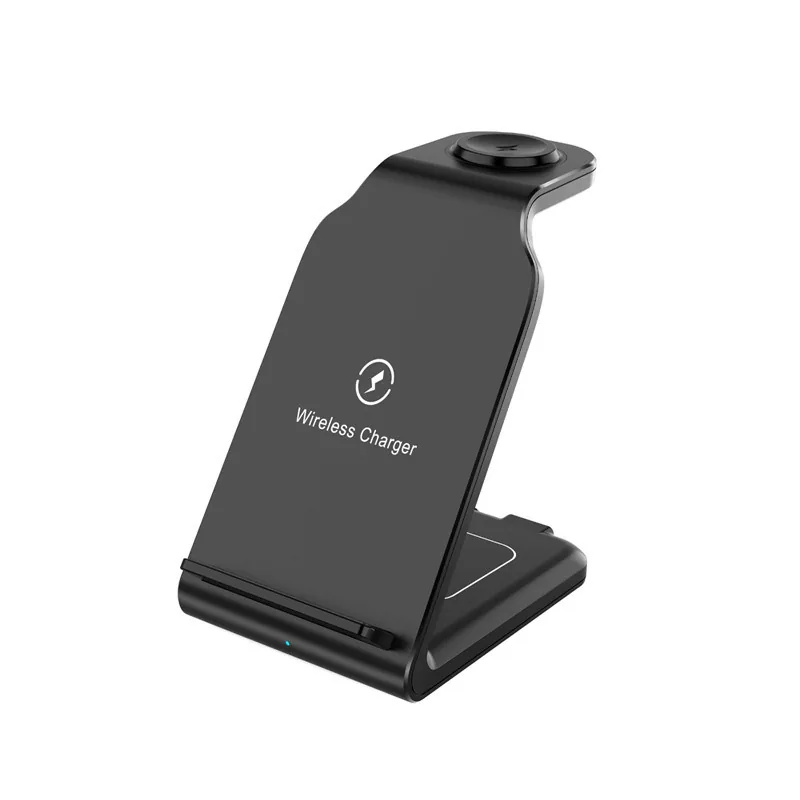
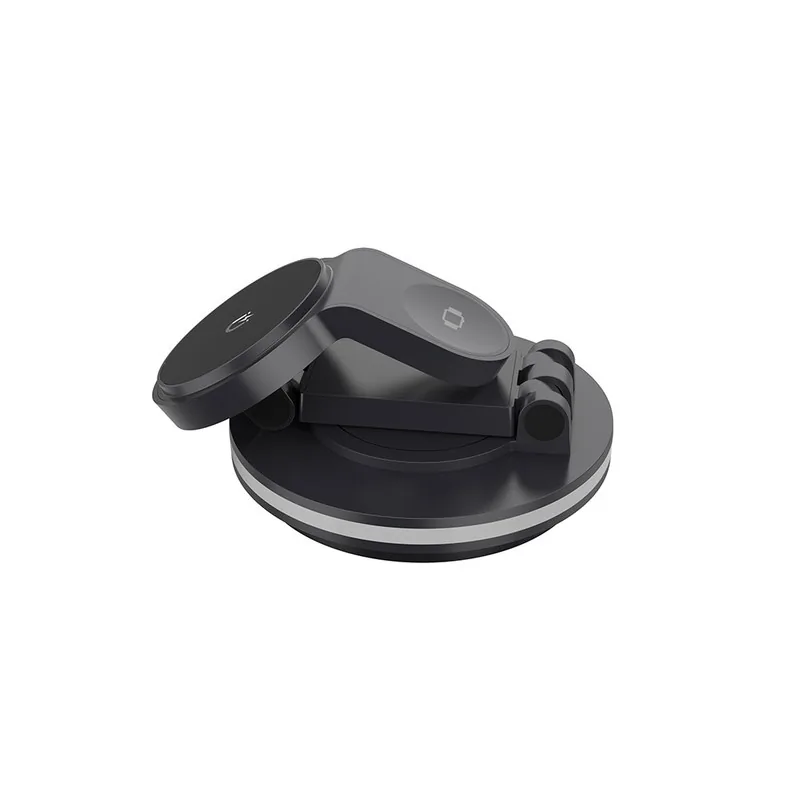
UN38.3 does not apply to every electronic accessory. A wireless charging power bank needs lithium battery paperwork, while a USB cable or an ordinary wireless charger with no built-in battery is not shipped as a lithium cell or battery.
The paperwork that makes a lithium shipment possible
Lithium battery transport starts with classification. The United Nations Model Regulations assign lithium cells and batteries to UN 3090, UN 3091, UN 3480, or UN 3481 as appropriate, including batteries that are contained in or packed with equipment. They may be transported under those entries only when each cell or battery is of a type proven to meet the UN Manual of Tests and Criteria, Part III, subsection 38.3.
For an electronics buyer, the practical document pack normally begins with these items:
- UN38.3 test summary for the exact cell, battery, or pack used in the ordered product.
- Battery model, product model, watt-hour rating, and lithium-ion or lithium-metal type.
- Safety Data Sheet, often still called MSDS, for chemical and emergency information.
- Air or sea transport confirmation from the forwarder or test service, where requested.
- Correct UN number for the shipment and matching marks or labels on the package.
- Packaging confirmation, including short-circuit protection for terminals.
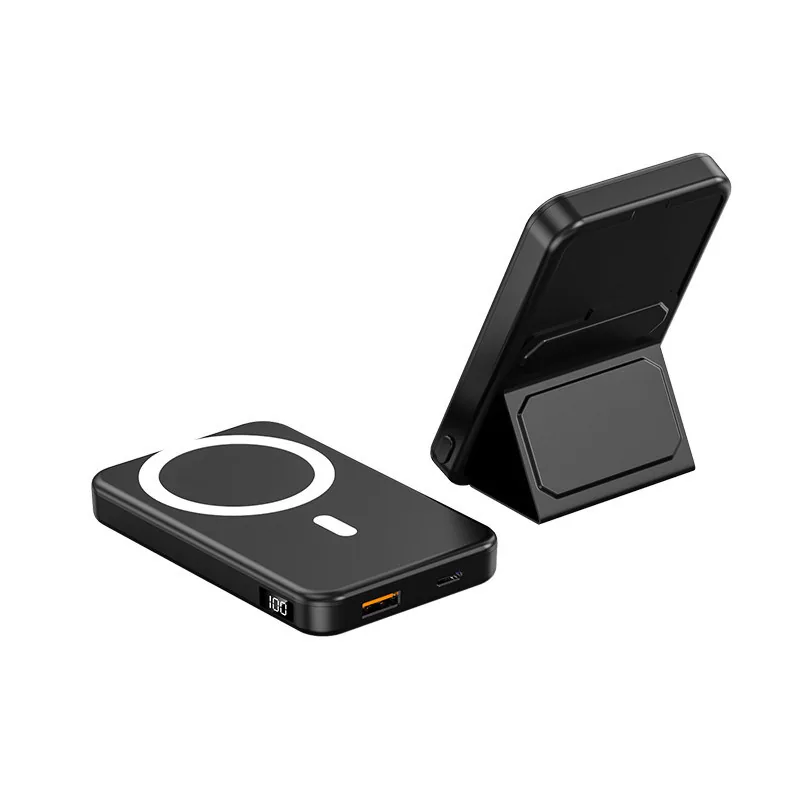
The difference between a battery product and a non-battery accessory matters at the quotation stage. For example, wireless charging power banks contain lithium batteries and need lithium transport paperwork; USB cables do not need UN38.3 paperwork when they contain no lithium cell or battery.
Do not accept a general sentence saying the battery meets UN38.3 as a substitute for the required test summary; PHMSA has stated that a general compliance statement is not enough.
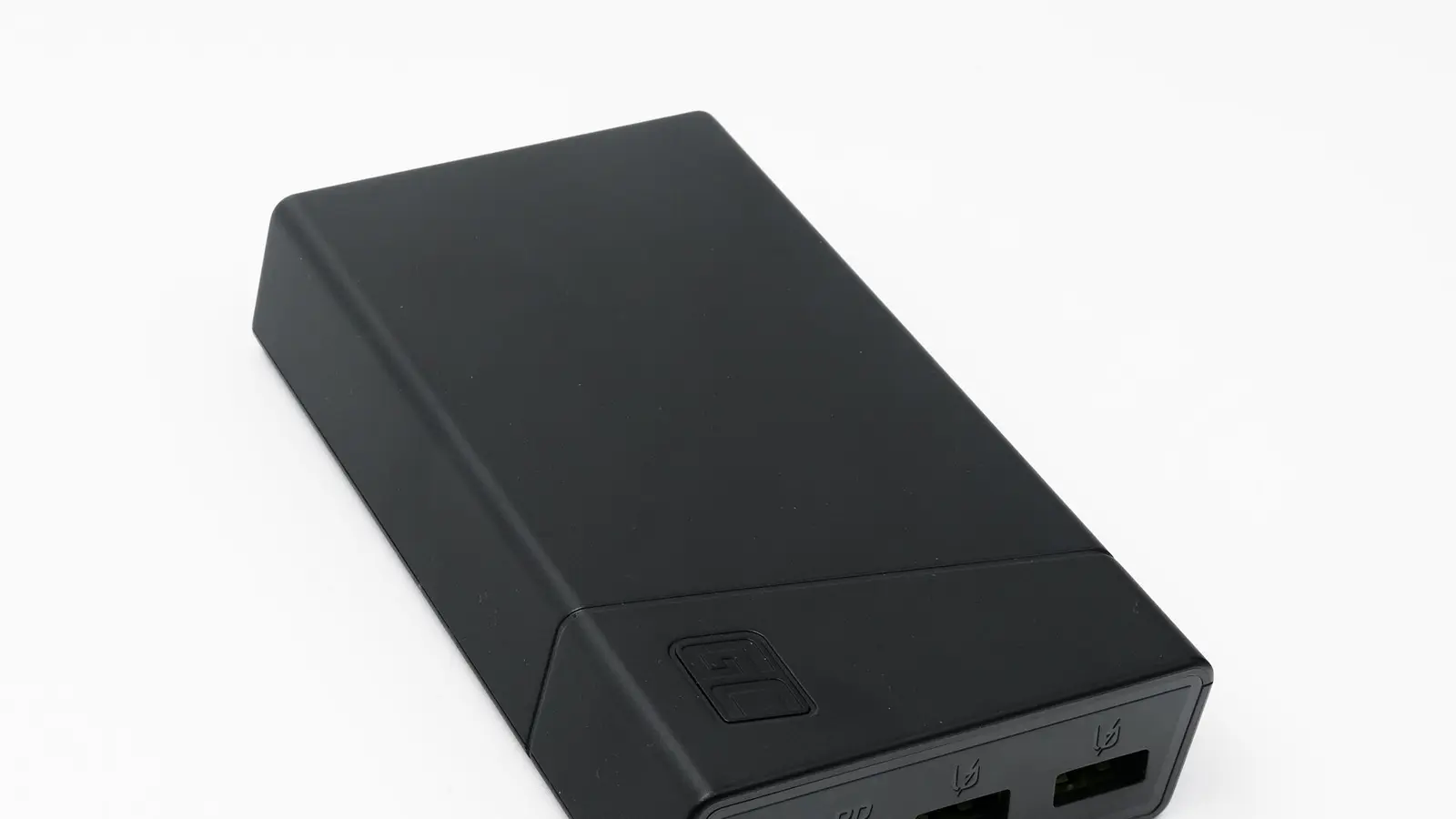
un38.3 for power banks and battery products
UN38.3 is not simply a badge on a product page. It refers to transport testing under the UN Manual of Tests and Criteria, Part III, subsection 38.3. Under U.S. hazardous materials rules, each lithium cell or battery must be of a type proven to meet that subsection, and this also applies when a battery is built from tested cells.
The document many buyers should ask for is the UN38.3 test summary. The United Nations added subsection 38.3.5 for this summary and lists the information it must contain. The summary is different from a full test report: the full report may be held by the battery maker or test laboratory, while the summary is the transport document designed to be made available.
A complete test summary should include:
- Manufacturer details and contact details.
- Test laboratory details.
- Unique test report identification.
- Test report date.
- Battery description.
- Lithium-ion or lithium-metal type.
- Mass.
- Watt-hour rating or lithium content.
- Physical description of the cell or battery.
- Model numbers.
- Tests conducted, with pass or fail results.
- Reference to the Manual revision used.
- Responsible signature.
For lithium cells or batteries manufactured on or after January 1, 2008, U.S. rules require manufacturers and subsequent distributors to make a test summary available, except for button cells installed in equipment. PHMSA has also stated that the test summary does not have to be physically present with the shipment, but the shipper or subsequent distributor must be able to make available a complete summary containing all required information.
For buyers, that means you do not normally need to ask a supplier to put a copy inside every carton unless your forwarder asks for it. You do need the correct file in hand before cargo is booked, because a forwarder, airline, carrier, customs broker, or marketplace compliance team may ask for it.
The test summary must match the product you buy
The most common sourcing risk is not that no paper exists. It is that the paper belongs to a different battery, an older version, or only one part of the finished product.
Check the test summary against your approved sample and purchase specification before production, especially for OEM and ODM work. ODM means the supplier provides an existing design for your brand; OEM means the product is made to your design or specification. If you are still defining the project scope, the OEM and ODM guide is the right place to align product, branding, and documentation expectations.
Risk signs include:
- The model number on the test summary does not match the battery or pack used in your ordered SKU.
- The watt-hour rating is missing, unclear, or different from the product specification.
- The document refers only to a cell, while your product uses a battery pack.
- The battery supplier named in the document is not the supplier used for the order.
- The date and model information suggest an older battery version.
- The product sample and the shipping document describe different capacities or pack construction.
Logo printing and retail packaging changes usually do not change the lithium cell or battery type. But changes to battery capacity, cell count, battery management system, enclosure, or cell supplier can affect whether the existing document still represents the product being shipped. A battery management system, or BMS, is the protection and control circuit used with a battery pack.
Ask for document confirmation twice: before deposit, and again before shipment. The first check prevents a purchase based on the wrong battery. The second check catches substitutions, ODM revisions, and packaging-label mismatches before the forwarder sees the cargo.
SDS is useful but not a shipping substitute
A Safety Data Sheet explains hazard and handling information for a chemical product. OSHA requires chemical manufacturers and importers to obtain or develop safety data sheets for hazardous chemicals they produce or import, and the SDS must be in English and follow a 16-section order. Section 14 is transport information, although OSHA notes that sections 12 through 15 are included for GHS consistency and are outside OSHA enforcement.
For lithium battery logistics, the SDS is useful but limited. IATA says Material Safety Data Sheets are not required in transport and not required at all for articles. IATA also warns that many SDSs do not give accurate transport classification or proper shipping name, and that shippers should ask the manufacturer or distributor, or use an authorized laboratory, if classification is unclear.
So an SDS or MSDS alone is not enough to ship a power bank. It may support the file, but it does not replace the UN38.3 test summary, the correct UN number, transport classification, packaging, marks, labels, and air or sea documentation required for the route.
Use the SDS to check consistency:
- Does Section 14 match the expected UN number?
- Does the battery chemistry match the product specification?
- Does the watt-hour information match the test summary and label?
- Is the manufacturer or distributor information consistent with the rest of the file?
- Does the document describe the item being shipped, not a generic battery family?
Air and sea freight are not handled the same way
Air freight is stricter for standalone lithium-ion batteries and power banks. IATA classifies power banks as batteries, not as equipment. Lithium-ion power banks are assigned UN 3480. IATA guidance says UN 3480 lithium-ion cells and batteries shipped by themselves are forbidden on passenger aircraft, must carry the Cargo Aircraft Only label, and must be shipped at no more than 30% state of charge unless relevant approvals apply.
For power banks not exceeding 100 Wh, IATA points to Packing Instruction 965 Section IB. Over 100 Wh uses Section IA. IATA also says lithium metal and lithium-ion batteries shipped alone are forbidden as cargo on passenger aircraft, and standalone lithium-ion batteries must be shipped at no more than 30% state of charge.
Air cargo also needs the full operational package: UN tests passed, terminals protected against short circuits, packaging limits met, suitable packaging used, required marks and labels applied, and required documentation completed. For most dangerous goods by air, the shipper completes a Shipper’s Declaration for Dangerous Goods, and an air waybill accompanies the cargo. IATA says the shipper is responsible for correct classification.
Sea freight is handled under the IMDG Code. The International Maritime Organization states that SOLAS chapter VII makes carriage of dangerous goods in packaged form subject to the relevant provisions of the IMDG Code. The IMDG Code covers dangerous goods in packaged form, including packing, container traffic, stowage, and segregation of incompatible substances.
The 30% state-of-charge figure above is an air-cargo rule in IATA guidance for standalone lithium-ion batteries. For sea freight, treat the shipment as IMDG dangerous goods and confirm the exact booking requirements with the forwarder before production packaging is finalized.
| Shipment situation | UN number | What it means |
|---|---|---|
| Lithium-ion battery alone | UN 3480 | Power bank |
| Lithium-ion with equipment | UN 3481 | Packed or installed |
| Lithium-metal battery alone | UN 3090 | Battery alone |
| Lithium-metal with equipment | UN 3091 | Packed or installed |
The UN lithium battery mark must show the relevant UN number. Under the UN Model Regulations text, the standard lithium battery mark is generally 100 mm by 100 mm, and may be reduced to 100 mm by 70 mm if package size requires.
Checks before order and before shipment
For brands, importers, distributors, and promotional-gift buyers, the safest purchasing process is to treat transport documents as part of the product specification, not as a last-minute shipping request.
Before deposit, ask for:
- Product model and battery model.
- Cell supplier and pack supplier details, where relevant.
- Watt-hour rating and battery type.
- UN38.3 test summary matching the battery or pack.
- SDS or MSDS for the lithium battery.
- Expected UN number: UN 3480, UN 3481, UN 3090, or UN 3091.
- Air or sea shipping route assumption.
- Packaging and label plan.
Before shipment, re-check:
- The shipped SKU matches the approved sample.
- The battery capacity and watt-hour rating did not change.
- The test summary model number matches the battery used.
- Carton marks and lithium battery marks show the right UN number.
- The forwarder has reviewed air or sea documents.
- State of charge is handled correctly for standalone lithium-ion air cargo.
- Any Shipper’s Declaration or air waybill requirement is assigned to the right party.
If you are buying custom-logo electronics, keep branding separate from battery validation. A logo, color, gift box, or instruction sheet may affect commercial approval, but lithium transport paperwork follows the battery and shipment classification. If your project uses a different battery to meet a size, capacity, or cost target, treat it as a document change and check again.
Shenzhen Sunning Tension Industrial Co., Ltd. in Bao'an, Shenzhen makes wireless chargers, USB cables, and wireless charging power banks to order for brands, importers, distributors, and promotional-gift buyers, with custom logos and packaging. It does not sell its own consumer brand. If you need a quotation or sample for a product that will require lithium battery document review, you can ask through the contact page.
Questions and answers
What is UN38.3, and is it a certificate, a test report, or a test summary?
UN38.3 refers to lithium cell and battery transport testing under the UN Manual of Tests and Criteria, Part III, subsection 38.3. The document buyers usually need for shipping review is the UN38.3 test summary, which lists required details such as the battery description, model numbers, watt-hour rating or lithium content, tests conducted, pass or fail results, and responsible signature.
Do I need to put the UN38.3 test summary inside every carton?
PHMSA has stated that the lithium battery test summary does not have to be physically present with the shipment, but the shipper or subsequent distributor must be able to make available a complete test summary containing the required information. Your forwarder may still ask for a copy in the booking file, so keep it ready before cargo pickup.
Is an SDS or MSDS enough to ship a power bank?
No. An SDS is useful for hazard and transport information, but IATA says Material Safety Data Sheets are not required in transport and not required at all for articles, and many SDSs do not give accurate transport classification. For a power bank, you still need the correct UN38.3 test summary, classification, packaging, marks, labels, and route documents.
Why are power banks shipped as UN 3480 lithium-ion batteries?
IATA classifies power banks as batteries, not as equipment. Lithium-ion power banks are assigned UN 3480, so they are treated as standalone lithium-ion battery shipments rather than accessories or devices with batteries installed in other equipment.
What is the difference between UN 3480 and UN 3481?
UN 3480 is for lithium-ion cells or batteries shipped by themselves, which includes lithium-ion power banks under IATA guidance. UN 3481 is used when lithium-ion cells or batteries are contained in or packed with equipment. The UN number on the paperwork and package mark should match the actual shipment situation.
Does sea freight use the same 30% state-of-charge rule as air freight?
The 30% state-of-charge requirement cited by IATA applies to standalone lithium-ion batteries shipped by air cargo, including UN 3480 shipments unless relevant approvals apply. Sea freight is handled under the IMDG Code, so confirm IMDG packing, stowage, segregation, and document requirements with the forwarder for the sea route.
Sources
- U.S. Electronic Code of Federal Regulations / Pipeline and Hazardous Materials S: 49 CFR 173.185 -- Lithium cells and batteries
- United Nations Committee of Experts on the Transport of Dangerous Goods and on t: ST/SG/AC.10/44/Add.2: Amendments to the sixth revised edition of the Manual of Tests and Criteria
- U.S. Department of Transportation, Pipeline and Hazardous Materials Safety Admin: Interpretation Response #22-0044
- International Air Transport Association (IATA): IATA Guidance Document for Lithium Batteries and Sodium Ion Batteries – 2026
- International Air Transport Association (IATA): What to Know About How to Ship Lithium Batteries?
- International Air Transport Association (IATA): Dangerous Goods (HAZMAT)
- U.S. Occupational Safety and Health Administration (OSHA): 1910.1200 - Hazard Communication
- United Nations Economic Commission for Europe / United Nations Model Regulations: Recommendations on the Transport of Dangerous Goods – Model Regulations, Rev.19, Volume I
- United Nations Economic Commission for Europe / United Nations Model Regulations: Recommendations on the Transport of Dangerous Goods – Model Regulations, Rev.21, Volume II
- International Maritime Organization (IMO): The International Maritime Dangerous Goods (IMDG) Code
Written by the engineering team at Shenzhen Sunning Tension Industrial Co., Ltd, an OEM and ODM factory in Bao’an, Shenzhen making consumer electronics and supplying custom-branded gifts. Ask a question about your own specification →