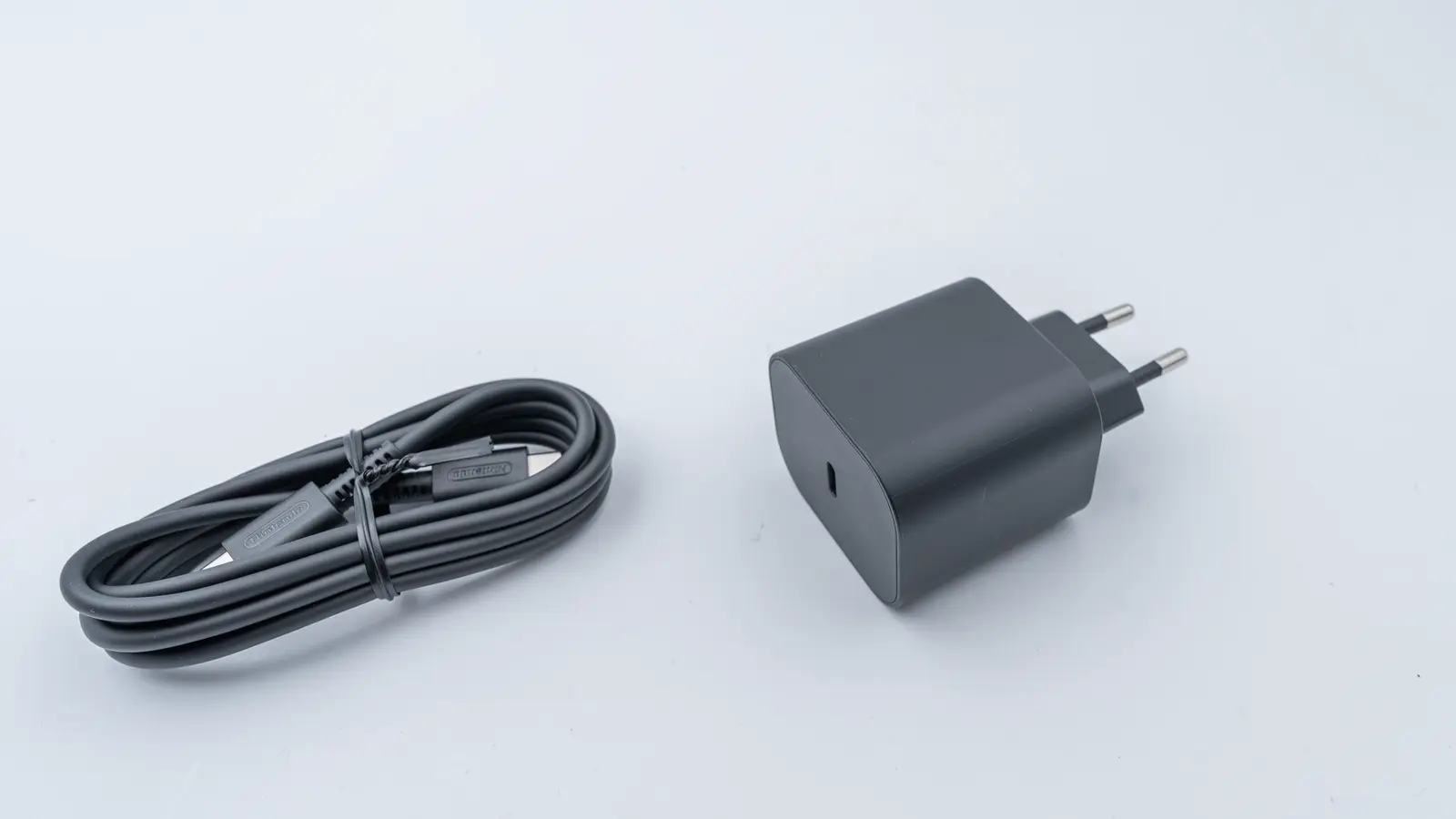
A braided usb c cable is a USB-C cable with a woven textile layer over the normal cable jacket. It is worth buying when you want a tougher-feeling surface, a premium hand feel, colour options and better resistance to surface scuffing; a smooth silicone or TPE cable may be better when wipe-clean softness, low bulk or very flexible packing matters more.
Braided usb c cable basics
The braid is the visible outer covering, not the whole cable. Under it, the cable still needs conductors, insulation, shielding where required, a jacket, plug parts, strain relief and the correct electrical design for the charging or data function you want.
This matters because USB-C is a connector shape, not a promise of performance. USB-IF says users must select a certified cable with the needed capabilities because not all certified cables have the same capability. In its compliance program, USB-C to USB-C cables must show a 60 W or 240 W power mark, and all except High-Speed USB 2.0 USB-C to USB-C cables must also show the supported data rate.
A woven outer layer can improve the product experience, but it does not make a cable charge faster by itself. Charging speed depends on the charger, device, cable rating and power-delivery design. Google notes that Pixel charging speed can change depending on the charger and cable used, and that USB-A to USB-C charging can be slower than using a USB-C power adapter with a USB-C cable.
For brand, importer, distributor and promotional-gift buying, treat braiding as one design choice in a full specification. If you are comparing cable structures for a private-label range, Sunntc’s cable category is a useful starting point for formats and finishes: fast charging USB cables.
What the braid changes and what it does not change
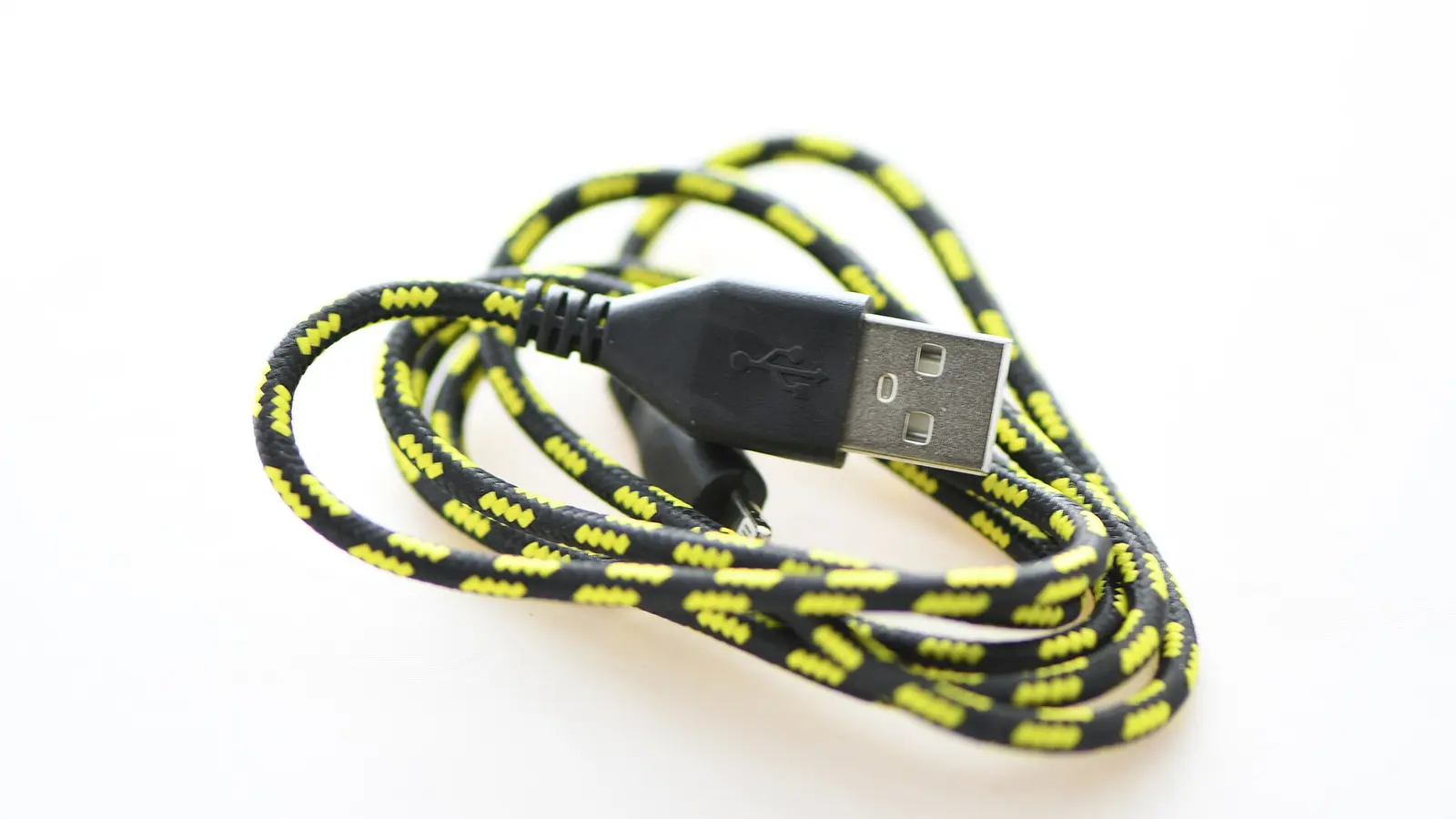
Braiding changes the outside behaviour of the cable first. It can give a dry textile feel, help hide minor scuffs, add colour texture and reduce the plastic look of a plain jacket. It can also make the cable feel stiffer or larger, depending on yarn, weave density and the jacket underneath.
The braid mainly protects the surface. It can reduce direct rubbing on the jacket, but it does not replace internal shielding, conductor sizing, insulation or connector strain relief. If the cable fails at the plug neck, a decorative braid alone has not solved the real weak point.
The USB Type-C Cable and Connector Specification Release 2.0 includes mechanical and electrical requirements for Type-C receptacles, plugs and cables, including signal integrity, shielding effectiveness and DC performance. For Type-C cable flexing, it calls for no physical damage and no discontinuity over 1 ms when the cable is flexed with Dimension X equal to 3.7 times the cable diameter for 100 cycles in each of two planes. It also specifies 40 N cable pull-out and 21 V DC tolerance at rated current for one hour.
Those figures are useful because they separate a nice-looking braid from a tested cable assembly. For a higher-power cable, UL describes added requirements such as connector crush performance, 1000 flex cycles and suitable cable ratings. UL also explains that safety evaluation can include mechanical and electrical tests, overheating checks, abnormal overload and fire protection, and correct electronic-marker operation.
A decorative braid is part of the finished cable safety design: UL states that fancy braiding or faux leather coverings must be included in the cable flame evaluation, with the cable and covering tested together.
A cable can look rugged and still be only a basic charge-and-sync cable. Apple describes a 2 m USB-C to USB-C charge cable with a woven design that supports charging up to 240 W but transfers data at USB 2 rates. Google also lists many Pixel phones as shipping with a 1 m USB-C to USB-C cable identified as USB 2.0. The lesson is simple: woven, braided and USB-C do not automatically mean high-speed data.
Braid materials and finish choices
Most buyers choose a braid by touch, colour and price positioning, but the material choice should also support durability and safety testing. Common commercial descriptions include nylon-braided, polyester-braided, cotton-look and specialty fibre styles. Do not rely on the name alone; ask for the yarn material, colour process and finished-cable test plan.
Polyester is a practical reference point because material makers describe its textile properties clearly. Toray describes TETORON polyester fibre as having strength similar to nylon with superior wear-resistance and wrinkle-recovery properties. Indorama says polyester staple fibre is used in apparel for durability and comfort, and polyester filament yarn is favoured for smoothness and strength in textile products. Those are fibre-property statements, not a USB cable standard, but they explain why polyester is often considered for a smooth, durable-looking woven finish.
Nylon-style braid is often chosen for a firm, technical hand feel, but a buyer should still compare the real sample rather than the label. Cotton-look coverings may suit lifestyle or gift packaging, but they must be checked for dirt pickup, fraying and flame behaviour. Specialty high-strength fibres should be specified only when the use case justifies them, because the plug, overmold and internal design still decide much of the cable life.
Colour is also a specification, not just an artwork note. For retail or promotional programs, define the braid colour, plug shell colour, overmold colour, logo colour and packaging colour as a matched set. If a logo is printed on the connector shell or a tag, check abrasion resistance because the cable will be handled repeatedly.
Ask for samples in the real colour and braid pattern before approving mass packaging artwork. A black braid hides dirt well, while light colours can support a clean brand look but need more careful evaluation for staining and colour consistency.
Use case decisions and the numbers to specify
The safest way to buy is to start from use case, then write the electrical and mechanical specification. A cable for a phone gift box, a laptop bundle, a car connection and a retail high-speed accessory may all use USB-C plugs, but they should not have the same requirements.
| Use case | Specify first | Watch point |
|---|---|---|
| Phone charging | 60 W mark | Charger matters |
| Laptop charging | 100 W or 240 W need | 5 A or E-marker |
| Car connection | Data support | Fit and flex |
| Data transfer | Marked speed | Not just USB-C |
| Video output | Full function | Device support |
| Travel | Length and feel | Bulk in pouch |
| Promotional gift | Rating clarity | Avoid overclaim |
| Retail pack | Markings | User confusion |
For power, understand the label language. USB-IF says USB-C to USB-C cables in its compliance program must be marked 60 W or 240 W. USB Power Delivery Revision 3.1 enables power delivery up to 240 W over a full-featured USB Type-C cable and connector. It added 28 V, 36 V and 48 V fixed voltages for up to 140 W, 180 W and 240 W power levels; earlier USB Power Delivery was limited to 100 W using 20 V and 5 A Type-C cables.
UL adds an important safety view: USB-C cable assemblies are rated only 60 W or 240 W, Extended Power Range cable assemblies require E-markers, and EPR cables need a minimum functional voltage of 53.65 V. An E-marker is an electronic marker in the cable that tells connected equipment what the cable can support. UL also says the 240 W mark is mandatory for certification samples.
For data, specify the supported USB data rate rather than saying high speed. USB-IF says compliant cables, except High-Speed USB 2.0 USB-C to USB-C cables, must be marked with the supported data rate. If your target is USB 2 only, say so. If you need 10 Gbps, 20 Gbps or 40 Gbps class performance, write that requirement and keep length, shielding and connector quality under control.
For USB-A to USB-C cables, do not copy a USB-C to USB-C specification. Ask for the correct USB-C configuration design, including the configuration resistor arrangement, and test it with the chargers and devices your buyers will actually use. The braid has no role in fixing an unsafe or non-compliant electrical design.
OEM and ODM specification checklist
For OEM and ODM buying, write the cable specification in layers. Shenzhen Sunning Tension Industrial Co., Ltd. in Bao'an, Shenzhen makes wireless chargers, USB cables and wireless charging power banks to order for brands, importers, distributors and promotional-gift buyers, with custom logos and packaging. It does not sell its own consumer brand; it builds products for other companies. If you need the difference between using an existing design and developing to your own requirements, see the OEM vs ODM buyer guide.
A clear request should cover the complete cable, not only the braid. Include these points in your brief:
- Connector format: USB-C to USB-C, USB-A to USB-C, or multi-connector design.
- Power rating: 60 W, legacy 100 W need, or 240 W requirement.
- Current requirement: whether the application needs a 5 A cable.
- E-marker: required for Extended Power Range and higher-capability designs.
- Data function: USB 2 only, or a marked higher data-rate cable.
- Video function: required or not required, because not every USB-C cable supports video.
- Cable length: specify the finished length and tolerance.
- Cable diameter: include the target outer diameter because it affects bend feel and packaging.
- Braid material: polyester, nylon-style, cotton-look or another approved yarn.
- Inner jacket: material and colour under the braid.
- Shielding: required level for the target data function.
- Strain relief: length, hardness and bend shape at each plug.
- Connector shell: metal, plastic or overmolded style as approved.
- Logo method: print, laser, molded mark, tag or packaging-only branding.
- Colour matching: braid, shell, overmold, logo and packaging together.
- Packaging: retail box, paper sleeve, pouch or bulk pack requirements.
- Documentation: material declarations, finished-cable test reports and marking evidence.
For quality checks, separate appearance from function. A buyer can approve colour and texture quickly, but power, data and safety need measured tests. Ask for the test plan before you approve the sample, not after a problem appears.
- Visual inspection for braid gaps, snags, stains and colour variation.
- Plug fit and shell finish check.
- Strain-relief bend check at both ends.
- Continuity check before and after flex testing.
- Charging test with the intended power adapter and device class.
- Data transfer test at the specified rate.
- Temperature observation during rated charging.
- Pull-out and flex requirements aligned with the intended standard or safety program.
- Marking review for power icons, data-rate marks and packaging claims.
- Flame evaluation including the decorative braid where applicable.
Common mistakes are predictable. Buyers assume braid improves charging speed, buy a 240 W-looking cable without the right E-marker design, choose a long cable for a high data-rate job without validating performance, or confuse the USB-C plug shape with the USB protocol inside the cable. Avoid these by approving the specification first and the appearance second.
If you are preparing a private-label brief, you can ask for a quotation or sample through the contact page after you have defined the rating, data function, braid material, colour and packaging requirements.
Questions and answers
Does a braided cable last longer than a regular rubber or PVC cable?
It can last longer on the outside if the braid reduces surface rubbing and scuffing, but the whole cable life depends on the inner jacket, conductor design, shielding, plug construction and strain relief. Use bend, pull, continuity and temperature tests to compare samples instead of relying on the word braided.
What does the braid actually protect?
The braid mainly protects the outer surface and changes feel. It can help shield the jacket from abrasion, but it does not replace electrical shielding, insulation, conductor sizing or strain relief at the connector joint.
Can a braided cable still be USB 2.0?
Yes. A woven or braided surface says nothing by itself about data speed. Apple lists a woven 2 m USB-C charge cable that supports charging up to 240 W but transfers data at USB 2 rates, and Google lists many Pixel phones as shipping with a 1 m USB-C to USB-C cable identified as USB 2.0.
How many bend cycles should a buyer ask for?
Use the applicable standard or safety program rather than a marketing number. The USB Type-C specification includes a flexing requirement of 100 cycles in each of two planes under a defined bend setup with no physical damage or discontinuity over 1 ms, while UL describes 1000 flex cycles among added requirements for higher-power cables.
Does a 240 W cable need different markings and safety checks?
Yes. USB-IF says USB-C to USB-C cables in its compliance program must show a 60 W or 240 W power mark. UL states that EPR cable assemblies require E-markers, EPR cables need a minimum functional voltage of 53.65 V, and the 240 W mark is mandatory for certification samples.
Which braid material should a brand choose?
Choose by the finished result and test evidence, not by the fibre name alone. Polyester has documented textile strengths such as smoothness, strength, durability and wear-resistance from material makers, but the finished cable still needs flame, flex, charging, data and appearance checks with the actual braid, jacket and plug construction.
Sources
- USB Implementers Forum / USB 3.0 Promoter Group: USB Type-C Cable and Connector Specification Release 2.0
- USB Implementers Forum: Cables and Connectors
- USB Implementers Forum: USB Charger (USB Power Delivery)
- UL Solutions: 240W USB-C Cable Performance Testing and Safety Considerations
- UL Solutions: Powering Up Safely
- Apple: 240W USB-C Charge Cable (2 m)
- Google: Pixel phone hardware tech specs
- Google: Charge your Pixel phone
- Toray Industries: Toray's History: 1959
- Indorama Ventures: Polyester Staple Fiber Manufacturer and Supplier
Written by the engineering team at Shenzhen Sunning Tension Industrial Co., Ltd., an OEM and ODM factory in Bao’an, Shenzhen making consumer electronics and supplying custom-branded gifts. Ask a question about your own specification →