-second answer
oem vs odm is the choice between asking a manufacturer to make your design and choosing a manufacturer’s design that can be adapted for your brand. In electronics accessories, OEM usually gives you more control and differentiation, while ODM usually reduces early design work and can be faster when the existing design already fits your market.
OEM means Original Equipment Manufacturer. Lenovo’s glossary defines an OEM as a manufacturer whose products are used in another company’s product and may be customized for the seller’s needs. In practical buying language, many electronics buyers use OEM to mean: you bring the design, specifications or engineering direction, and the supplier manufactures to that brief.
ODM means Original Design Manufacturer. Lenovo’s glossary says an ODM is similar to a contract manufacturer, but typically owns the product intellectual property, while a regular contract manufacturer uses the customer’s designs and IP. In buyer terms: the factory’s design is the starting point, and you may add branding, packaging, color, material, or approved feature changes.
The hard part is not the label. The hard part is who owns the design, who controls tooling, who carries compliance responsibility, and what changes trigger fresh engineering or testing.
Meanings in electronics manufacturing
A contract manufacturer makes products under contract. The contract may cover only manufacturing, or it may also include design work, engineering validation, testing support, packaging and logistics preparation. Flex’s design and manufacturing agreement separates Design Services from Manufacturing Services, which is a useful way to think about your project even if your supplier uses different wording.
For a wireless charger, USB cable, or wireless charging power bank, the difference often looks like this:
- OEM: you provide industrial design drawings, electrical requirements, a bill of materials, charging behavior, housing requirements, packaging artwork and market requirements. The supplier quotes development and production around your brief.
- ODM: the supplier proposes an existing design direction. You decide branding, packaging and allowed changes. You may request a different surface finish, color, connector, cable length, magnetic layout, charging coil position, or PCB change, subject to engineering review.
- Private label: you choose a catalog product and add your logo and retail or gift packaging. In many promotional-gift projects, this is the practical starting point even if people casually call it OEM.
- Hybrid: you start from an ODM platform but pay for selected custom work, such as a new top cover, a special bracket, a different LED window, a revised PCB, or a packaging system for a retail channel.
The same words can be used differently by different factories. Before you compare quotations, ask each supplier what they mean by OEM, ODM, private label and customization. A low quotation may cover logo and packaging only, while another may include design engineering, samples, test fixtures, tooling, and compliance support.
For electronics accessories, customization depth usually moves in layers:
- Logo and packaging: lower engineering impact.
- Color, texture or material finish: may affect appearance samples and material approval.
- Housing change: may affect tooling, fit, heat behavior and drop performance.
- PCB or firmware change: may affect charging behavior, safety evaluation and standard-related testing.
- New product architecture: closer to full OEM development.
If you are comparing product families first, browse the product categories for wireless chargers, USB cables and power banks before preparing a development brief.
Ownership, tooling and cost
Design ownership should be written, not assumed. In an ODM project, the manufacturer typically owns the product IP, according to Lenovo’s glossary. That means your logo, packaging artwork and brand materials may be yours, but the underlying product design may not be exclusive to you unless your agreement says otherwise.
In an OEM project, the customer normally brings or commissions more of the design direction. Flex’s agreement says manufacturing specifications can include bills of materials, designs, schematics, assembly drawings, process documents and test specifications. It also says new design developments are assigned to the customer after payment, subject to the supplier’s background property and third-party IP. The useful lesson is that assignment, payment timing and exceptions must be stated clearly.
Tooling is another grey zone. Flex defines NRE charges as labor plus product-specific tooling, equipment or software and other non-recurring setup or tooling expenses. NRE means non-recurring engineering: one-time work or setup needed before normal production. Paying an NRE charge does not automatically answer every ownership question. Your contract should say what you get.
Ask these points before you approve tooling or product-specific setup:
- Who legally owns the new industrial design?
- Who owns new mechanical drawings, PCB files and firmware made for the project?
- Is the design exclusive to your brand, your market, or your order only?
- Who owns product-specific molds, fixtures, test software or artwork files after payment?
- Can the supplier use the same design for another buyer?
- Can you transfer tooling or design files to another supplier?
- Who maintains or replaces tools if they wear out or need changes?
- What happens if the project is cancelled after samples?
Cost also follows the ownership path. OEM generally has more upfront cost because the product needs more definition, engineering, sampling and validation before production. ODM generally has lower upfront work when the supplier’s existing design already matches your target market and feature set. A hybrid project sits between the two.
Lead time should also be broken down. Flex defines lead time as materials procurement lead time plus manufacturing cycle time. That definition helps you ask better questions: is time being spent waiting for components, changing tooling, revising firmware, printing packaging, testing, or building units? A single headline lead time is less useful than a breakdown by sample stage and production stage.
Flex’s design engineering page says design-for-manufacturing and related work can identify manufacturing risks before full-scale production, reduce non-recurring costs, reduce time to market, and validate tooling and molds early. It also says early design work can reduce solderability, placement and assembly issues. For a charger or cable buyer, that means design checks are not paperwork; they reduce the risk of a product that looks right but is hard to assemble consistently.
Decision path for accessories buyers
Choose the route that matches your brand goal, not the label a supplier prefers. If your main need is a promotional gift for an event, a catalog wireless charger with logo and packaging may be enough. If your brand promise depends on a distinctive form, magnetic feel, charging layout, or retail shelf presentation, paying for deeper customization may be justified.
| Route | Use when | Watch point |
|---|---|---|
| Private label | Fast brand gift | Limited uniqueness |
| ODM | Existing design fits | IP may stay supplier-owned |
| Hybrid | Some changes needed | Define exclusivity |
| OEM | Unique product goal | Higher early work |
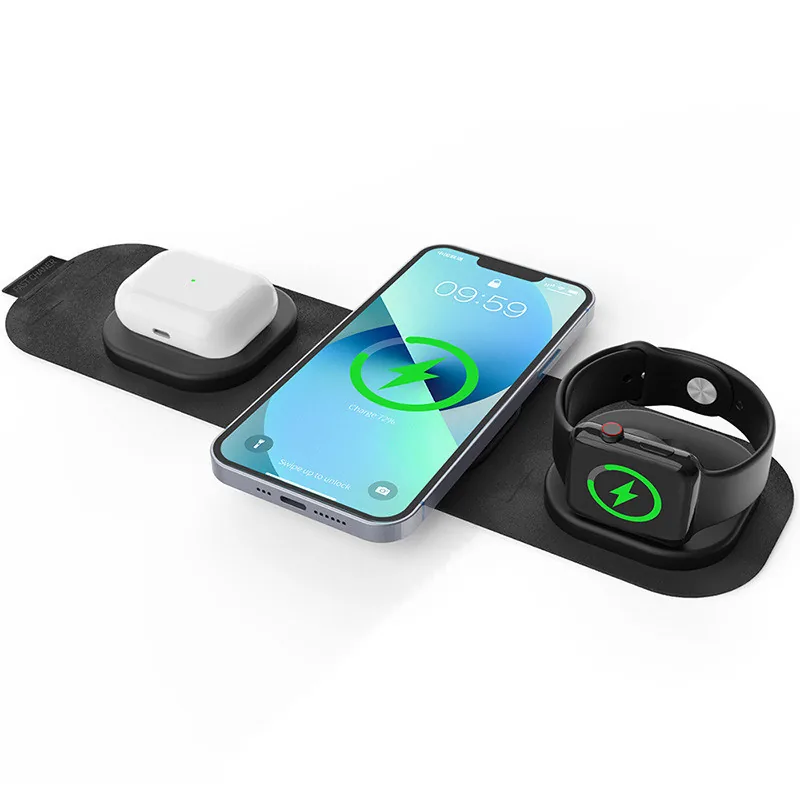
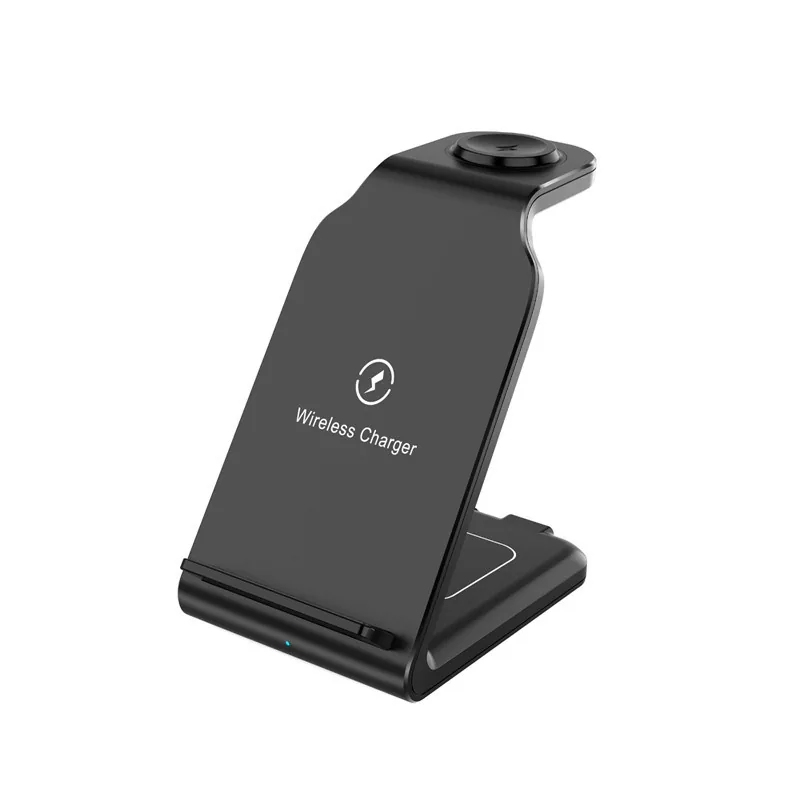
A private-label path fits buyers who need a known product type with reliable branding execution: for example, a wireless charging mouse pad with a company logo, a desk charging stand in custom packaging, or a USB cable set for a promotion. The key risks are brand fit, packaging quality, and whether the same product is widely available to competitors.
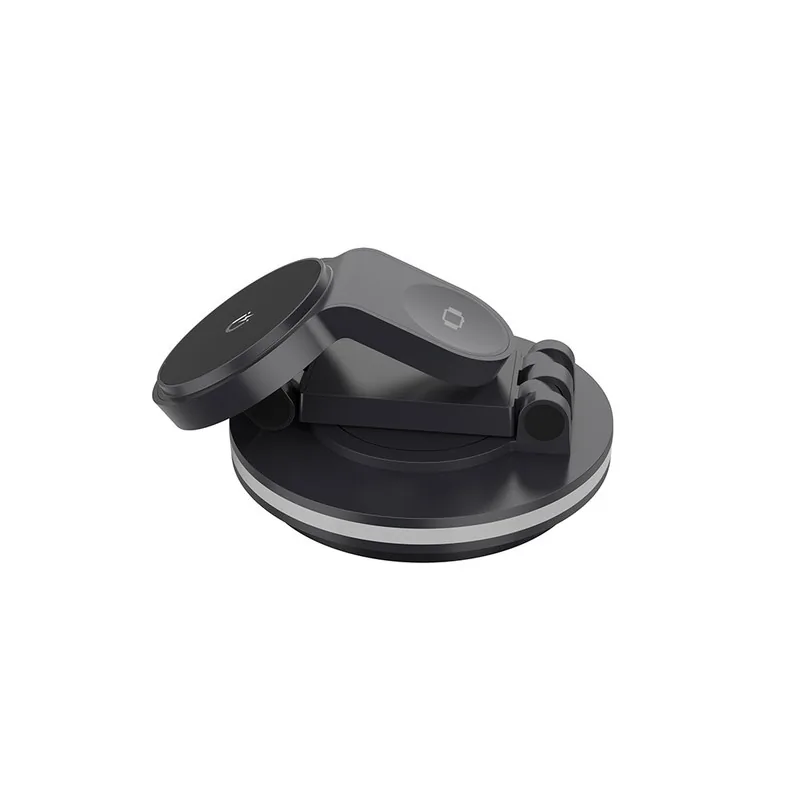
An ODM path fits a brand or distributor that wants speed but still needs product selection, cosmetic customization and market preparation. For example, you may select a foldable charging station, request your logo, adjust colors, prepare retail packaging, and ask for documents needed by your market. If you need exclusivity, say so before sampling, because ODM designs may be offered to more than one buyer unless the agreement restricts this.
A hybrid path fits many real electronics-accessory projects. You might keep the charging platform but ask for a new top shell, different LED position, revised packaging, or a special cable bundle. This can protect the look of your product while avoiding a full clean-sheet development project.
An OEM path fits you when the product must be hard to copy visually or functionally, or when your internal team already has a design brief, user requirements, industrial design, electrical specification, or compliance plan. It is also the better route when the product is part of a larger brand system and must match your own design language.
A simple decision rule:
- Choose private label if branding and packaging matter more than uniqueness.
- Choose ODM if speed and proven product direction matter more than owning the design.
- Choose hybrid if you need a recognizable difference without developing everything from zero.
- Choose OEM if design control, exclusivity and long-term product ownership are central.
Sunntc manufactures wireless chargers, USB cables and wireless charging power banks to order for brands, importers, distributors and promotional-gift buyers; the available cooperation routes are outlined on the OEM and ODM page.
Compliance and quote checklist
Compliance responsibility does not disappear because a factory makes the goods. In the EU, Your Europe says a manufacturer is a person or legal entity that makes a product, or has a product designed or made, and places it on the market under its own name or trademark. It lists manufacturer obligations including identifying applicable requirements, checking CE marking, carrying out conformity assessment, preparing technical documentation, issuing the EU declaration of conformity, keeping documentation for 10 years where required, and ensuring mass-produced products remain compliant.
Your Europe also says conformity assessment is performed during both design and production. Even if design or production is subcontracted, the manufacturer remains responsible for ensuring the conformity assessment is carried out. This is especially important for branded electronics accessories, because your logo on the product or packaging can make you the responsible economic actor in your market.
If the product carries your brand, treat compliance files, test reports, labels and declarations as part of the product, not as after-sales paperwork.
Wireless charging and USB branding also need care. The Wireless Power Consortium says only Qi Certified products can legally use the Qi logo. It advises buyers to ask for the Qi Certificate of Registration and verify that the certificate URL shows the same product visually, with the same brand name, product name and type number. It also says Qi certification is not a safety endorsement and manufacturers remain responsible for applicable product safety regulations.
USB-IF says certified USB logos are trademark-protected and may be used only with products that pass USB-IF compliance testing and are currently on the Integrators List. If you plan to use USB logos on a cable, charger packaging or retail listing, confirm logo rights before artwork approval.
Certification-sensitive changes can include:
- PCB layout changes.
- Coil, magnet or shielding changes in a wireless charger.
- Cable connector or conductor changes.
- Battery, protection circuit or enclosure changes in a power bank.
- Firmware changes affecting charging behavior.
- Housing or thermal design changes.
- Label, model number or brand-name changes where certificates must match.
Before you ask for a quotation or sample, send a short but complete brief. You can copy this checklist:
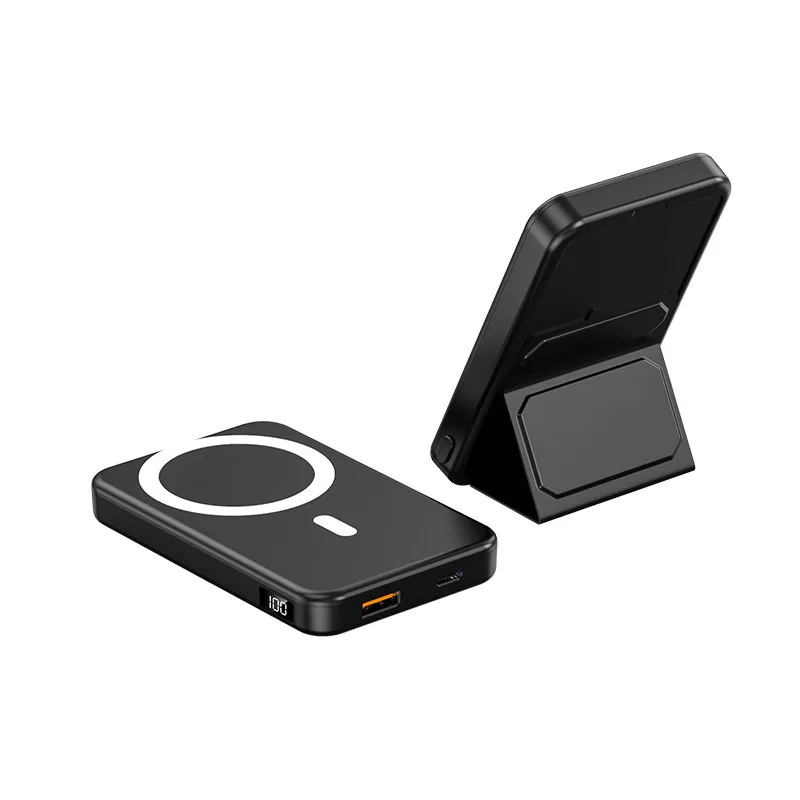
- Product type: wireless charger, USB cable, power bank, charging station, mouse pad charger, car mount or another accessory.
- Target market: country or region where the product will be sold or given away.
- Brand use: logo position, logo file, color limits and whether the logo is printed, engraved, embossed or on packaging only.
- Packaging: retail box, gift box, sleeve, manual, barcode, warning labels and language needs.
- Electrical requirements: connector type, input, output, charging behavior and compatible device category.
- Standard or logo expectations: Qi, Qi2, USB logo, CE marking or other market needs, where applicable.
- Mechanical requirements: material, color, finish, size limits, folding parts, magnets, cable length or mounting method.
- Customization level: logo only, color change, housing change, PCB change, firmware change or new design.
- Sample plan: visual sample, engineering sample and pre-production approval sample if needed.
- Inspection expectations: appearance, function, packaging, labeling, charging performance and carton checks.
- Ownership terms: design files, tooling, exclusivity, transfer rights and cancellation terms.
- Commercial questions: quotation structure, sample cost, order quantity, payment terms and lead-time breakdown.
For a project already defined enough to discuss with a supplier, you can ask for a quotation or sample through the contact page.
Questions and answers
What does OEM mean in electronics manufacturing?
OEM means Original Equipment Manufacturer. In electronics buying, it usually means the manufacturer builds to the customer’s design, specifications or engineering brief. Lenovo’s glossary defines an OEM as a manufacturer whose products are used in another company’s product and may be customized for the seller’s needs.
What does ODM mean, and how is it different from OEM?
ODM means Original Design Manufacturer. The key difference is design ownership: Lenovo’s glossary says an ODM typically owns the product IP, while a regular contract manufacturer uses the customer’s designs and IP. For a buyer, ODM often starts from the supplier’s design, then adds your brand, packaging and agreed changes.
If I use an ODM design, do I own the product design?
Not automatically. You may own your logo, packaging artwork and brand materials, but the underlying product design may remain with the ODM unless your contract gives you ownership or exclusivity. Put design rights, market exclusivity and reuse limits in writing before paying for samples or tooling.
Who owns molds, fixtures and tooling after I pay for them?
Payment alone is not enough detail. Flex defines NRE as including labor plus product-specific tooling, equipment or software and other non-recurring setup or tooling expenses, but ownership and transfer rights still need contract wording. Ask who owns the tooling, who may use it, whether it can be transferred, and what happens if the project ends.
Why is ODM often faster to launch than full custom OEM?
ODM can be faster when the base product direction already exists and your changes are mainly branding, packaging or controlled customization. Full OEM normally needs more design definition, engineering review, samples and validation. Advantech describes service models including customization, design and production, and says its design-in services help customers achieve 50% faster time to market.
If the factory makes the product, who is responsible for compliance?
For the EU, Your Europe says the manufacturer includes a person or legal entity that has a product designed or made and places it on the market under its own name or trademark. It also says conformity assessment is required during design and production, and subcontracting design or production does not remove the manufacturer’s responsibility.
Sources
- Lenovo: 41A0636 Packaging Security Label Requirements
- Advantech: COM Design-in Services 3.0
- Flex: Corporate Design and Manufacturing Services Agreement (DMSA)
- Flex: User-Centered Design and Engineering Services
- European Commission / Your Europe: General product compliance - ensure your product complies with EU rules
- European Commission / Your Europe: Conformity assessment - ensure your products comply with EU rules
- Wireless Power Consortium: Qi Certified Products
- USB Implementers Forum (USB-IF): USB-IF Logo License
Written by the engineering team at Shenzhen Sunning Tension Industrial Co., Ltd, an OEM and ODM factory in Bao’an, Shenzhen making consumer electronics and supplying custom-branded gifts. Ask a question about your own specification →