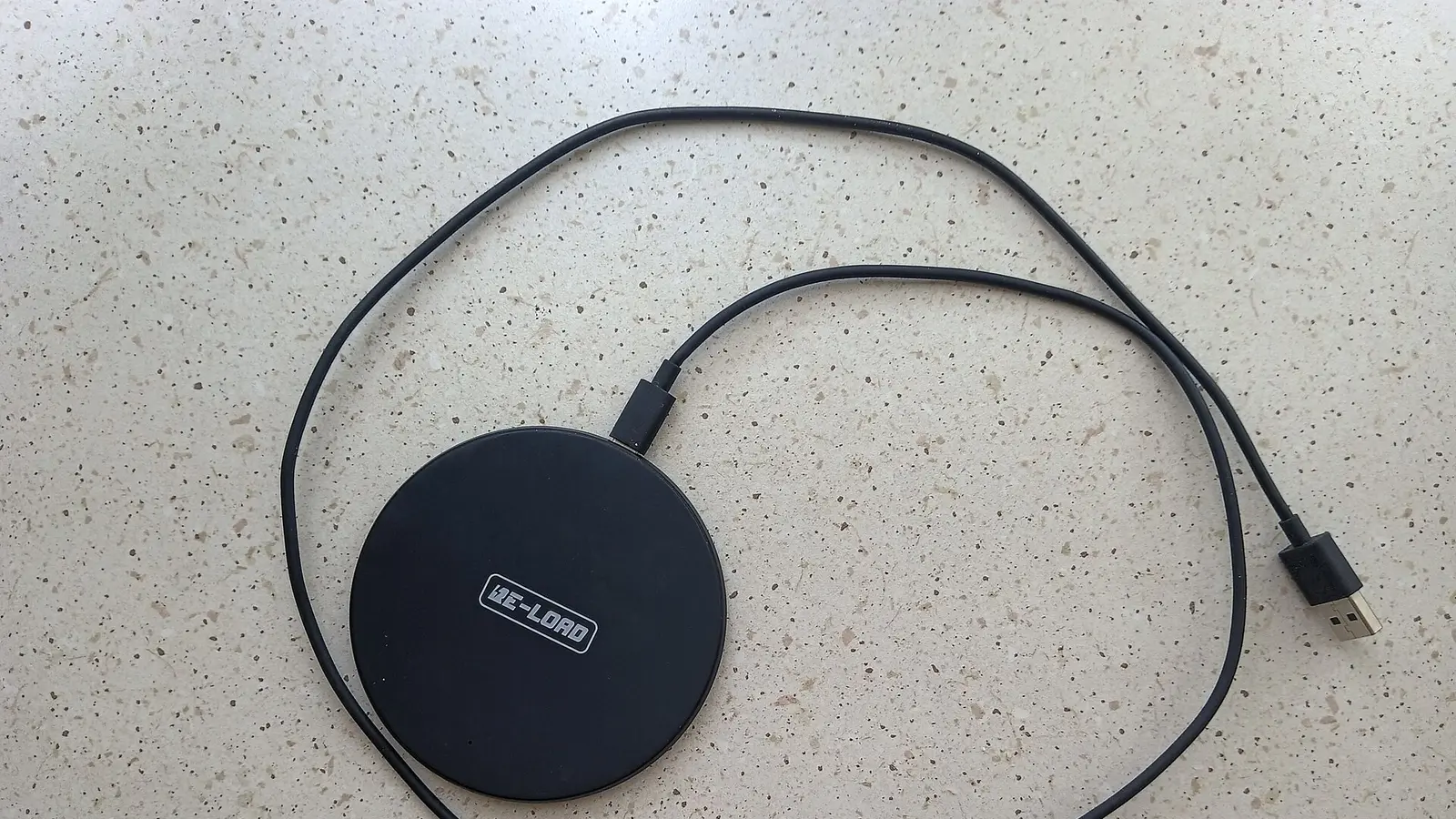
FCC certification is one way to authorize a wireless charger for the U.S. market, but it is not the only way. Consumer wireless charging equipment must be authorized before use or marketing, and the route may be Certification with an FCC ID or Supplier’s Declaration of Conformity, depending on the product and the rule that applies.
FCC certification decision tree
Start with the product function, not the product name. FCC rules cover radio-frequency devices, and the marketing rule treats marketing broadly: selling, offering for sale, advertising, importing, shipping, or distributing radio-frequency devices for sale or lease all count as marketing.
Use this plain-English path when you are buying wireless chargers, USB cables, wall chargers, or wireless charging power banks for the United States:
- If the product is a consumer wireless charger, treat it as consumer ISM equipment. ISM means industrial, scientific, and medical equipment that uses radio-frequency energy for a purpose other than radio communication. FCC Part 18 says consumer ISM equipment must be authorized before use or marketing by either Supplier’s Declaration of Conformity, often called SDoC, or Certification, unless another rule says otherwise.
- If the product is certified, expect an FCC ID on the product label or an allowed electronic label. Certification is an equipment authorization approved by the FCC or issued by a Telecommunication Certification Body, known as a TCB, based on the applicant’s representations and test data.
- If the product uses SDoC, there is no FCC ID for that authorization route. SDoC is a procedure where the responsible party makes measurements or completes accepted procedures to ensure compliance.
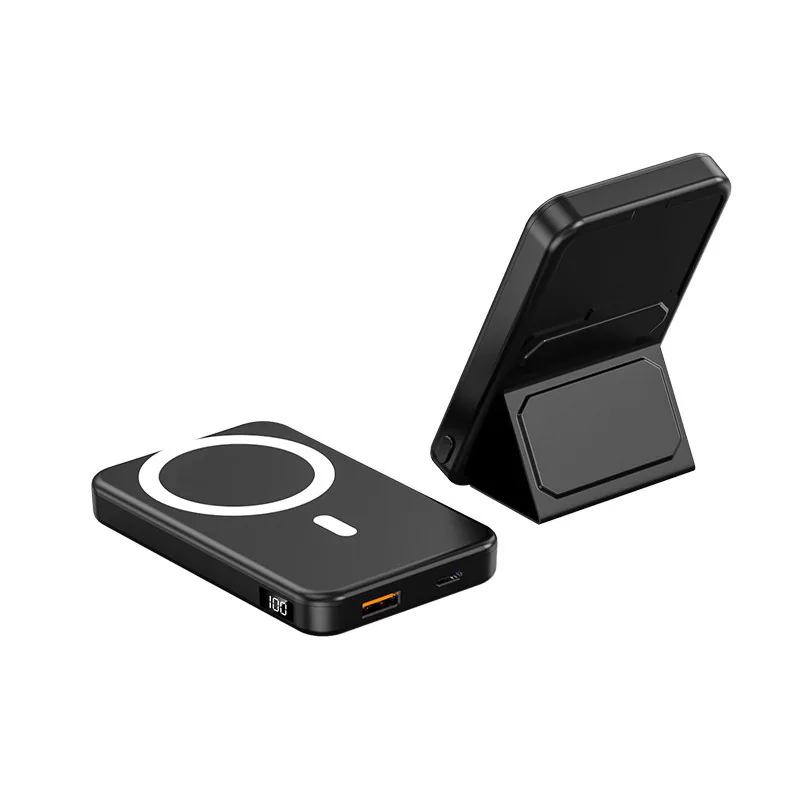
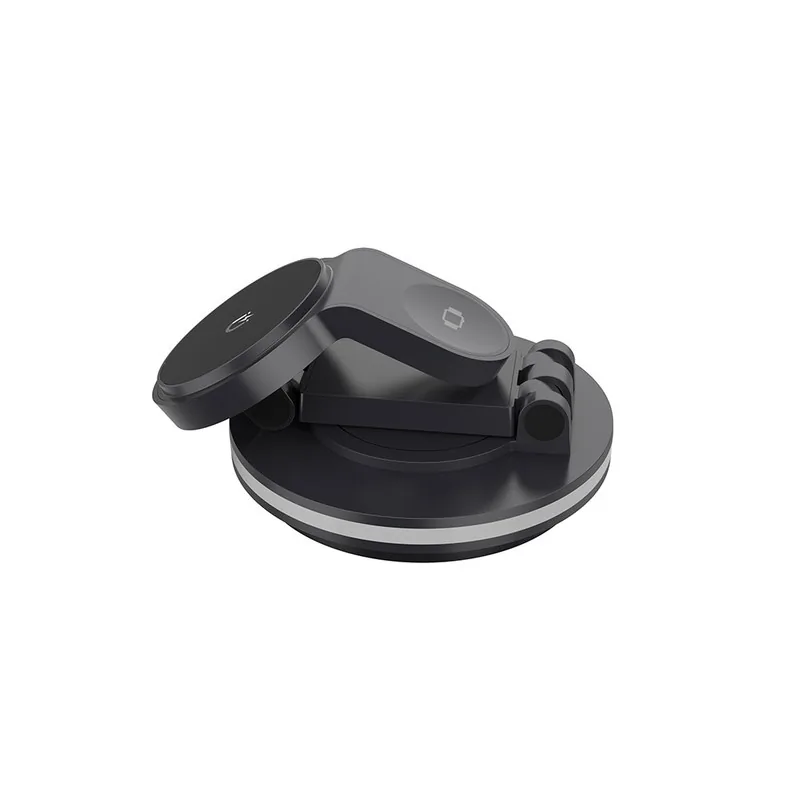
- If the product combines wireless charging with another radio or electronic function, assess each function. A wireless charging power bank, for example, has a charging transmitter function and a power-bank function. A car mount may combine wireless charging with sensing or motorized features. The authorization file should match the actual product you import.
- If the item is a simple USB cable with no active electronics, do not assume the same path as a wireless charger. If it includes electronics capable of causing radio-frequency emissions, ask for the compliance basis before ordering.
- If a wall charger is bundled with a wireless charger, do not let the wireless charger’s file stand in for every item in the box. Each radio-frequency device in the set should have a clear compliance basis.
| Product type | Likely check | Buyer action |
|---|---|---|
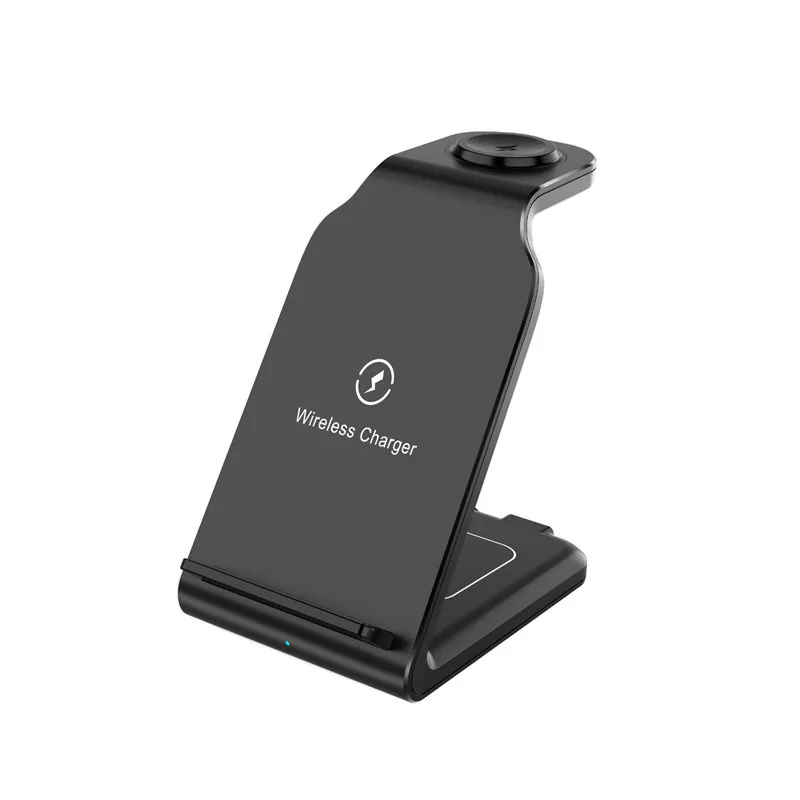
| Wireless charger | Part 18 authorization | Ask SDoC or FCC ID |
| Wireless power bank | Combined functions | Match full model |
| USB cable | Active electronics? | Confirm compliance basis |
| Wall charger bundle | Separate device | Check its own file |
Do not import first and solve FCC paperwork later. Import rules require the importer, ultimate consignee, or customs broker to determine that the device meets an allowed entry condition before import.
For private-label projects, review the physical product early, not only the logo artwork. If you are comparing charger formats, the product category pages for wireless chargers, USB cables, and wireless charging power banks can help you separate product families before you ask for compliance files.
What an FCC ID means
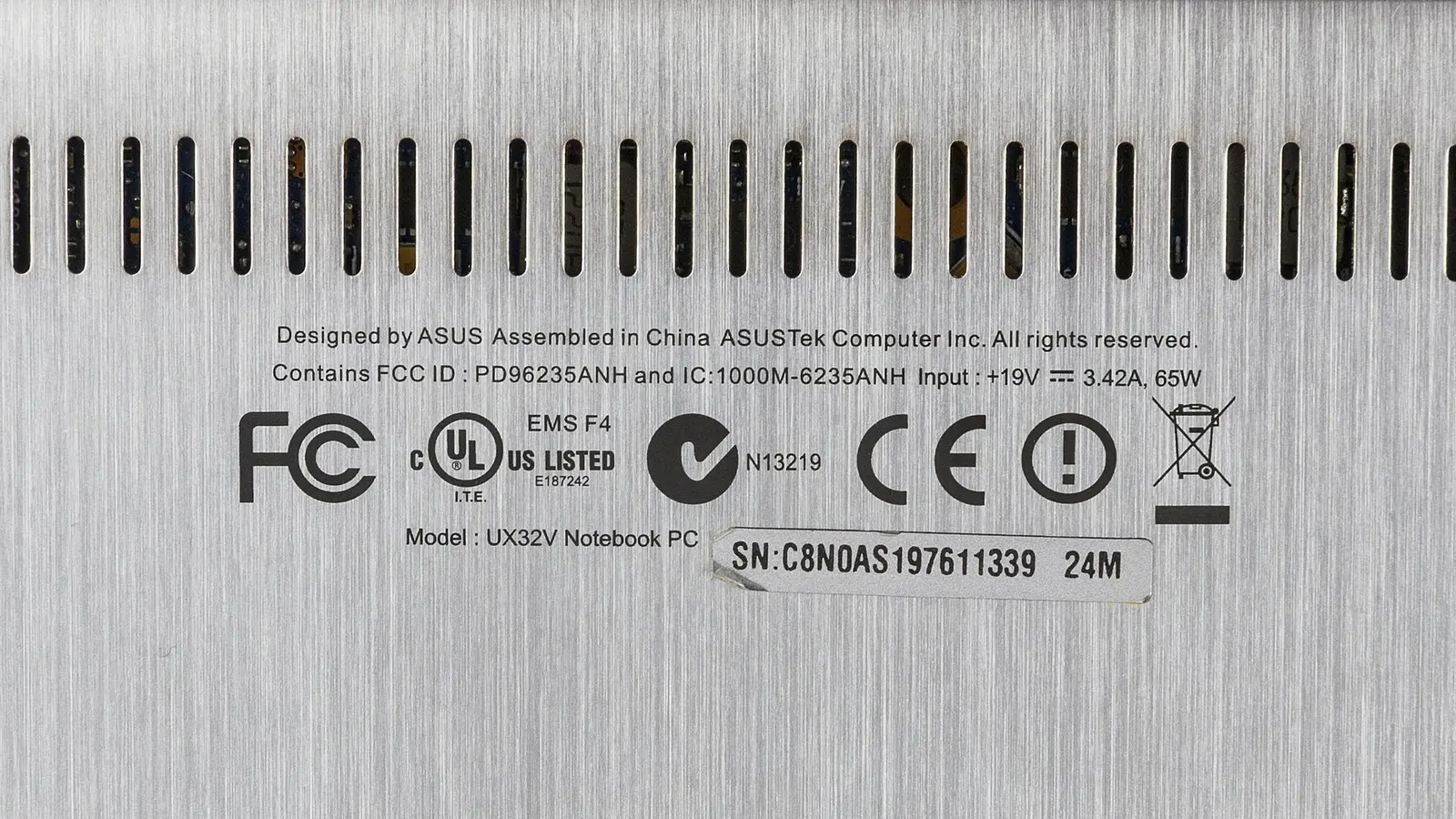
An FCC ID is not a logo and not a test report. It is the identifier shown on equipment covered by an application for FCC equipment authorization. FCC labeling rules say the label must show the term FCC ID in capital letters on a single line, in the order specified by the FCC identifier rule, and it must be legible without magnification. Electronic labeling may be allowed under FCC rules.
The identifier has two parts. The FCC assigns a grantee code to the applicant or grantee, and the grantee assigns the equipment product code. A certification grant lists the validated FCC Identifier made from those two parts. The grantee code is permanent for that applicant or grantee.
That distinction matters in sourcing:
- A product with an FCC ID should have a grant behind it.
- A test report alone is not the same as a certification grant.
- A printed FCC-style mark is not the same as an FCC ID.
- SDoC-authorized equipment may be compliant without having an FCC ID, because SDoC and Certification are different authorization routes.
- Certified equipment is tied to units identical to the tested sample, subject to permitted changes under FCC equipment authorization procedures.
For an OEM or ODM order, the question is not “does the sample have letters on the label?” The question is whether the authorization route, label, manual, packaging, and shipped product all describe the same product configuration.
FCC ID lookup checks before purchase
FCC rules say grants are published on the FCC website, and the official copy of the grant is maintained on the FCC website. Before you place an order, look up the FCC ID shown on the sample, draft label, or compliance file and compare it with the product you plan to import.
Practical checks:
- Search the FCC website using the FCC ID exactly as shown on the product or label artwork.
- Confirm the grant exists before relying on the ID.
- Check that the grantee code and product code on the grant match the ID on the product.
- Compare the equipment description and available exhibits with the product family you are buying.
- Check whether the manual, label position, and product identity in your files are consistent.
- If your model number, enclosure, cable, coil, PCB, or packaging differs from the tested configuration, ask whether the change is permitted under the existing authorization or needs updated testing or a new authorization.
Some exhibits may be confidential, and some may not give you every engineering detail. That is why you should ask the supplier for a document set, not just a screenshot. For a private-label wireless charger, useful files include the grant if certified, test reports, label artwork, user manual wording, product photos, model list, and a statement explaining whether the U.S. route is Certification or SDoC.
If the product uses SDoC rather than Certification, there is no FCC ID to look up for that route. In that case, focus on the SDoC file, test evidence, responsible-party information, product identity, and importer records.
Qi or Qi2 does not replace U.S. authorization
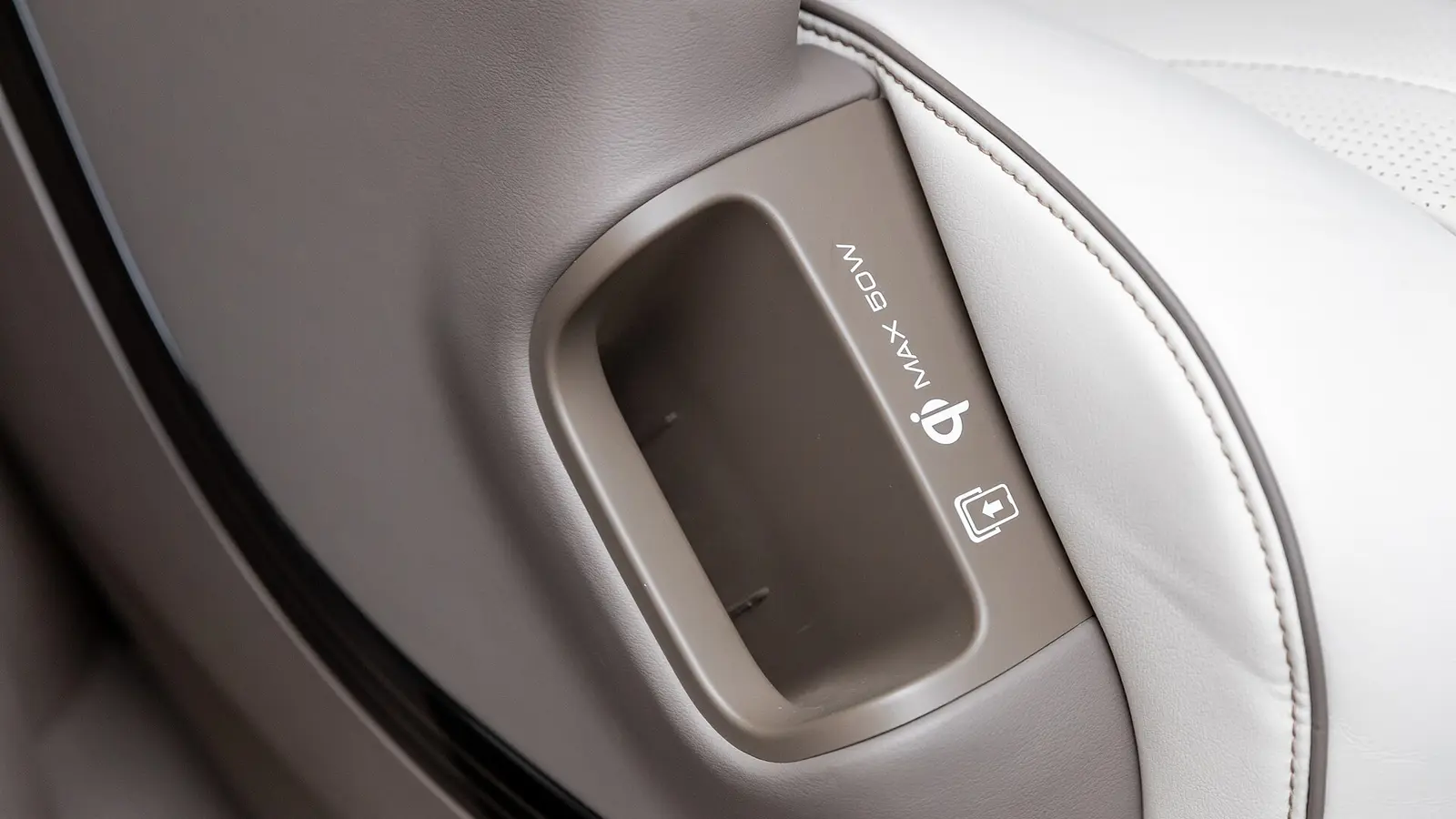
Qi and Qi2 are wireless charging standards from the Wireless Power Consortium. WPC says Qi Certified products undergo testing for safety and interoperability in independent authorized labs before they may use the Qi or Qi2 logo. WPC also says Qi v2.0 launched in 2023 and Qi v2.2.1 is branded as Qi2 25W and launched in July 2025.
That is valuable for compatibility and brand claims, but it is separate from FCC equipment authorization. A charger may need FCC authorization for the U.S. even if it follows a wireless charging standard. The FCC question is about radio-frequency device compliance and marketing in the United States; the Qi or Qi2 question is about the wireless charging standard and use of that logo.
Keep the files separate in your buying checklist:
- For U.S. market access, ask for the FCC authorization route and supporting file.
- For wireless charging logo claims, ask for the relevant Qi or Qi2 documentation.
- For private-label packaging, make sure logo claims do not appear unless the product is allowed to use them.
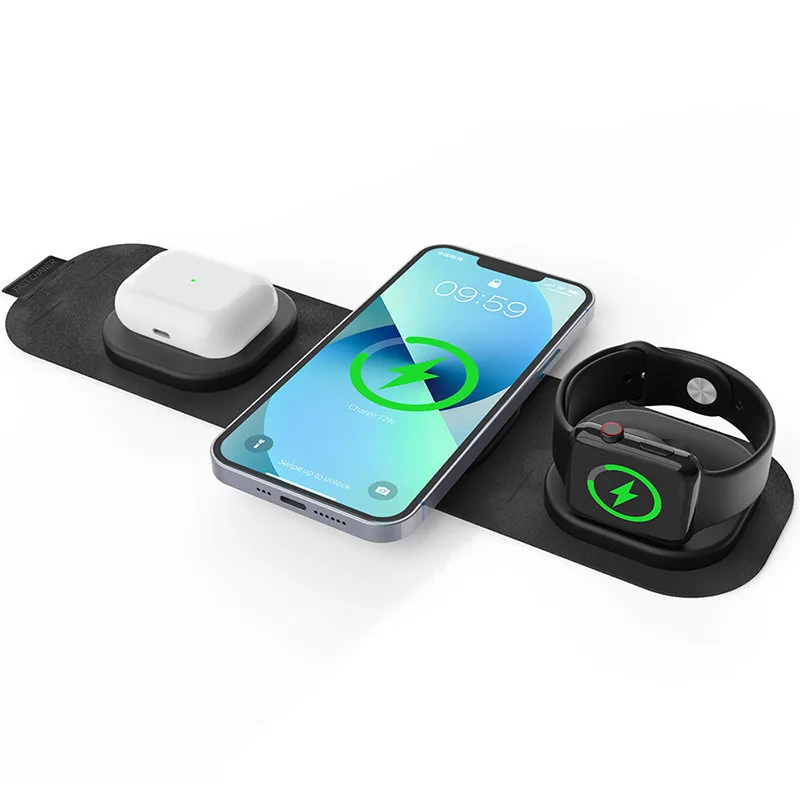
- For multi-device chargers, check every charging area and accessory included in the set.
Avoid mixing terms in purchase orders. “Qi charger with FCC” is not precise enough. A cleaner specification says whether the product must have Certification with FCC ID or SDoC, whether it must support Qi or Qi2, and what exact model and packaging will be shipped.
What the U.S. importer must hold
FCC import rules say no radio-frequency device may be imported into U.S. Customs territory unless the importer, ultimate consignee, or customs broker determines that the device meets one of the entry conditions in the import rule. The normal entry condition is a valid FCC equipment authorization, with limited exceptions such as testing, trade shows, export-only goods, repair, and personal-use quantities.
The rule also says the importer, ultimate consignee, or customs broker must be able, on request within one year of entry, to provide documentation showing how the imported radio-frequency device was determined to comply.
For a commercial private-label order, build a file before shipment:
- Product name, model number, and final configuration.
- Photos or drawings showing the final enclosure and label location.
- FCC ID grant if the product is certified.
- SDoC documentation if the product uses SDoC.
- Test report or accepted measurement evidence linked to the final model.
- User manual and packaging files used for the U.S. shipment.
- Explanation of any differences between the tested sample and the private-label version.
- Import records showing which compliance file applies to which shipment.
If you use the factory’s FCC ID, do not treat it as a shortcut by itself. The key point is whether the imported units are the certified equipment covered by that grant, including permitted changes. A custom logo or packaging change may be low risk from a radio-frequency point of view, but it still needs the correct label and documentation. Hardware changes are different: coil design, PCB layout, cable, shielding, magnetic structure, or enclosure changes can affect compliance and should be reviewed before production.
For OEM and ODM planning, align the compliance file with the design stage. A buyer can map which parts are custom and which remain unchanged through OEM/ODM planning, then keep the FCC route tied to the final build.
Planning the test and approval path
A smooth project usually starts with the final electrical design, final enclosure, intended cable, draft label, and draft manual. FCC Certification, when used, requires an application through a TCB. FCC application rules require applicants to provide required exhibits and test data, certify that statements are true, certify covered-list status, and designate a U.S.-located agent for service of process. A U.S. applicant may designate itself.
Plan the work in practical stages:
- Freeze the product configuration before formal testing.
- Prepare representative samples, final cables, power accessories, and the intended operating modes.
- Run a pre-scan if the design is new or materially changed.
- Correct emissions or documentation issues before formal submission.
- Complete lab testing against the applicable route.
- If Certification is used, submit through a TCB and wait for the grant before marketing as certified equipment.
- Keep the final label, manual, and packaging aligned with the authorization route.
Common delay causes are often ordinary sourcing changes: a different cable, a revised PCB, a coil change, a new enclosure material, a changed magnet layout, or a late manual revision. For certified equipment, remember that the authorization is tied to units identical to the tested sample, subject to permitted changes. If the product changes after approval, ask whether the file must be updated before shipment.
Cost planning should separate government fees from testing and review work. The FCC fee schedule lists equipment-approval fee items, including grantee-code assignment and confidentiality-request items, while lab testing, engineering fixes, and TCB review are separate commercial services. Treat any single “FCC cost” quote as incomplete unless it states what is included.
Questions and answers
Do all wireless chargers need FCC certification?
Consumer wireless charging equipment must be authorized before use or marketing in the U.S., but FCC Part 18 allows either SDoC or Certification unless another rule specifies otherwise. Certification produces an FCC ID; SDoC does not.
If my charger already has Qi or Qi2, do I still need FCC authorization?
Yes, for the U.S. you still need the correct FCC authorization route. Qi and Qi2 relate to wireless charging standard testing and logo use; FCC authorization relates to radio-frequency device compliance and U.S. marketing or import.
Can I use the factory’s FCC ID for a private-label charger?
Possibly, but only if the units you import are covered by that certification, including permitted changes. Match the grant, label, manual, product configuration, and private-label changes before relying on the ID.
Where do I look up an FCC ID?
Look it up on the FCC website, where grants are published and the official copy of the grant is maintained. Check that the ID on the product matches the grant and that the product description aligns with what you plan to import.
What should a U.S. importer keep before Customs entry?
Keep records showing how the device was determined to comply, including the FCC ID grant or SDoC file, test evidence, final label, manual, packaging, model identification, and shipment link. Import rules require documentation to be available on request within one year of entry.
Does a new logo require new FCC testing?
A logo change alone may not change radio-frequency performance, but it can affect labeling and documentation. Hardware changes such as coil, PCB, cable, enclosure, or magnetic layout changes need review because certified equipment is tied to the tested sample, subject to permitted changes.
Sources
- Electronic Code of Federal Regulations: 47 CFR § 2.803 — Marketing of radio frequency devices prior to equipment authorization
- Electronic Code of Federal Regulations: 47 CFR § 18.203 — Equipment authorization
- Electronic Code of Federal Regulations: 47 CFR Part 2 Subpart J — Equipment Authorization Procedures
- Electronic Code of Federal Regulations: 47 CFR § 2.911 — Application requirements
- Electronic Code of Federal Regulations: 47 CFR § 2.925 — Identification of equipment
- Electronic Code of Federal Regulations: 47 CFR § 2.926 — FCC identifier
- Electronic Code of Federal Regulations: 47 CFR § 2.915 — Grant of application
- Electronic Code of Federal Regulations: 47 CFR Part 2 Subpart K — Importation of Devices Capable of Causing Harmful Interference
- Electronic Code of Federal Regulations: 47 CFR § 1.1103 — Schedule of charges for equipment approval, experimental radio services
- Wireless Power Consortium: Qi Wireless charging
Written by the engineering team at Shenzhen Sunning Tension Industrial Co., Ltd, an OEM and ODM factory in Bao’an, Shenzhen making consumer electronics and supplying custom-branded gifts. Ask a question about your own specification →