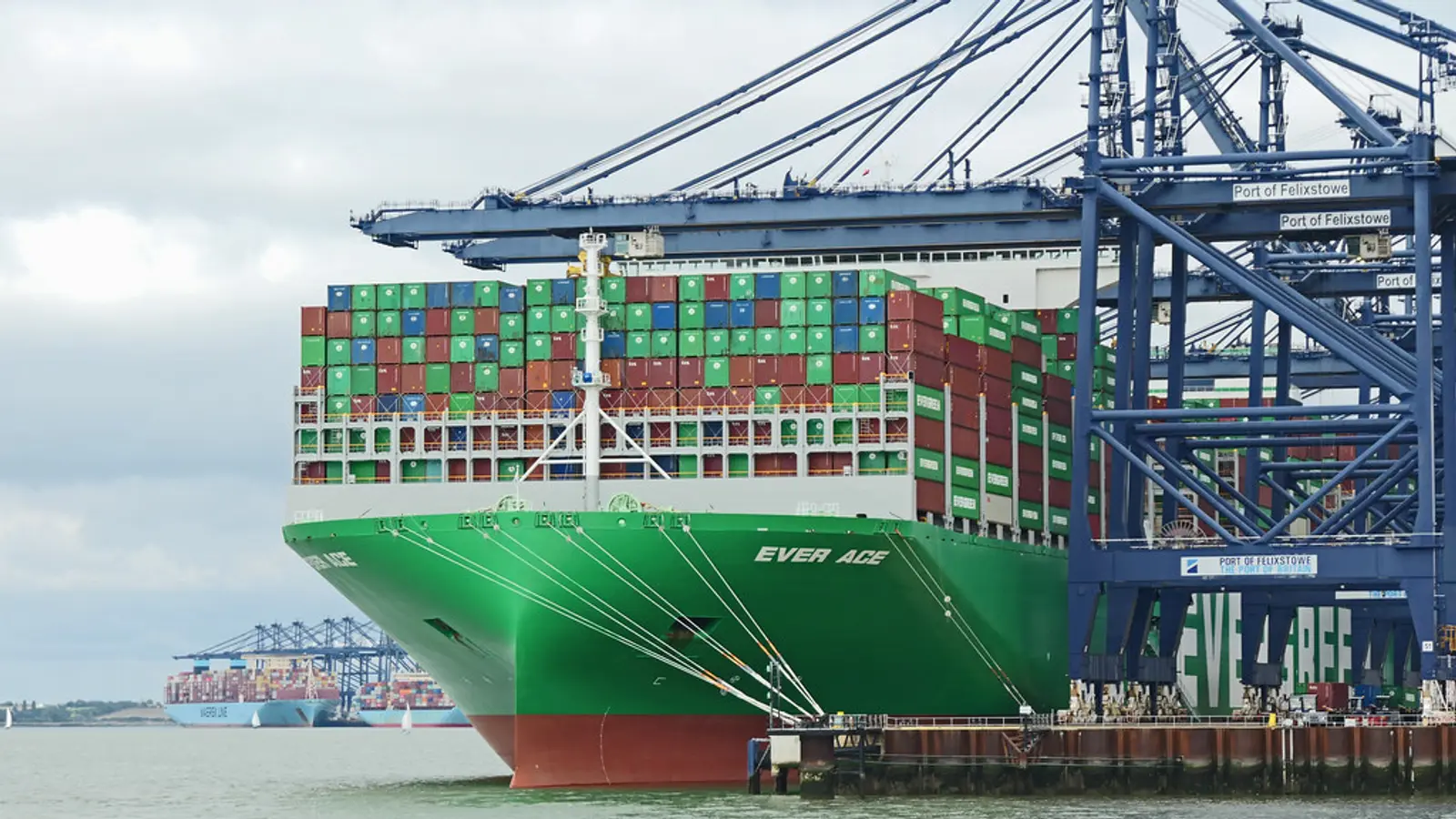
To learn how to import from China, separate the job into four parts: sourcing, production, freight and customs clearance. Start with the product specification, get a written quotation, approve a sample, check compliance documents, book freight, then clear the goods. For Australia, an Import Declaration is required for consignments over AUD1,000, as read on 20 November 2026.
Import roadmap by role
The customs broker row is the one many new buyers miss: the factory makes the goods, but the importer remains responsible for import clearance decisions.
| Role | Does | Does not do |
|---|---|---|
| Buyer | Spec, budget, approvals | Guess duty |
| China factory | Sample, produce, pack | Clear your import |
| Forwarder | Freight, booking, handover | Classify alone |
| Customs broker | Entry, duty, release | Fix bad specs |
A small business can import phone accessories or electronics, but it should not treat a supplier quote as a landed cost. The quote normally covers a defined trade point; the landed cost is what the goods cost after freight, insurance, duty, taxes, broker charges and warehouse receiving.
Sunntc states in its FAQ that every price published by Sunntc is ex-works Shenzhen, covering the goods, not freight, duty or insurance, and that Sunntc accepts bank transfer, T/T, only, on every model. That means the buyer needs a forwarder or broker quote before deciding whether the product still works at the selling price.
For any China order paid by T/T, protect the balance payment with sample approval, written specifications, carton marks, inspection rights and a clear document list before production starts.
Step-by-step import process for a small business
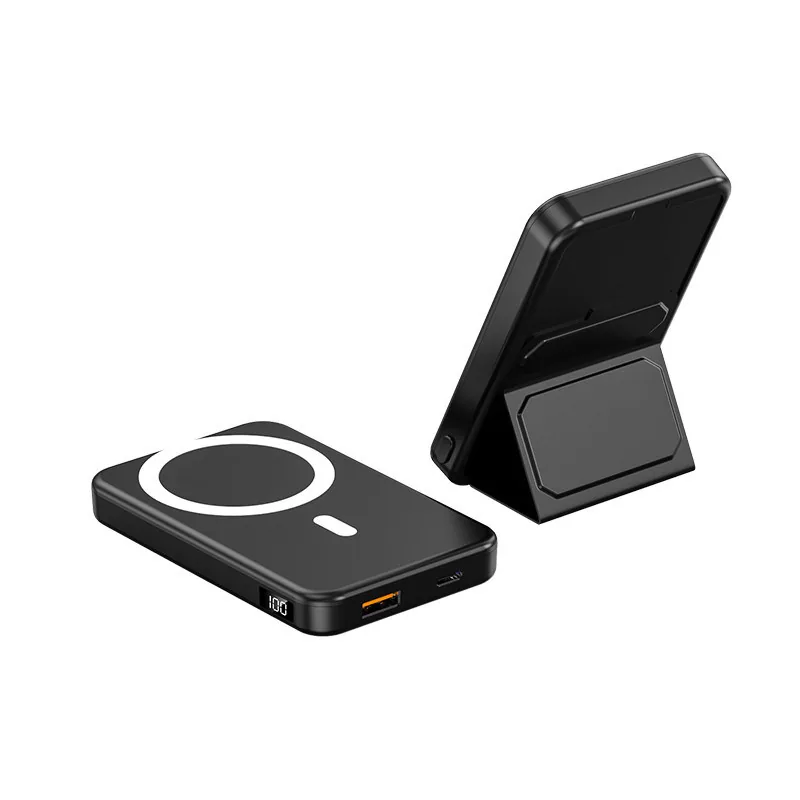
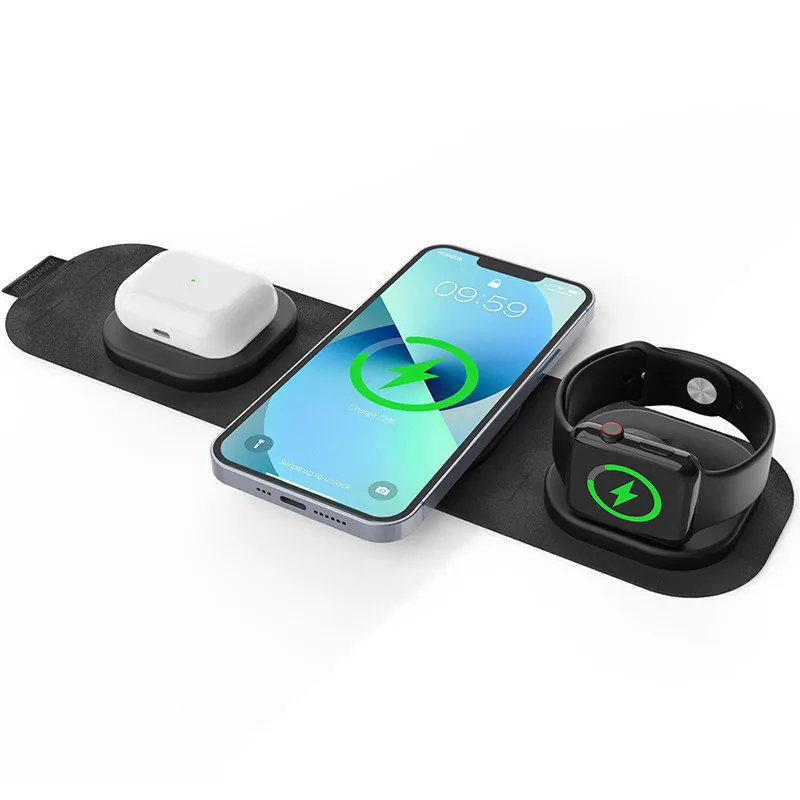
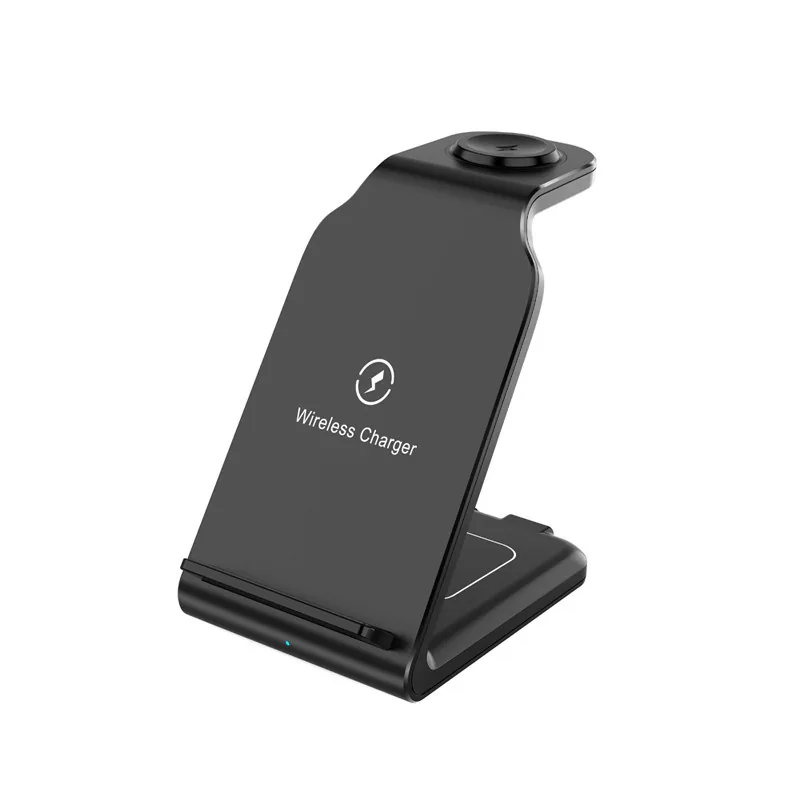
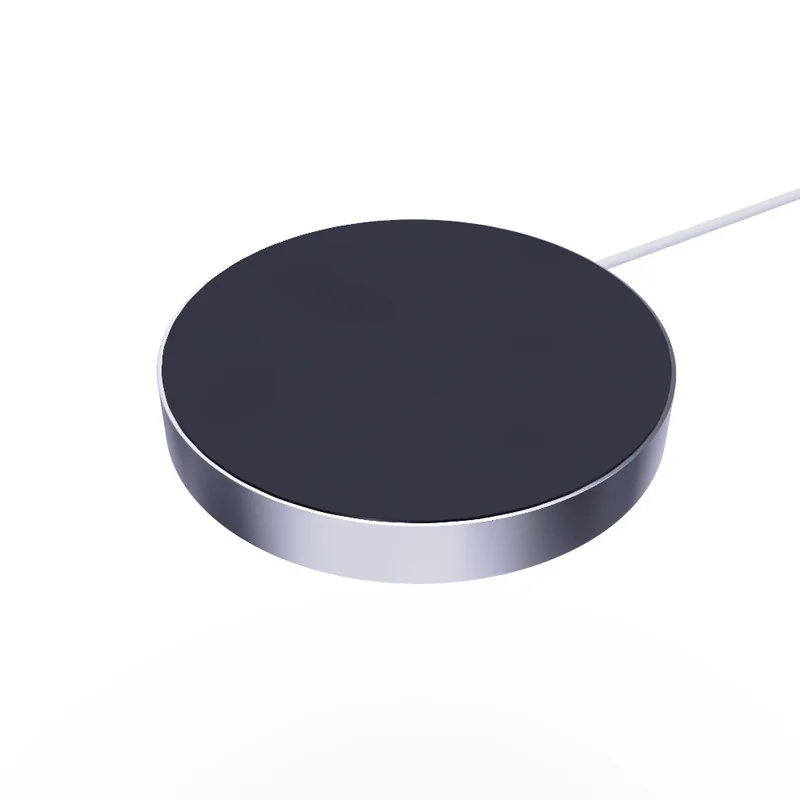
Begin with the market, not the product. A wireless charger, USB cable and wireless charging power bank may look simple, but each can trigger different product testing, labelling, transport and customs questions in the destination country.
- Define the product: model type, charging output, connector type, cable length, colour, materials, logo, packaging, carton label and destination country.
- Decide whether the order is OEM, meaning made to your specification, or ODM, meaning the supplier designs and engineers more of the product for your brand.
- Send an RFQ, meaning request for quotation, with quantity, target landed cost, required documents, shipping country and the payment term.
- Ask for the proforma invoice, commercial invoice draft, packing details, certificates or test reports, and any lithium battery transport documents before paying.
- Approve a physical sample or printed sample, then freeze the specification in writing.
- Agree inspection points before production: incoming materials, first article, in-process checks and finished-goods inspection.
- Book freight with a forwarder, then ask the customs broker to confirm the commodity code or tariff classification before shipment.
- Pay the balance only after inspection, document review and packing-list confirmation.
- Keep import records after clearance, because customs authorities can ask for evidence later.
Sunntc quotes on its OEM and ODM page that production is 5 to 30 working days depending on the model and the quantity, and most models in the catalogue quote 5 to 15. Build your delivery plan around approval time as well as production time, because a slow sample approval can move the shipment more than the factory schedule.
Sunntc quotes shell tooling at PVC from USD 160, metal from USD 500 and ABS from USD 1,600, with minimums of PVC 500, metal 3,000 and ABS 5,000 on the same page. If a standard tooled model meets the brief, it is usually safer to import a small first order before paying for a private shell.
RFQ template for electronic accessories
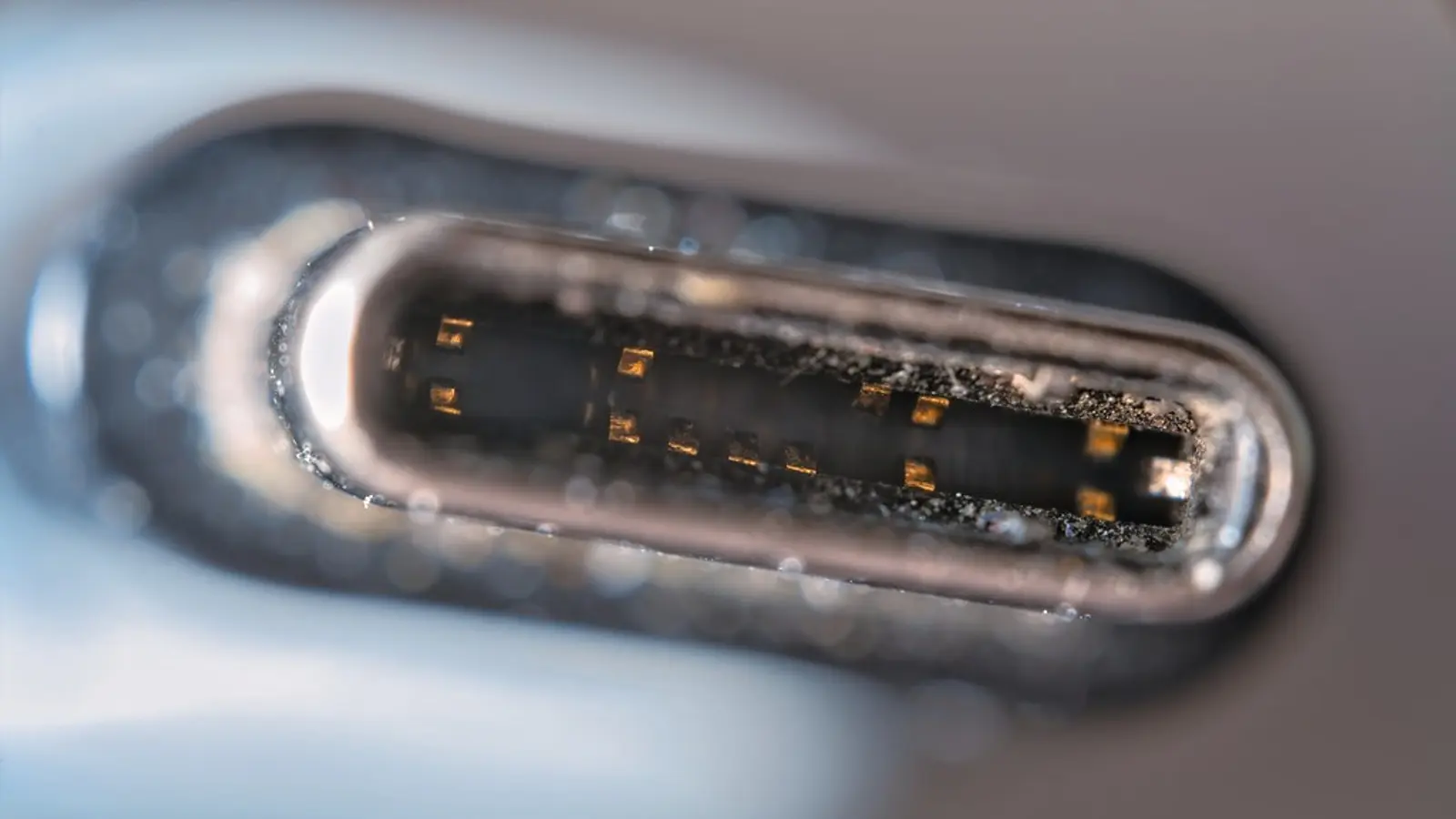
A clear RFQ reduces the risk of receiving the wrong quote. For custom wireless chargers, USB cables or wireless charging power banks, send a structured request rather than a short message asking for price.
- Product: wireless charger, USB cable or wireless charging power bank.
- Model or reference: supplier model number, photo link, sketch or sample.
- Electrical specification: rated input, output, connector, cable length and charging modes.
- Wireless charging standard: Qi or Qi2 only if the model actually carries that certification.
- Battery details: cell capacity and transport documents for power-bank models.
- Logo: size, colour, position and vector artwork.
- Packaging: retail box, insert, barcode, manual language and carton label.
- Compliance market: United States, United Kingdom, Canada, Australia, European Union or another destination.
- Required files: declaration, lab report, registration number, safety data sheet or test summary where relevant.
- Sample: plain sample, printed sample, approval deadline and who pays sample freight.
- Quantity: trial order, repeat order and expected annual demand.
- Inspection: what must be checked before the balance payment.
- Shipping: port, airport, courier address or forwarder warehouse.
- Payment: deposit split, balance trigger and bank details verification.
Sunntc states on the same OEM and ODM page that logo customisation on an already tooled model has no tooling cost, artwork setup is free, and the minimum order is from a few dozen pieces. For a first import, this can let a buyer test customs, demand and defect rates before committing to new mould tooling.
Landed-cost worksheet before paying T/T
The landed cost is the real cost of getting saleable goods into your warehouse. It is not the factory unit price. Build the worksheet before the deposit, then update it when the broker confirms classification and the forwarder confirms freight.
- Unit price from the proforma invoice.
- Tooling or setup, including logo, mould, packaging and barcode costs.
- Sample cost and sample freight.
- Testing, certification or document renewal cost.
- Third-party inspection fee.
- China inland freight, if not included.
- International freight by courier, air, sea or rail where available.
- Insurance, if used.
- Duty, additional tariff and import tax.
- Customs broker or declaration fee.
- Port, terminal, courier disbursement or import processing charges.
- Warehouse receiving, relabelling or rework.
- Defect allowance and after-sales replacement stock.
For the United States, U.S. Customs and Border Protection says the importer of record can be the owner, purchaser or licensed customs broker, and must file entry documents at the port of entry, as read on 20 November 2026. It also says goods are not legally entered until they arrive, CBP authorizes delivery and estimated duties are paid.
For Great Britain, GOV.UK / HM Revenue & Customs says a business needs a GB EORI number, should find the commodity code, work out the goods value, decide who will make customs declarations and keep records such as commercial invoices and customs paperwork, as read on 20 November 2026.
For Canada, Canada Border Services Agency says importers can use the Duties and Taxes Calculator in the CARM Client Portal to estimate duties and taxes and identify the tariff classification number, as read on 20 November 2026. It also says the actual exchange rate depends on the shipment date.
For Australia, Australian Border Force says all goods imported into Australia are liable for duties and taxes unless an exemption or concession applies, and most goods valued at AUD1,000 or less have no duties, taxes or charges, as read on 20 November 2026. It says consignments over AUD1,000 require payment of relevant duties, taxes and charges including an import processing charge.
Electronics compliance and inspection checks
Do not rely on a certificate just because it looks official. Match every document to the exact model, PCB version, charger output, cable, plug, battery cell, packaging and market. A certificate for a different configuration can be worse than having no document, because it creates false confidence.
Sunntc states on its quality page that CE support can include the signed EU Declaration of Conformity, the directives and standards claimed, and the lab report behind it. For EU shipments, match that file to the model being bought, then have the importer or representative check whether the declaration covers the product as sold.
Sunntc states on the same quality page that FCC support can include the grant and the FCC ID, and that Qi or Qi2 support can include the certificate and registration number for models that carry one. Treat Qi and Qi2 as Wireless Power Consortium certifications, not as generic marketing words.
Sunntc states on the same quality page that UN38.3 and MSDS are transport documents required for anything containing a lithium cell, which means the power-bank models. For a deeper document checklist for wireless power banks, use the UN38.3 guide before booking freight: UN38.3 for Power Bank Shipping Documents.
A practical inspection plan for electronics accessories should include these checks before the balance payment:
- Confirm the model number, colour, logo and packaging against the approved sample.
- Check electrical performance and charging behaviour on the finished unit.
- Check appearance, scratches, print alignment, connector fit and cable strain relief.
- Check carton quantity, carton marks, barcode and country-specific labels.
- Photograph the master cartons, inner boxes, product labels and packed pallets.
- Ask the forwarder to confirm whether any lithium-cell goods are booked correctly.
Sunntc states on its quality page that a third-party inspection body or the buyer's own agent is welcome at the finished-goods stage. Use that right for a first production order, especially when the balance is due before shipment.
Country checkpoints before shipment
The United States needs careful tariff checking for China-origin goods. Office of the United States Trade Representative groups the China Section 301 tariff actions under the technology transfer, intellectual property and innovation investigation, as read on 20 November 2026. U.S. International Trade Commission says its China tariff reference list was last updated January 1, 2026, lists HTS 8-digit subheadings covered by additional China Section 301 duties, and warns users to consult the HTS and Federal Register notices for the official list.
The United Kingdom requires the importer to prepare data for a full declaration. GOV.UK / HM Revenue & Customs says a full import declaration needs information such as departure point and destination, consignee and consignor, goods type, amount and packaging, transport methods and costs, currencies, valuation methods, certificates and licences, as read on 20 November 2026. HMRC says duty must be paid before the goods can be released.
The European Union requires importer setup as well as product compliance. European Commission Access2Markets says an EU importer normally needs to be established in the EU and registered for VAT, must apply for an EORI number, and imported goods must meet the same EU health, safety, environmental and technical requirements as EU-made goods, as read on 20 November 2026. It also says goods can be in temporary storage under customs supervision for no longer than 90 days before clearance.
For EU customs clearance, European Commission Taxation and Customs Union says an EORI number is mandatory for customs clearance for imports, exports and transit in the EU customs territory, as read on 20 November 2026. It also says customs declarations are official documents normally made online by the owner or a representative.
For Australia, Australian Border Force says GST on taxable importations is 10% of the value of the taxable importation, paid at clearance unless the importer is approved for GST deferral, as read on 20 November 2026. It says that value includes customs value, transport and insurance to Australia where not already included, any customs duty and any wine tax.
India, Pakistan, Ghana, Kenya, Nigeria and South Africa each have their own customs, tax and product-compliance rules. Do not copy a United States, United Kingdom, Canada, Australia or EU checklist into those markets; ask a local customs broker and product-compliance adviser before paying the deposit.
If your shipment to Australia is over AUD1,000, do not book it without an Import Declaration plan and a customs broker review.
This is general information, not legal advice: confirm the rule for your own shipment with a customs broker or the authority itself.
Questions and answers
Can a small business import electronics from China?
Yes, but the business should first confirm whether it can act as importer in its market, get any required importer number, and use a broker where it lacks experience. For the United States, CBP says the importer of record can be the owner, purchaser or licensed customs broker.
Which commodity code should be used for USB cables or wireless chargers?
Do not guess from another seller's invoice. Give the broker the product specification, materials, function, photos and sample if needed. Canada Border Services Agency says importers can use CARM to estimate duties and taxes and identify the tariff classification number, but the importer should still confirm classification.
What documents should be requested before paying by T/T?
Ask for a proforma invoice, model specification, sample invoice, commercial invoice draft, packing details, certificate or test-report list, product photos, carton marks and lithium transport files where a battery is included. For power-bank models, Sunntc states that UN38.3 and MSDS are transport documents for the freight forwarder.
Should a buyer use EXW, FOB, CIF, DAP or DDP?
Use the term only after the forwarder explains which costs are included and which remain outside the quote. If a supplier price is ex-works, budget China collection, export handling, international freight, insurance, destination charges, duty, tax, broker fees and warehouse receiving before comparing suppliers.
Do CE, FCC, RoHS, Qi or Qi2 documents remove customs risk?
No. They help answer product-compliance questions, but customs classification, valuation, duty, taxes and release are separate. Check that each document matches the exact model and market. Qi and Qi2 should be treated as Wireless Power Consortium certifications only for models that actually carry them.
How is importing to the EU different from importing to the United States?
The EU importer normally needs EU establishment, VAT registration and an EORI number, while the United States process is centred on the importer of record, entry documents, estimated duties and any applicable China tariff actions. In both cases, use a broker before shipment rather than after goods arrive.
Sources
- U.S. Customs and Border Protection: Importing into the United States
- Office of the United States Trade Representative: China Section 301-Tariff Actions and Exclusion Process
- U.S. International Trade Commission: China Tariffs
- GOV.UK / HM Revenue & Customs: Import goods into the UK: step by step
- GOV.UK / HM Revenue & Customs: Making a full import declaration
- Canada Border Services Agency: Select the duties and taxes that apply
- Australian Border Force: Import declarations
- Australian Border Force: GST and other taxes when importing
- European Commission Access2Markets: Guide for import of goods
- European Commission Taxation and Customs Union: Customs operations
Published by Shenzhen Sunning Tension Industrial Co., Ltd., an OEM and ODM factory in Bao’an, Shenzhen making consumer electronics and supplying custom-branded gifts. Ask a question about your own specification →
How this guide was made: researched and drafted with AI from the official sources listed above and from Sunntc’s own published terms; every figure in it was checked against its source on .