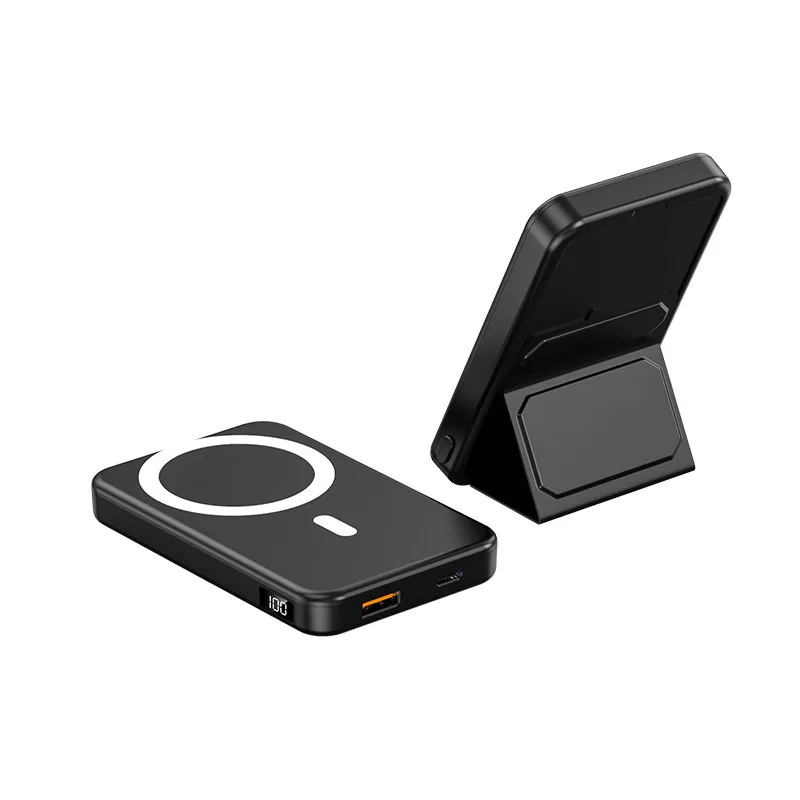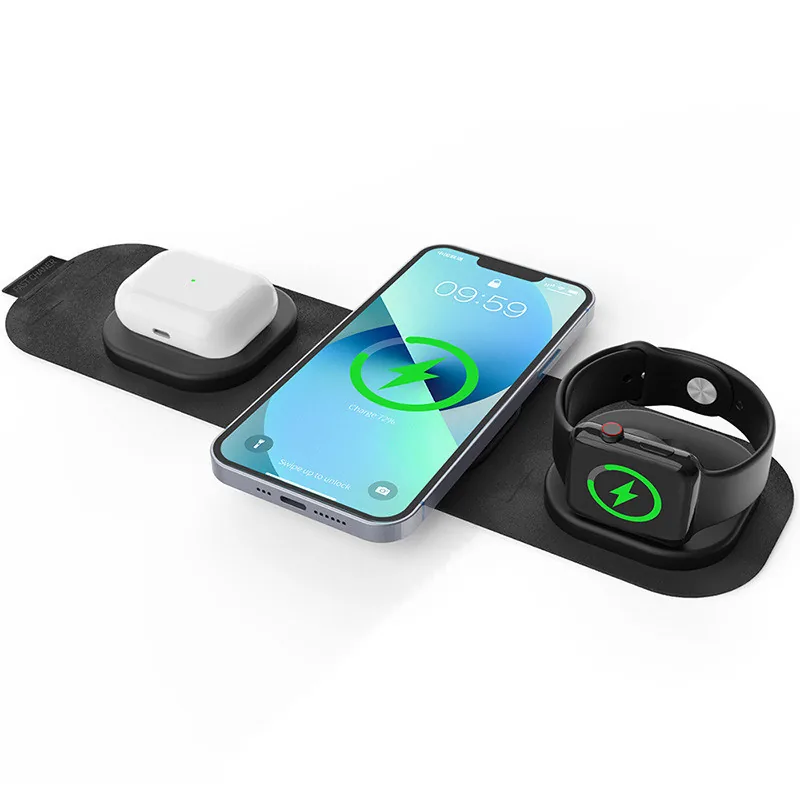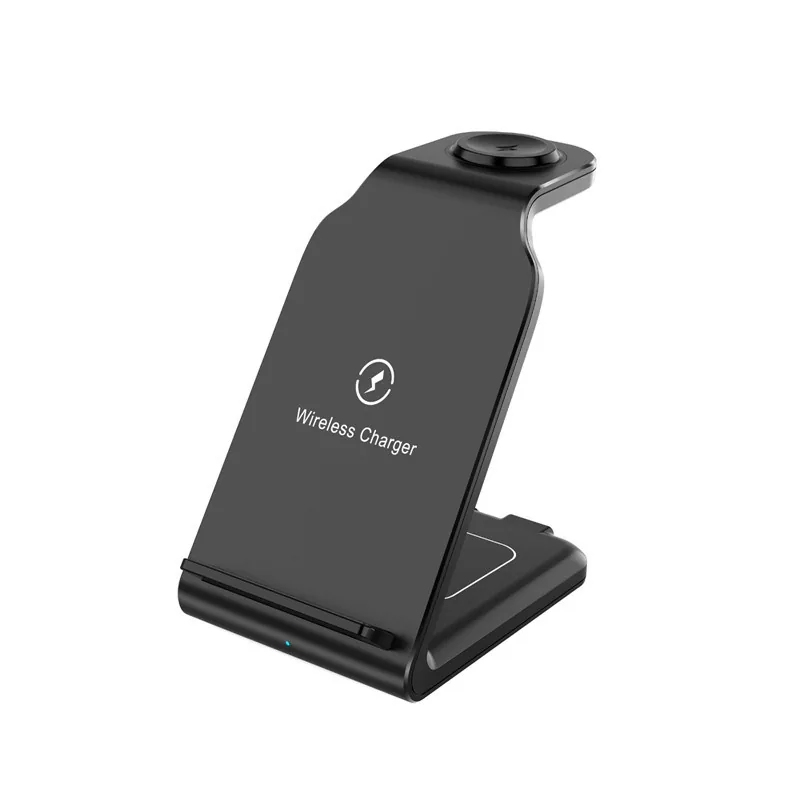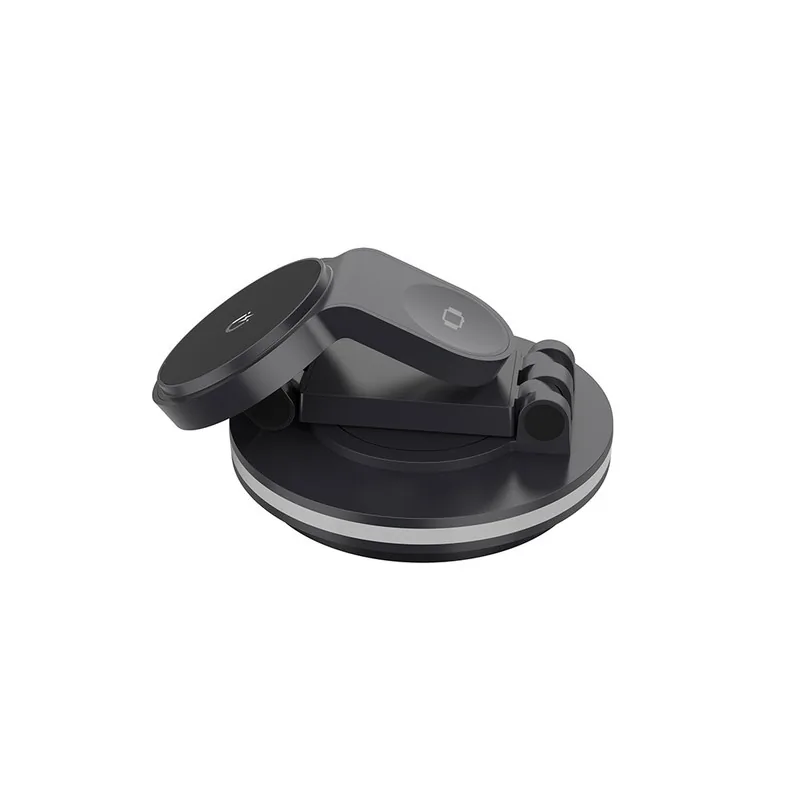
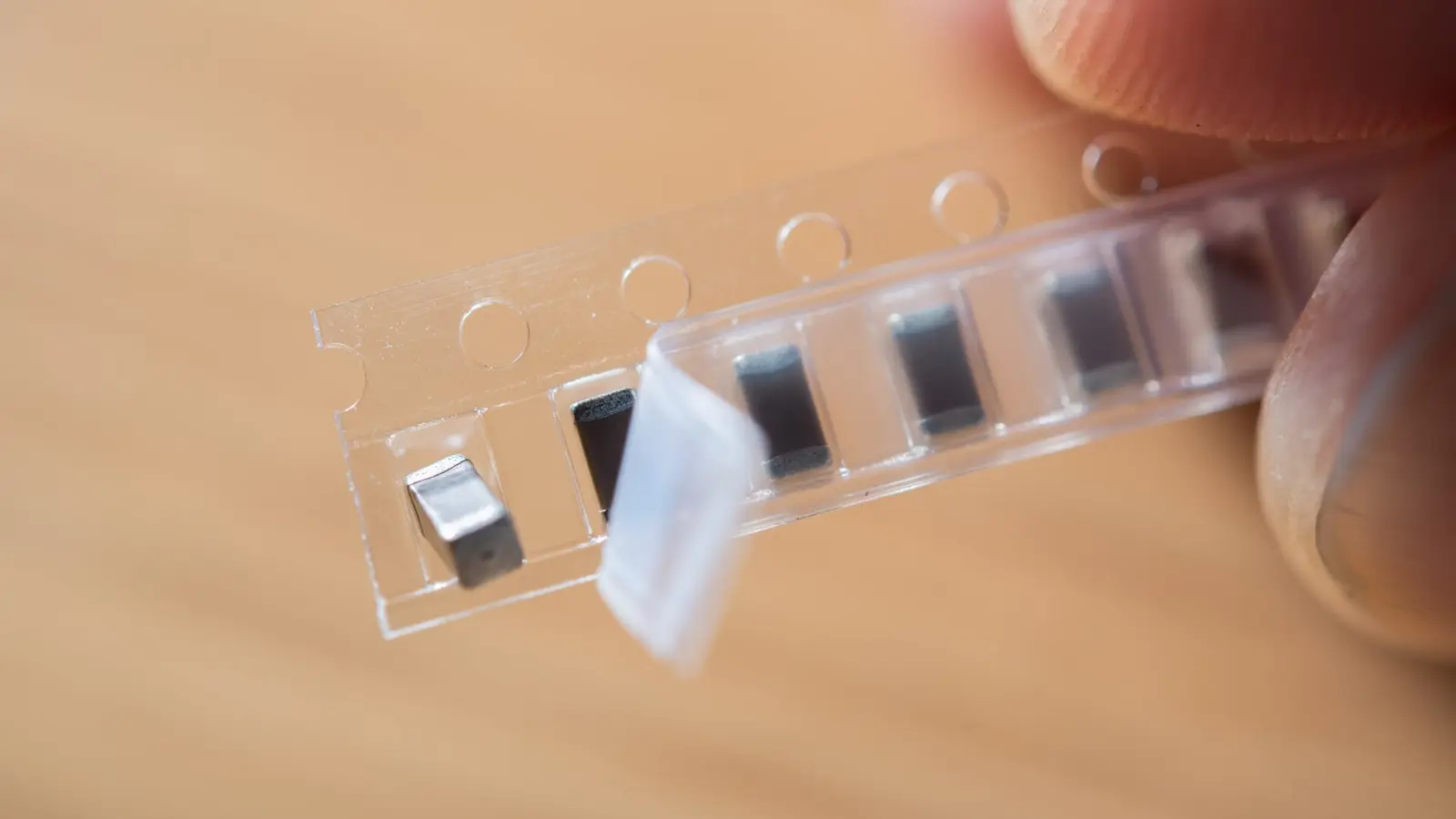
MOQ meaning is minimum order quantity: the smallest order a supplier is willing to accept for a product, version or customization. In electronics, it is not only a sales rule; it usually reflects setup work, component buying units, logo and packaging work, testing, documentation and the risk of holding unsold materials.
Minimum order quantity in plain English
A minimum order quantity, usually shortened to MOQ, is the smallest quantity a supplier will quote or produce under a given set of conditions. The important phrase is “under a given set of conditions”, because changing the color, cable length, plug type, logo method, packaging or compliance route can change the answer.
For a buyer, MOQ is not always the number you must buy forever. It may apply to the first order, to each production run, to each color, to each package design, or to a custom part inside the product. A supplier should be able to tell you which one it means.
In electronics, the MOQ is often a combination of several smaller limits. A wireless charger may have housing, coil, circuit board, cable, manual and carton decisions. A USB-C cable may have connector, wire, jacket, marking and packaging decisions. A wireless charging power bank adds lithium battery transport and battery documentation issues. The finished product MOQ is usually the highest-pressure point among these requirements, not a random number.
The practical way to read a quote is: “This is the smallest order that makes this exact version workable.” If you change the version to use a stock color, a standard cable, a shared package or a simple logo, the workable quantity may change.
Why factories set MOQs
Factories set MOQs because small runs can carry the same preparation work as larger runs. Even without changing the core design, an order may need order review, purchasing, incoming material checks, artwork confirmation, assembly setup, inspection planning, packing instructions and shipping paperwork.
For electronics, the pressure usually comes from these areas:
- Component buying units: chips, connectors, coils, magnets, cells, housings and labels may be supplied in fixed packing forms.
- Setup and changeover: each model, color or cable type may need preparation before assembly and inspection.
- Printing and packaging: logo printing, manuals, retail boxes and barcode labels can each have their own workable batch size.
- Quality control: even a small order still needs checks for charging function, appearance, marking, packing and safety-related items.
- Compliance work: if the product is being marketed with a standard, logo or regulated feature, the documentation burden does not disappear because the order is small.
- Inventory risk: if a buyer requests a non-standard material, the supplier may be left with parts that cannot be reused for other buyers.
A useful component example comes from Texas Instruments. In the package addendum for the SN74LS595 shift register, SOIC tape-and-reel orderable parts are listed with a package quantity/SPQ of 2500, while several tube-packaged variants are listed with quantities of 25. That is not a finished-product MOQ, but it shows why electronics purchasing can be affected by how components are packaged and supplied.
The MOQ in a quote should be read together with the exact specification; a small change in version can turn one MOQ into a different MOQ.
What moves the MOQ up or down in electronics
The most useful way to think about MOQ is by customization depth. The deeper the change, the more parts of the supply chain become dedicated to your order.
| Order style | What changes | MOQ pressure |
|---|---|---|
| Stock item | No branding | Lowest |
| Logo only | Print area | Low |
| Color or length | Materials | Medium |
| Custom packaging | Print files | Medium |
| New electronics | PCB and tests | High |
| New housing | Tooling path | Highest |
| Power bank | Battery rules | Higher |
A stock item normally has the lowest pressure because the product version already exists and the buyer is mainly choosing quantity and shipping details. It is often the cleanest way to test market demand.
A logo-only order adds artwork approval and a printing method. The MOQ may depend on where the logo is placed, whether it is printed, engraved, debossed or added as a label, and whether the surface material accepts that method cleanly.
A custom cable length or color can raise the MOQ because cable jacket material, wire, connector shells and marking may become dedicated to that order. For USB-C to USB-C cables, USB-IF requires cable categories to be marked with 60 W or 240 W power capability before compliance testing, and most USB-C to USB-C cables must also be marked with the supported data rate. That makes the marking and specification decision more than a cosmetic choice.
Custom packaging often changes the MOQ because printed boxes, manuals, inserts and barcodes may each need approval and batching. For a small brand, a neutral box with an approved label can sometimes be a better test step than a fully printed retail package.
A custom PCB, meaning a printed circuit board designed or changed for your version, usually raises the MOQ because engineering review, sample validation and component purchasing become more specific. Wireless chargers also involve wireless power behavior. The Wireless Power Consortium says Qi-certified products must pass testing in an authorized laboratory against WPC specifications for safety, interoperability and backward compatibility, and buyers should verify certification by searching the WPC Certified Products Database.
A power bank adds lithium battery transport rules. The FAA says spare lithium batteries, including power banks and portable chargers, must be carried on and protected from damage and short circuit for passenger carriage. It also states that lithium-ion power banks are limited to 100 Wh per battery for normal passenger carriage, with airline approval needed for up to two 101–160 Wh spare batteries. For air cargo, IATA classifies lithium batteries as Class 9 dangerous goods, lists UN 3480 for lithium-ion batteries, and says cells and batteries must be tested under UN Manual of Tests and Criteria Part III, subsection 38.3. IATA also treats power banks as UN 3480 lithium-ion batteries when shipped by air.
MOQ questions to ask before you compare quotes
Two quotes can show the same product name and still mean different MOQs. Before comparing suppliers, ask what the MOQ attaches to.
Use this RFQ checklist when you ask for a quote:
- Is the MOQ per model, or for the whole purchase order?
- Is it per color, finish or material?
- Is it per logo position or logo method?
- Is it per cable connector type, cable length or cable color?
- Is it per plug type, adapter type or included accessory?
- Is it per package design, barcode, language version or manual?
- Is it per shipment, or can one order be split into batches?
- Does the MOQ change if I use neutral packaging?
- Does the MOQ change if I use an existing product with only my logo?
- Are samples made from the same version that will be used for mass production?
- Which tests and inspections are included before shipment?
- Which documents will be available for the market where I will sell?
For wireless charging products, also ask whether any Qi claim is supported by a database record for the exact product or version. For USB products, ask how the cable is marked and whether any USB-IF logo use is covered properly. USB-IF states that commercial use of USB-IF logos requires a trademark license agreement, and a cable that fails testing is not authorized to bear the logos or be sold with them.
For general electronics sold into the European Union, RoHS is another specification issue. Directive 2011/65/EU covers categories including IT and telecommunications equipment, consumer equipment and other electrical and electronic equipment. Annex II sets maximum concentrations by weight in homogeneous materials: lead, mercury, hexavalent chromium, PBB and PBDE at 0.1%, and cadmium at 0.01%. The directive’s declaration-of-conformity annex places responsibility for conformity on the manufacturer or installer.
Why marketplace quantities can look lower
A marketplace seller may be selling goods that have already been produced, packed and stored. In that case, the seller can split available inventory into small lots. A factory quote for a new OEM or ODM order is different: the supplier must prepare the exact version you requested.
That is why a small quantity on a retail or wholesale marketplace is not always a fair comparison with a made-to-order factory quotation. The marketplace offer may not include your logo, your packaging, your color, your market documents, your preferred cable, or your required inspection plan.
The difference is especially important for products that carry technical claims. USB-IF lists specific tools and fixtures used to test USB products, including protocol, descriptor, electrical and interoperability testing. It also notes that the compliance program uses specific known-good devices and hubs during certification testing and that the certification platform requirements can change. Those requirements are not visible when you only compare a listing photo.
FCC rules also affect how electronic products are marketed in the United States. 47 CFR 15.3 defines an intentional radiator as a device that intentionally generates and emits RF energy by radiation or induction. It defines an unintentional radiator as a device that uses RF energy internally or sends RF signals by wiring but is not intended to emit RF energy by radiation or induction. Under 47 CFR 15.101, unintentional radiators generally must be authorized before marketing through certification or Supplier’s Declaration of Conformity unless exempted, and the section lists device types including Class B digital devices, peripherals and external switching power supplies.
How a small brand can start below the full custom path
If the full custom MOQ is too high for your first order, reduce the number of things that are unique to you. Your goal is to test demand without creating dedicated materials that lock up cash.
Good first-order options include:
- Use an existing wireless charger, cable or power bank design and add only a logo.
- Keep the standard housing color and surface finish.
- Use a standard cable length and connector combination.
- Choose neutral packaging with a compliant label rather than a fully printed retail box.
- Start with one color and one package design, not several versions.
- Avoid changing the circuit board unless the feature is essential.
- Confirm documentation before artwork, not after production.
- Ask whether paying a setup fee can reduce the production quantity for a test run.
For branded wireless chargers and power banks, it can help to explore logo placement before requesting a quotation. A visual check does not replace supplier approval, but it reduces back-and-forth on logo size, color and position. You can try a logo layout with the logo customiser, then send the preferred direction with your RFQ.
If you are comparing standard product types, review the product category first so your request is specific. For example, choose whether you are asking about wireless chargers, USB cables or wireless charging power banks before you ask for a low-start option.
A supplier may agree to go below the normal MOQ, but there is usually a trade-off. You may pay more per unit, accept fewer customization choices, use available materials, choose simple packaging, or wait until your order can be grouped with a compatible run. The right question is not only “Can you reduce the MOQ?” It is “What do I give up if you reduce it?”
A practical decision framework
Accept the higher MOQ when you have clear demand, stable artwork, known sales channels and enough cash to hold inventory. A higher starting quantity can make sense when the product version will not change soon and the packaging is ready for your target market.
Use a stock model with logo when you are testing a new audience, launching a promotional campaign, or checking whether customers prefer a charging stand, pad, car mount, cable or power bank. This path keeps the first order simpler and gives you real feedback before deeper customization.
Ask about a setup-fee option when the order is close to workable but one fixed cost is creating the MOQ pressure. This may fit logo printing, special packaging or a small material change. It is less likely to solve a deep custom electronics change.
Do not compare unit price alone. A lower unit price can still be the wrong choice if it forces you to carry slow-moving inventory. Compare the total risk: cash tied up, storage, product version risk, artwork risk, compliance risk and the cost of being unable to change after feedback.
When you are ready to test a real version, send a short, complete RFQ rather than asking only for the lowest MOQ. Shenzhen Sunning Tension Industrial Co., Ltd. manufactures wireless chargers, USB cables and wireless charging power banks to order for brands, importers, distributors and promotional-gift buyers, with custom logos and packaging. You can ask for a quotation or a sample through the contact page.
Questions and answers
What does MOQ mean when a factory gives me a quote?
MOQ means the smallest order the factory is willing to accept for the exact product version in the quote. Check whether it applies per model, color, logo, package design, shipment or purchase order.
Is minimum order quantity only for the first order?
Not always. Some MOQs apply to every production run, while others apply mainly when a new material, color, package or custom part is introduced. Ask the supplier whether repeat orders can be smaller if the specification stays unchanged.
Can I put my logo on an existing charger without full customization?
Often, yes. Logo-only branding on an existing model is usually a lighter step than changing the housing, PCB, cable, battery or packaging structure. You still need artwork approval and a clear sample before production.
Does using a certified product help me start smaller?
It can reduce engineering uncertainty only if the certification or database record matches the exact product and version you will sell. For Qi claims, WPC tells buyers to verify certification in its Certified Products Database; for USB logo use, USB-IF requires the correct licensing and compliance status.
What trade-offs come with asking below MOQ?
The usual trade-offs are fewer customization choices, simpler packaging, available colors only, a higher unit cost, a setup fee, or less flexibility in timing. Make sure any lower-quantity agreement still includes the checks and documents your market needs.
Sources
- Wireless Power Consortium: All standards
- USB Implementers Forum: Compliance Tools
- USB Implementers Forum: Cables and Connectors
- Electronic Code of Federal Regulations / Federal Communications Commission rules: 47 CFR 15.3 -- Definitions
- Electronic Code of Federal Regulations / Federal Communications Commission rules: 47 CFR 15.101 -- Equipment authorization of unintentional radiators
- Federal Aviation Administration: Airline Passengers and Batteries
- International Air Transport Association: IATA Guidance Document for Lithium Batteries and Sodium ion Batteries – 2026
- EUR-Lex / European Union: Directive 2011/65/EU on the restriction of the use of certain hazardous substances in electrical and electronic equipment
- Texas Instruments: 8-Bit Shift Registers With Output Latches datasheet
- UL Solutions: Third-Party Certification of Building Materials
Written by the engineering team at Shenzhen Sunning Tension Industrial Co., Ltd, an OEM and ODM factory in Bao’an, Shenzhen making consumer electronics and supplying custom-branded gifts. Ask a question about your own specification →