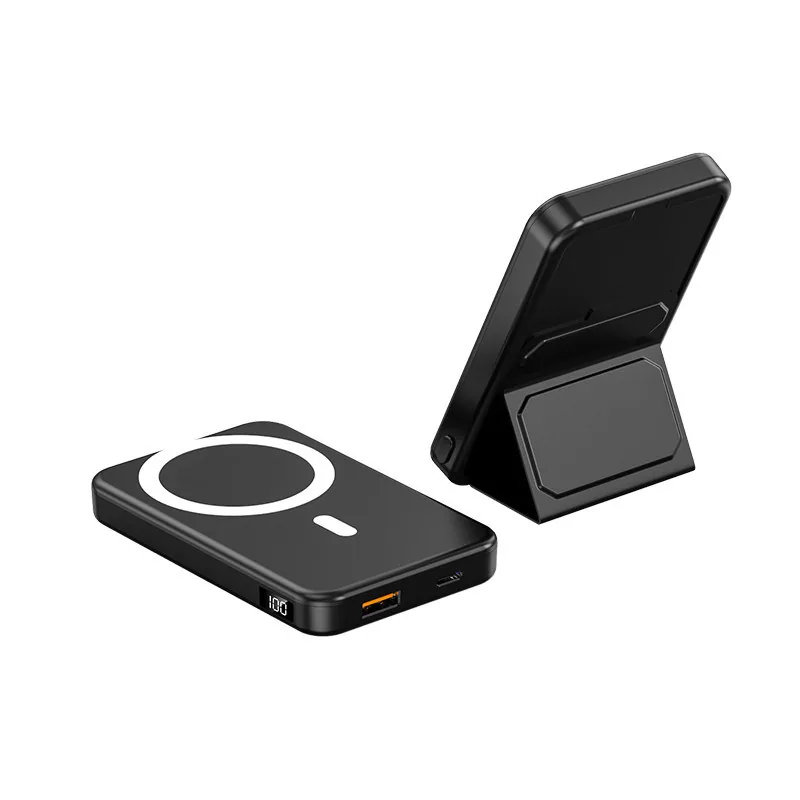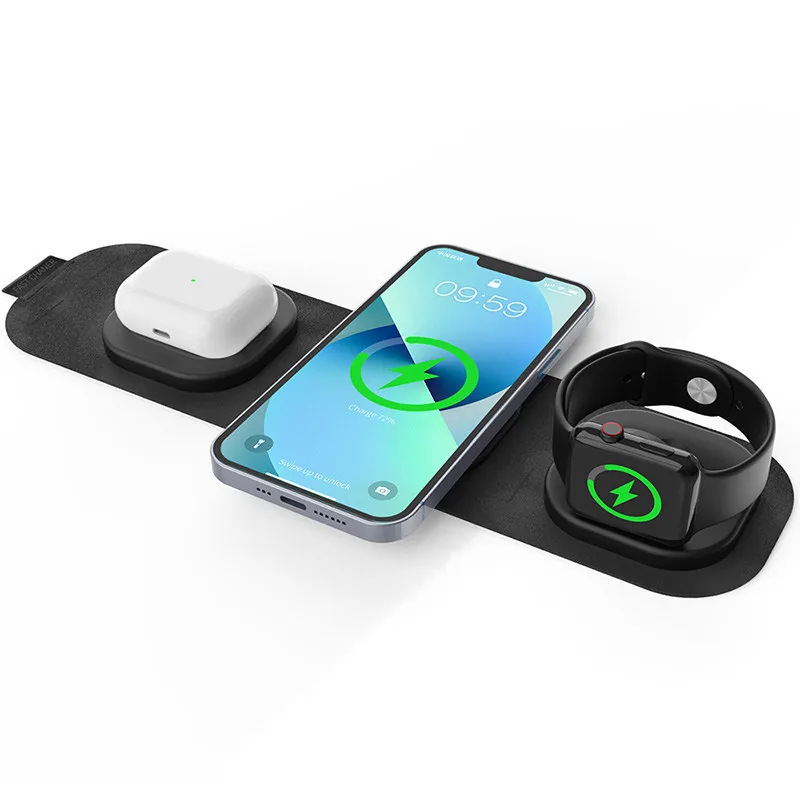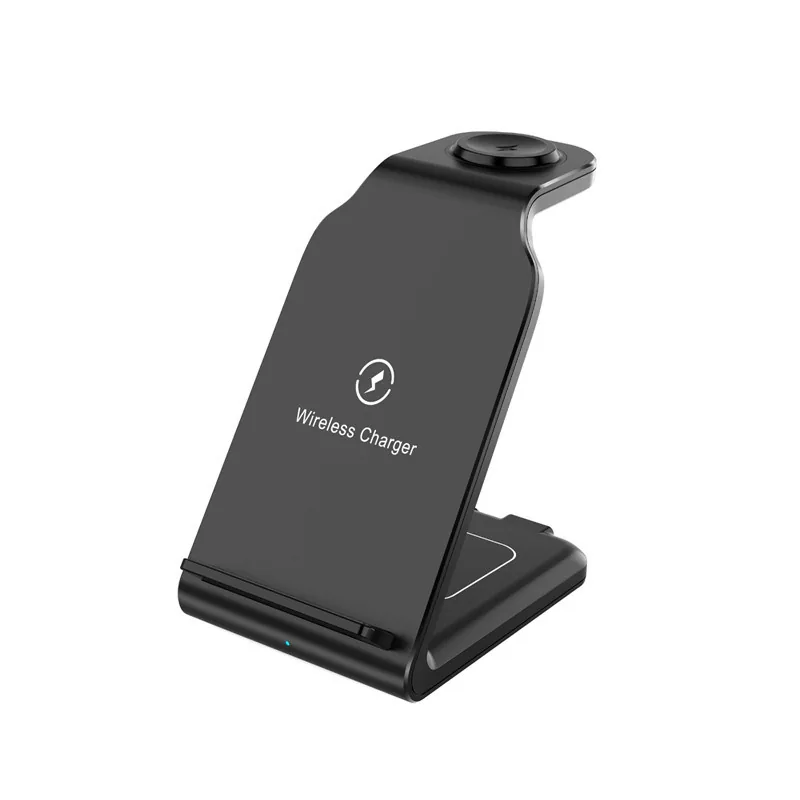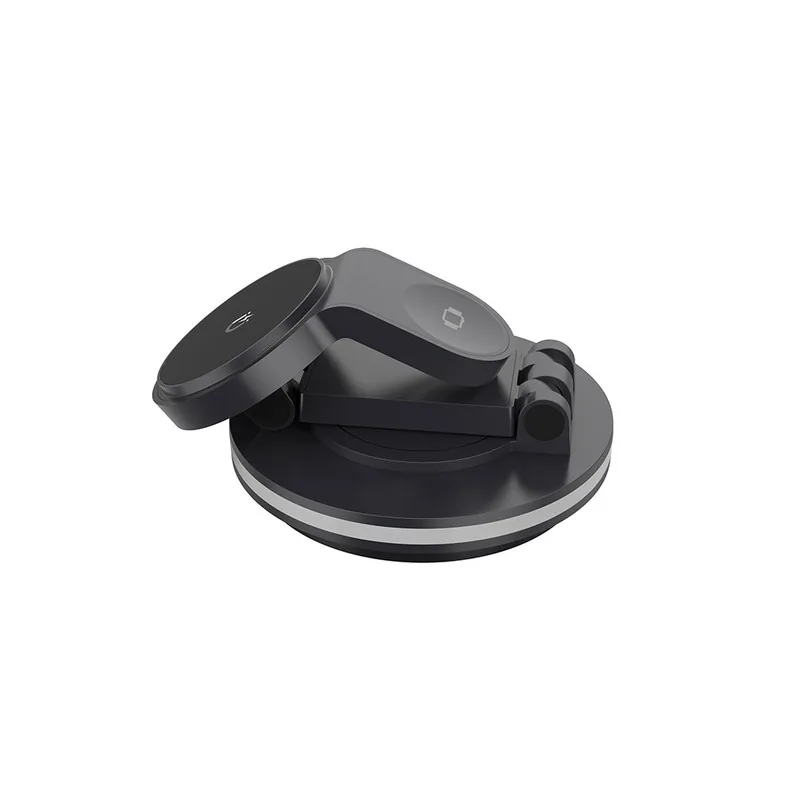
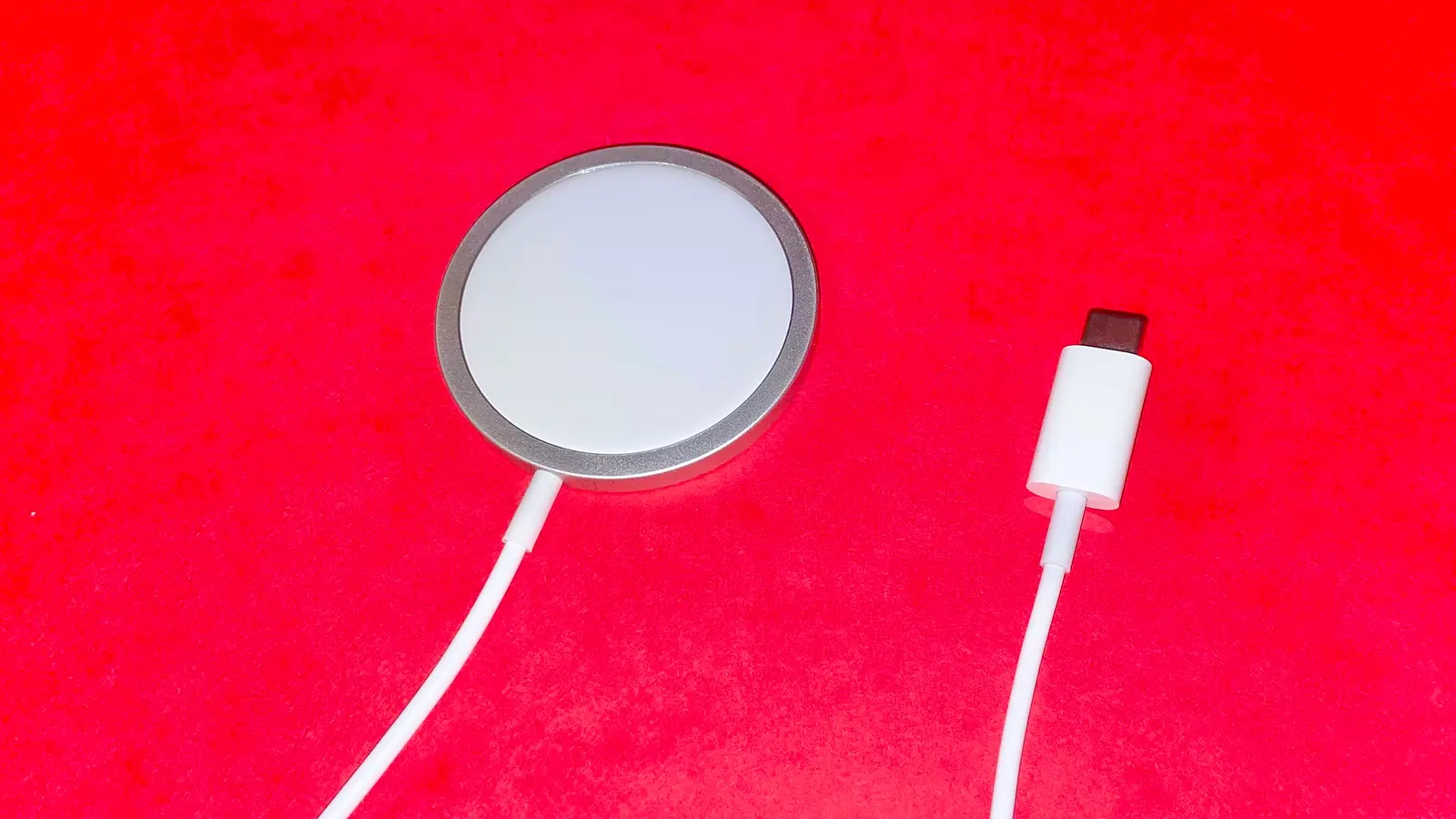
RoHS compliance means an in-scope electrical or electronic product does not exceed EU restricted-substance limits at the homogeneous-material level and the responsible party can show the required documentation. For a wireless charger, USB cable or wireless charging power bank, treat it as a product-level obligation backed by material evidence, test reports and an EU Declaration of Conformity, not just a one-page supplier promise.
RoHS compliance in sourcing electronics
RoHS is the EU restriction on certain hazardous substances in electrical and electronic equipment, often shortened to EEE. The European Commission says all products with an electrical and electronic component must comply unless specifically excluded.
For an OEM or ODM buyer, the practical meaning is simple: your product design, parts, coatings, cable jacket, solder, printed circuit board and external materials must support the compliance claim for the exact model you place on the market. A wireless charger, a USB cable and a wireless charging power bank may look simple from the outside, but each can contain many different homogeneous materials, meaning uniform materials or materials that cannot be mechanically separated by unscrewing, cutting, crushing, grinding or abrasive processes.
A supplier may say a product is RoHS compliant, but that phrase needs evidence. Ask what model was assessed, what materials were covered, what test method was used, and whether the Declaration of Conformity is ready for the product version you are buying.
A general RoHS statement is not enough when the model, PCB, cable jacket, connector plating, coating, adhesive or pigment changes.
The restricted substances and limits
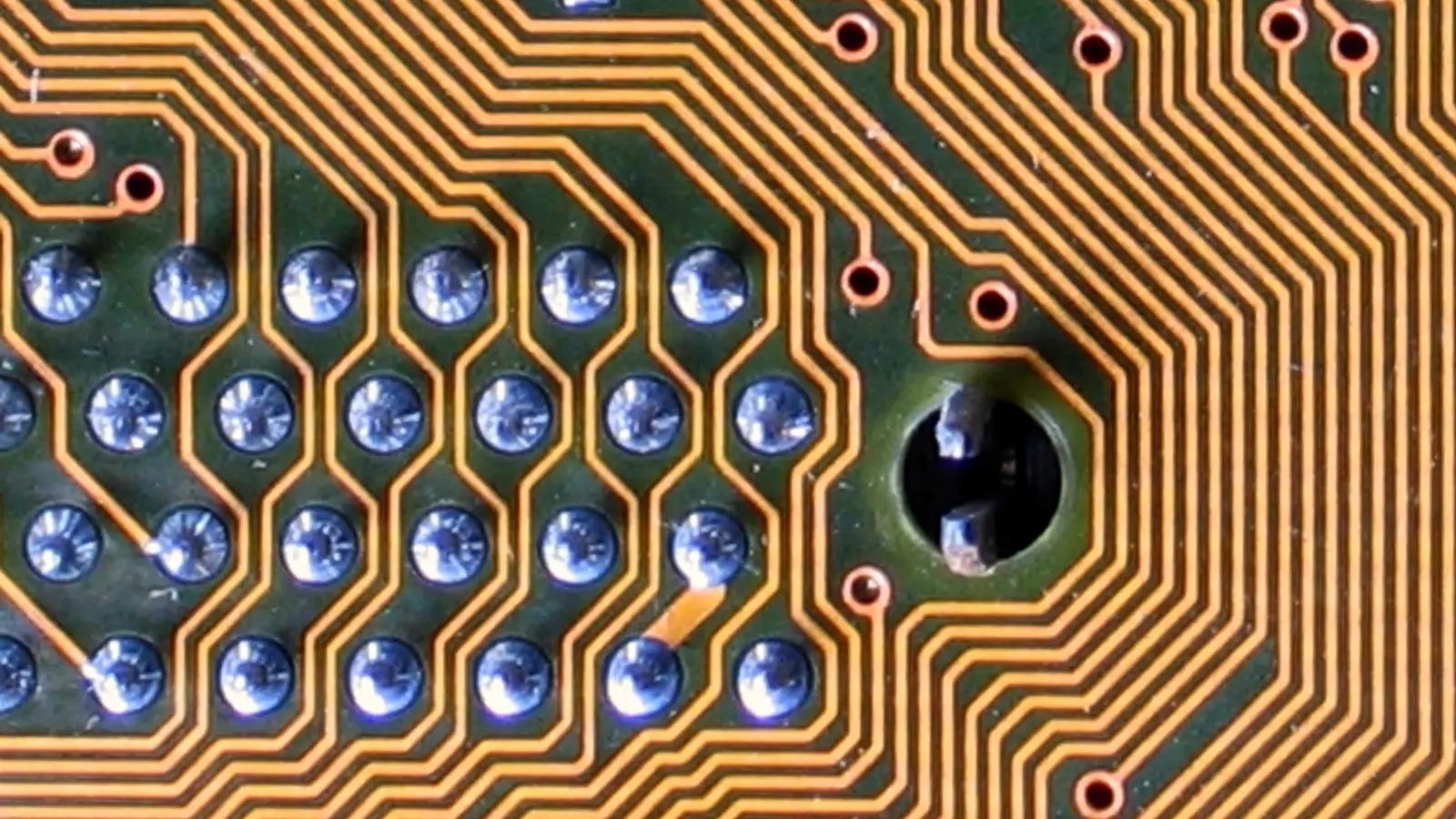
EU RoHS currently restricts ten substances in electrical and electronic equipment. The European Commission lists lead, cadmium, mercury, hexavalent chromium, PBB, PBDE, DEHP, BBP, DBP and DIBP. Ireland’s Environmental Protection Agency gives the limits as 0.1% for each restricted substance except cadmium, which is 0.01%.
| Restricted substance | Limit |
|---|---|
| Lead | 0.1% |
| Mercury | 0.1% |
| Hexavalent chromium | 0.1% |
| PBB | 0.1% |
| PBDE | 0.1% |
| DEHP | 0.1% |
| BBP | 0.1% |
| DBP | 0.1% |
| DIBP | 0.1% |
| Cadmium | 0.01% |
The limit is by weight in the relevant homogeneous material, not by weight of the full finished product. This is why a small part can create a serious compliance issue even when the whole charger or cable appears to contain only a tiny amount of the substance.
In charging products, pay particular attention to:
- Solder joints and PCB finishes, because lead can appear in electronic connections.
- Metal plating and connector finishes, because surface treatment can affect restricted-substance risk.
- PVC, TPE, TPU or similar cable jackets, because plasticisers and pigments matter.
- Flame-retardant plastics, because brominated substances may need closer review.
- Printed logos, coatings and decorative colour layers, because pigments and inks are separate material risks.
- Adhesives, rubber pads and soft-touch finishes, because they may be different homogeneous materials from the housing.
These examples do not mean a part is non-compliant. They show where a buyer should ask for material evidence instead of accepting a broad claim for the finished item.
Where the limits are measured
RoHS is enforced at product level, but Ireland’s Environmental Protection Agency explains that compliance is evaluated at homogeneous-material and individual-component level. That distinction matters in electronics sourcing.
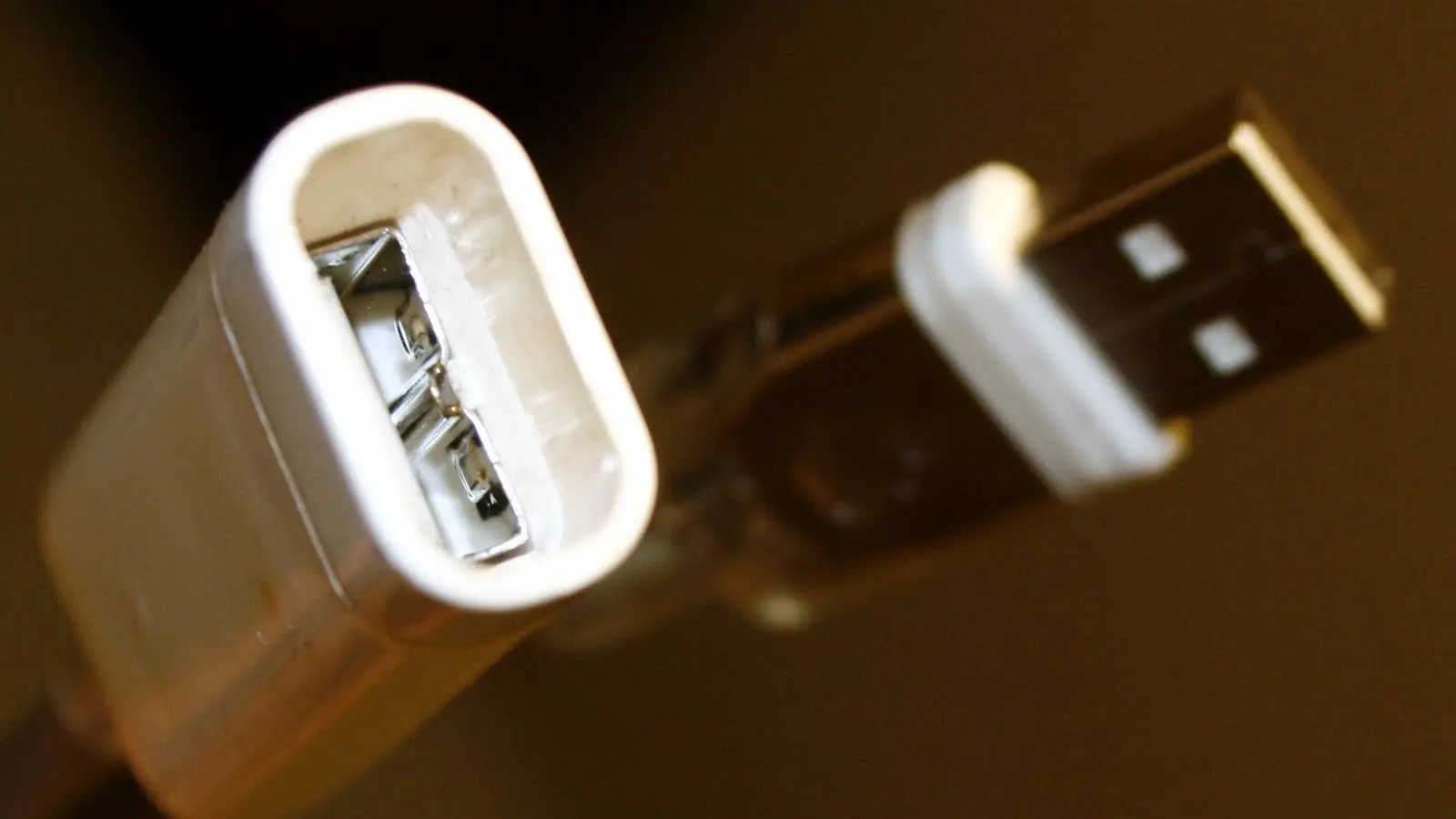
A homogeneous material is not the whole USB cable. The outer jacket, internal insulation, metal conductor, connector shell, plating, strain relief and printed marking can each be separate assessment points. A wireless charger housing, PCB laminate, solder, ferrite sheet, coil wire coating, silicone foot pad and decorative coating can also be separate materials.
For a power bank, the compliance review should follow the same logic across the electronics, enclosure and accessories supplied with the product. If the package includes a charging cable, that cable should not be treated as an afterthought; it is part of the product set you provide to your customer.
When you review a supplier file, check that it is not based only on a finished-product scan. IEC 62321-3-1:2026 describes XRF screening for lead, mercury, cadmium, total chromium, total bromine and other elements in uniform materials found in electrotechnical products, but XRF is a screening technique rather than the whole compliance process. IEC 62321-2:2021 covers disassembly, disjointment and mechanical sample preparation before analytical testing under other parts of the IEC 62321 series.
In plain English: testing starts by choosing and preparing the right material samples. If the wrong layer or part is tested, the result may not answer the compliance question you actually have.
Documents that show compliance
The EU Declaration of Conformity, often called a DoC, is the legal document signed by the manufacturer or authorised representative to declare that the product meets applicable EU requirements. Your Europe explains that it is signed only after conformity assessment and supporting technical documentation are complete, and that signing it means taking full responsibility for compliance.
For RoHS, non-compliance can mean the product exceeds maximum concentration values or fails procedural requirements such as the Declaration of Conformity and CE marking. That means documentation is not a formality; it is part of compliance.
A buyer-friendly file should include:
- Supplier RoHS declaration for the exact product, model and material version.
- Third-party test reports that identify the tested samples, materials and methods.
- EU Declaration of Conformity listing product identification, relevant legislation and the standards or other means used to prove compliance.
- Technical documentation showing how the compliance conclusion was reached.
- BOM and material evidence, where BOM means bill of materials, the structured list of parts and materials used in the product.
- Material declarations from relevant suppliers where they support the finished-product assessment.
- Label and packaging checks for the correct product identification and CE marking where required for the EU product.
- Record control so the latest declaration and supporting file can be kept for the required period after the product is placed on the EU market.
Your Europe states that a copy of the latest EU Declaration of Conformity must be kept for 10 years after the product is placed on the EU market. It also says the DoC should include product identification, relevant legislation and harmonised standards or other means used to prove compliance.
IEC 63000:2016 specifies the technical documentation a manufacturer compiles to declare compliance with applicable substance restrictions. IEC 62474:2018 specifies the procedure, content and form for material declarations used in the electrotechnical industry, giving downstream manufacturers data they can use for substance restriction assessment and environmentally conscious design.
If you are building a custom product with your logo, colour or packaging, put these document requirements into the product brief early. For OEM and ODM charging products, Sunntc makes wireless chargers, USB cables and wireless charging power banks to order for brands, importers, distributors and promotional-gift buyers; the compliance document list should follow the exact version you approve for production. You can align the product brief and documentation expectations through the OEM/ODM process at OEM and ODM manufacturing.
How to verify a supplier claim before production
The safest time to check RoHS evidence is before mass production, not after goods are packed. Market surveillance can include labelling checks, technical documentation checks and analysis of products for hazardous substances, according to Ireland’s Environmental Protection Agency.
Use the supplier’s statement as the start of your review, not the end of it.
- Ask for model-specific RoHS reports, not only a company-wide statement.
- Match the model number, product name, PCB version, cable type and housing material to your approved sample.
- Check whether the report covers the finished product, critical components, or selected homogeneous materials.
- Confirm the report names the restricted substances you need reviewed.
- Check the test method and whether XRF screening is being used only as screening.
- Compare photos, sample descriptions and material names against your product specification.
- Ask whether any part has changed since the report was issued.
- Keep the declaration, reports, BOM, material evidence and artwork files together.
For charging products, small changes can affect the file. A new black pigment, a different cable jacket, a revised solder material, a replacement connector, a softer rubber pad, a different coating or a changed adhesive can all make old evidence less useful. The question is not whether the product name stayed the same; the question is whether the assessed materials stayed the same.
Before purchase order release, ask the supplier to confirm:
- The approved sample and production version use the same materials covered by the file.
- Any substitute material will be disclosed before use.
- The EU Declaration of Conformity will identify the correct product.
- CE marking and product identification are consistent across product label, manual and packaging where applicable.
- Records will be available for importer or distributor review.
If you need to discuss sample approval or request a quotation for a custom charger, cable or wireless charging power bank, use the contact page and attach your compliance document checklist with the product brief.
RoHS, REACH and destination requests
RoHS and REACH are often requested together, but they are not the same. RoHS specifically restricts certain hazardous substances in electrical and electronic equipment. REACH is the EU’s main chemicals law for registration, evaluation, authorisation and restriction of chemicals, and the European Commission says chemical substances exceeding one tonne per year per company must be registered with ECHA.
Ireland’s Environmental Protection Agency explains that REACH covers virtually all substances, hazardous and non-hazardous, manufactured, imported and used within the EU, while RoHS is focused on hazardous substances in EEE. In buying terms, a RoHS report does not replace a REACH declaration, and a REACH statement does not prove RoHS conformity.
Customer requests may use different wording. Treat each request by asking what rule, market and product version it covers.
- EU RoHS: ask for RoHS evidence, technical documentation and an EU Declaration of Conformity for the in-scope product.
- REACH: ask for a separate REACH declaration or substance information matched to the product and materials.
- UK RoHS request: ask the customer or compliance adviser which UK document set and marking expectation applies; do not assume an EU declaration answers every UK request.
- China RoHS request: ask what China-market declaration, label or material disclosure is required for the buyer’s channel; do not treat an EU DoC as a China-market file.
- Customer RoHS certificate: clarify whether the buyer means a supplier statement, a third-party test report, or the EU Declaration of Conformity.
The phrase RoHS certificate is common in purchasing emails, but it can be imprecise. A one-page supplier certificate may be useful as a summary, but it is not the same as a test report and it is not the same as the EU Declaration of Conformity. Your buying file should make those roles clear.
For branded and promotional electronics, keep compliance tied to the exact SKU. If a wireless charger is offered in several colours, finishes or cable sets, the compliance file should show how those versions are controlled. If a distributor later asks for a different market document, you will have a stronger starting point when your EU RoHS, REACH and material files are already organised by model and material version.
Questions and answers
What does RoHS compliant mean for a wireless charger, USB cable or power bank?
It means the product is in scope for electrical and electronic equipment rules unless excluded, the restricted substances stay within the applicable limits at homogeneous-material level, and the required compliance documents support the claim. For a charger, cable or power bank, review the PCB, solder, connectors, plastics, coatings, cable jacket and accessories supplied with the product.
Is the RoHS limit measured on the whole product or each material?
The practical assessment is at homogeneous-material and component level, while enforcement is at product level. A small connector plating, solder joint, pigment layer or cable jacket can therefore matter even if the finished product as a whole appears to contain only a tiny amount of the restricted substance.
Is a supplier RoHS certificate the same as an EU Declaration of Conformity?
No. A supplier certificate or statement is usually a commercial declaration. The EU Declaration of Conformity is a mandatory legal document signed after conformity assessment and supporting technical documentation are complete, and the signer takes responsibility for compliance.
What test reports should an importer ask for?
Ask for reports that identify the exact model, tested samples, materials, substances and methods. For electronics, IEC 62321 reports may support substance testing, while IEC 63000 technical documentation helps show how the manufacturer reached the compliance conclusion. Keep these with the declaration, BOM and material evidence.
Do I need both RoHS and REACH documents?
Usually, buyers request both because they answer different questions. RoHS restricts certain hazardous substances in electrical and electronic equipment, while REACH is the EU chemicals framework covering registration, evaluation, authorisation and restriction of chemicals. One document should not be used as a substitute for the other.
Sources
- European Commission, Directorate-General for Environment: Restriction of Hazardous Substances in Electrical and Electronic Equipment (RoHS)
- European Commission, Directorate-General for Environment: RoHS 2 FAQ Guidance Document
- Environmental Protection Agency, Ireland: Restriction of the use of certain hazardous substances in electrical and electronic equipment (RoHS) directive
- Your Europe, European Union: Signing a declaration of conformity
- International Electrotechnical Commission (IEC): IEC 63000:2016 - Technical documentation for the assessment of electrical and electronic products with respect to the restriction of hazardous substances
- International Electrotechnical Commission (IEC): IEC 62321-2:2021 - Determination of certain substances in electrotechnical products - Part 2: Disassembly, disjointment and mechanical sample preparation
- International Electrotechnical Commission (IEC): IEC 62321-3-1:2026 - Screening - Lead, mercury, cadmium, total chromium, total bromine, total phosphorus, total chlorine, total tin and total antimony content b
- International Electrotechnical Commission (IEC): IEC 62474:2018 - Material declaration for products of and for the electrotechnical industry
- European Commission, Directorate-General for Environment: REACH Regulation
- Environmental Protection Agency, Ireland: What are the differences between the POPs Regulation, REACH Regulation and RoHS Directive?
Written by the engineering team at Shenzhen Sunning Tension Industrial Co., Ltd, an OEM and ODM factory in Bao’an, Shenzhen making consumer electronics and supplying custom-branded gifts. Ask a question about your own specification →