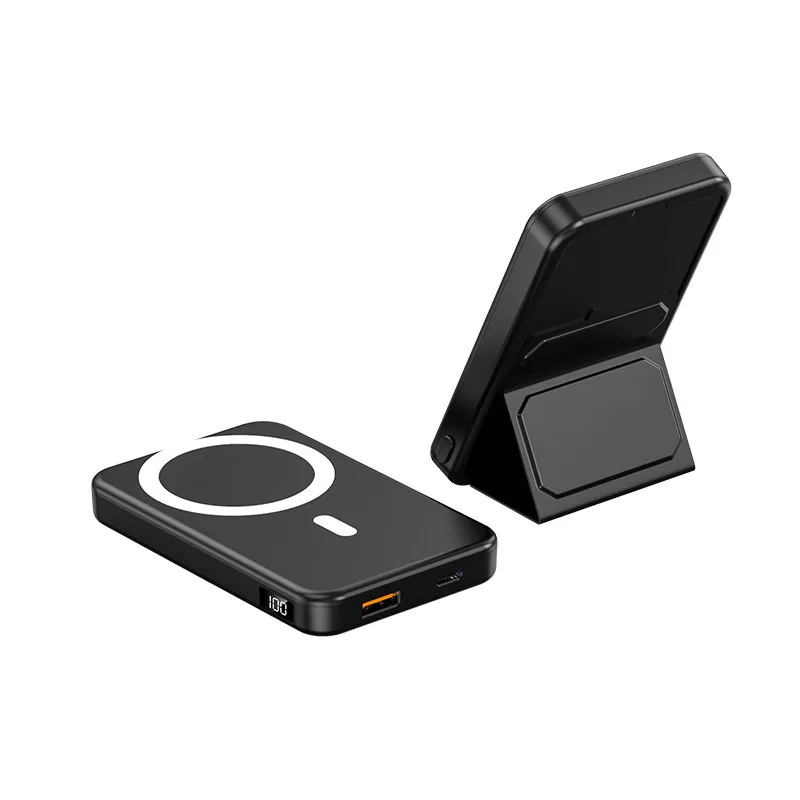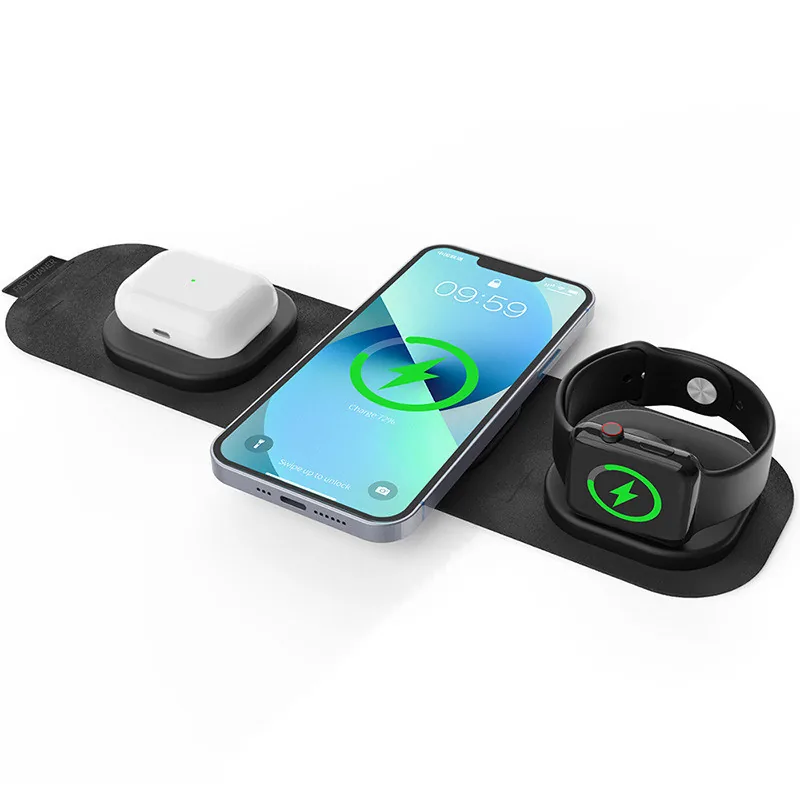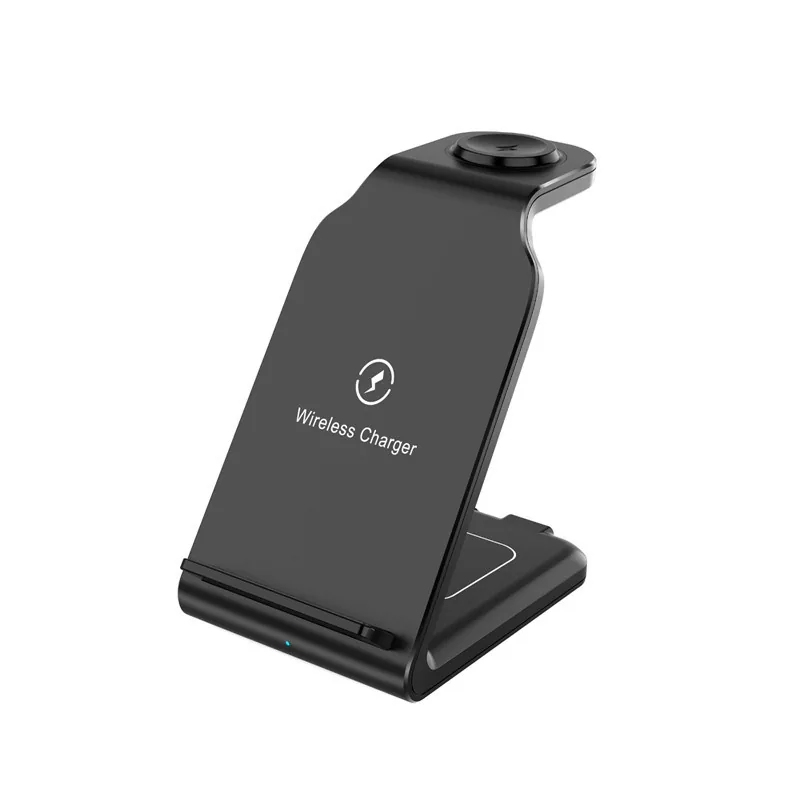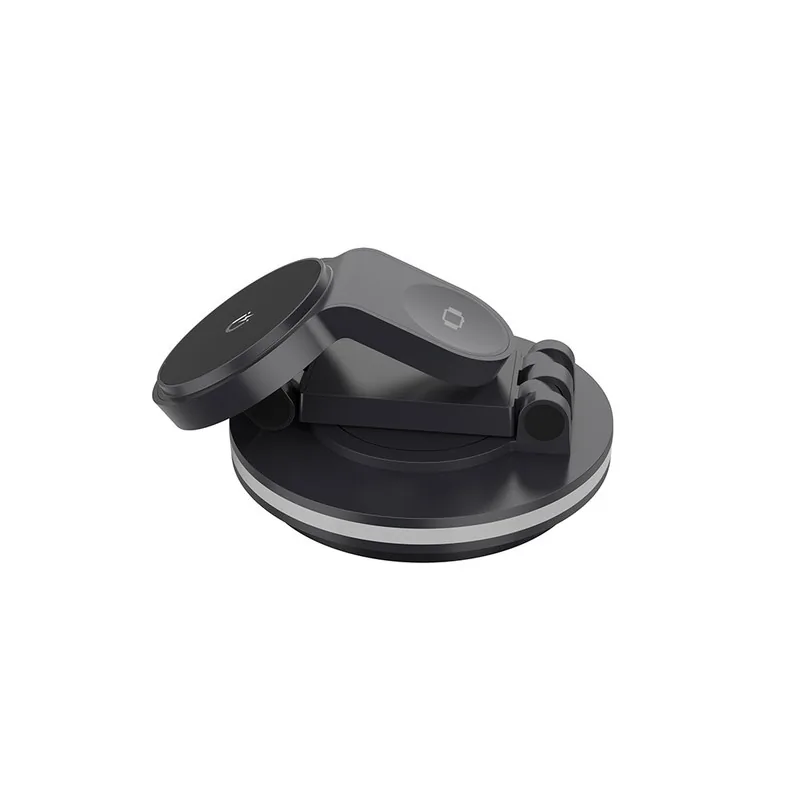
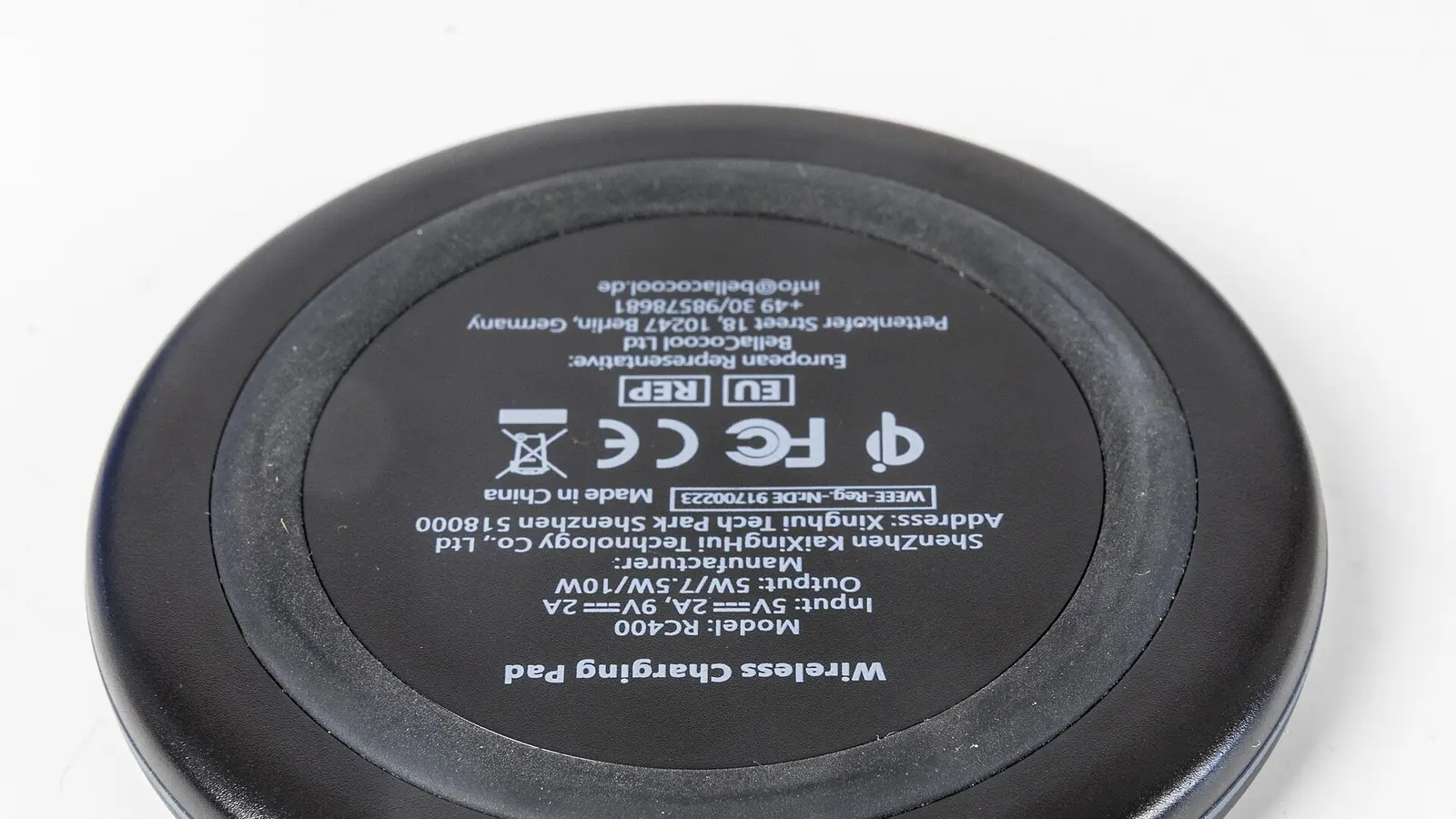
A wireless charger manufacturer should do more than supply a catalogue item. For an OEM or ODM order, the buyer should expect branded product planning, PCBA specification, enclosure and moulding decisions, assembly, logo printing, packaging, testing evidence and export documents that match the market where the goods will be sold.
What a wireless charger manufacturer should do
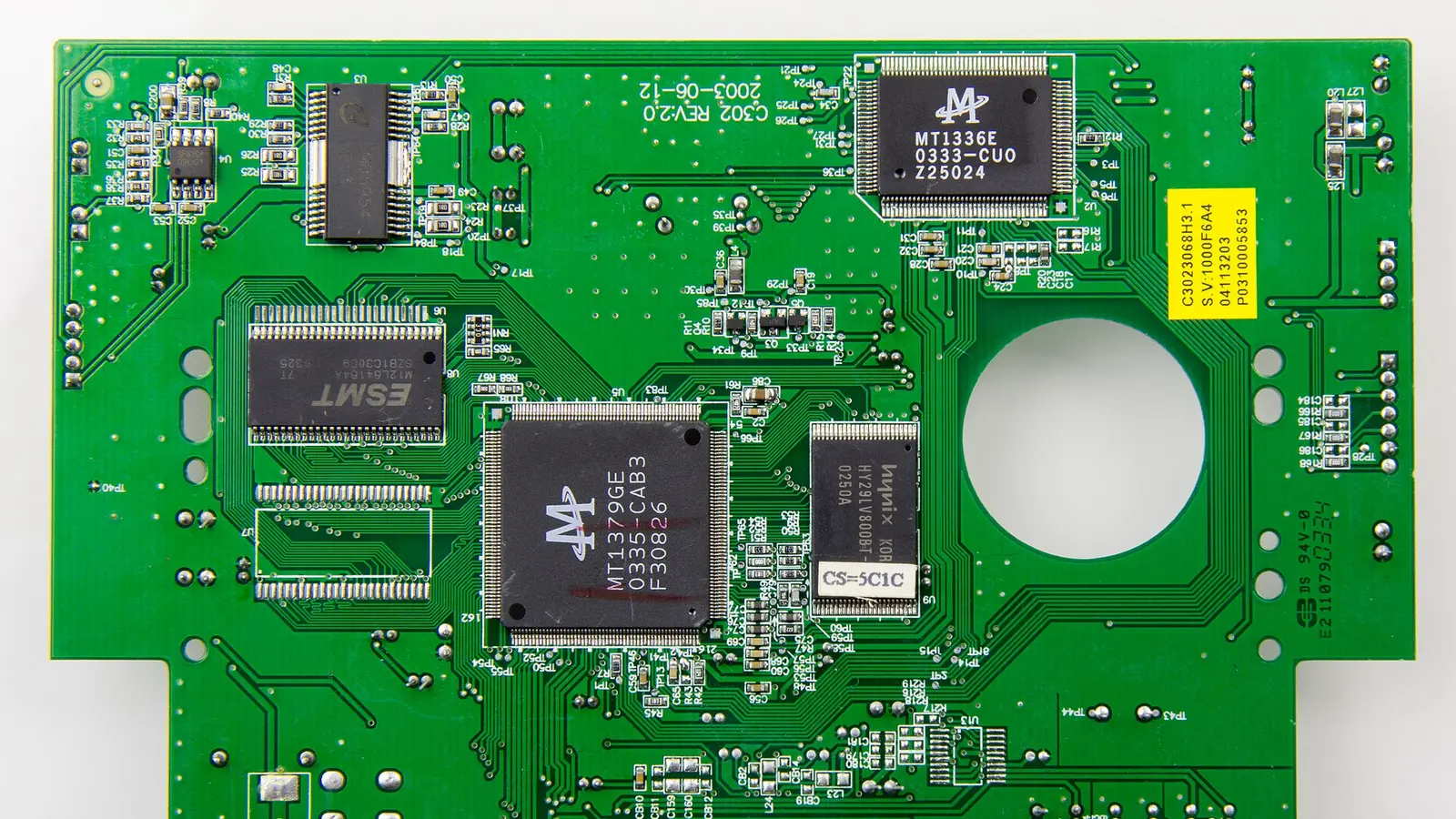
OEM means original equipment manufacturing: you buy a product made for your brand. ODM means original design manufacturing: you use or adapt an existing product design and make it fit your market, logo and packaging needs. PCBA means printed circuit board assembly, the electronic board that controls charging, protection and communication.
A capable supplier should be able to translate your brief into a controlled order file. That file should connect the charger type, rated input, claimed output, cable or adapter requirements, logo position, packaging artwork, user manual, destination market and the test documents you need before shipment.
For a brand owner, importer, distributor or promotional-gift buyer, the key issue is traceability. The sample you approve, the test report you receive and the goods you inspect should be the same product in appearance, model identification, electrical rating and packaging claim.
The questions that separate a factory from a trader are usually practical rather than aggressive:
- Which PCBA version will be used for my sample and production order?
- Which parts of the logo, packaging and manual can be changed without retesting?
- Which market rules are you preparing documents for: EEA, United States or another destination?
- Can the test report identify the same model name or type number shown on the product and box?
- Who controls sample approval, artwork confirmation and inspection photos before shipment?
- What changes would make the old report unusable for this order?
Sunntc makes wireless chargers, USB cables and wireless charging power banks to order for brands, importers, distributors and promotional-gift buyers, with custom logos and packaging. It does not sell its own consumer brand. If you are preparing an OEM or ODM project, it is useful to define the product route before discussing documents, and the OEM and ODM page is the natural place to frame that brief.
Match the supplier to your buying role
Different buyers need different proof. A promotional-gift buyer may focus on logo durability and packaging accuracy, while a brand owner selling in regulated markets needs deeper model traceability and certification checks. A furniture maker using an embedded charger also needs to think about installation instructions and heat around the mounting surface.
| Buyer type | Main risk | Strong check |
|---|---|---|
| Brand owner | Claims mismatch | Certificate traceability |
| Importer | Market compliance | Full test reports |
| Distributor | Mixed batches | Model consistency |
| Online seller | Listing evidence | Public database checks |
| Promotional gift | Artwork errors | Golden sample |
| Furniture maker | Heat and fit | Installation test |
| Corporate gift | User complaints | Simple manual |
Use the table to decide what to ask first. If you only ask for a quotation, every supplier can reply. If you ask for a matched sample, report set, artwork proof and inspection plan, weaker suppliers become easier to identify.
For early product selection, compare the physical format before discussing decoration: pad, stand, magnetic charger, car mount, desktop station, embedded unit or wireless charging power bank. You can review common product formats under wireless chargers and then build your compliance checklist around the chosen type.
Documents to ask for before a sample
Start with the destination market and the claim you want to print. A product marked with a standard logo, a fast-charging claim or a regional compliance mark must be supported by documents that match the exact model. A logo on a product photo is not enough.
For Qi and Qi2, the Wireless Power Consortium says products marked Qi Certified have passed independent laboratory tests for safety, interoperability and energy efficiency. It also warns that wording such as Qi compliant, Qi compatible or Works with Qi suggests the product has not gone through proper Qi certification testing. Ask for the Qi Certificate of Registration and verify that the certificate URL shows the same visual product, brand name, product name and type number in the WPC database.
The WPC certification path matters because it shows the difference between testing language and certification. WPC describes the path as membership, product information submission, compliance testing at an Authorized Test Lab, interoperability testing at an Interoperability Testing Center and certification only when those steps are passed and the product owner is a WPC member in good standing. WPC says certified products may use the Qi logo on product and packaging.
For USB-C inputs or bundled USB-C cables, check whether USB-IF evidence is relevant to your claim. USB-IF says its Compliance Program uses multiple test specifications and a Test ID to track criteria used to evaluate a product. Products that pass are added to the Integrators List and can license USB-IF logos. USB-IF also says only listed lab locations are authorized for certification testing.
If a USB-C to USB-C cable is included, be careful with cable power marking. USB-IF says these cables must be labeled with 60W or 240W power capability before compliance testing so the lab can verify the marking. If the cable supports USB Power Delivery, USB-IF says testing may include USB Power Delivery testing as well as Type-C cable and connector compliance and functional testing.
For the EEA, the European Commission says CE marking means the product has been assessed to meet applicable safety, health and environmental protection requirements. The manufacturer is responsible for conformity assessment, the technical file, the EU Declaration of Conformity and CE marking. CE marking does not mean the EU or another authority has approved the product as safe, and it does not show product origin.
RoHS is also relevant for electrical and electronic products sold into the EEA unless specifically excluded. The European Commission says RoHS restricts hazardous substances to protect health and the environment, and its current restriction list includes lead, cadmium, mercury, hexavalent chromium, PBB, PBDE, DEHP, BBP, DBP and DIBP.
For the United States, FCC KDB 680106 says wireless power transfer devices operating above 9 kHz must be authorized under FCC equipment authorization rules and must meet Part 15 and or Part 18 technical and operational requirements. If the wireless power transfer device transmits information between transmitter and powered device, it must be authorized under the appropriate Part 15 rules for intentional radiators and will generally require equipment certification. FCC also says both Part 15 and Part 18 devices must comply with human RF exposure limits, where RF means radio-frequency energy.
UL 2738 may appear in safety discussions for induction charging products. UL Standards and Engagement describes UL 2738 as an active standard for induction power transmitters and receivers used with low-energy products, including induction battery chargers for cell phones, portable media players, GPS devices and similar small battery-powered devices within its scope.
Do not approve packaging that uses a standard logo or certification claim unless the certificate, report and public database record support the same model and branding you will ship.
Sample approval and pre-production checks
A sample is not just a sales demonstration. It is the reference for charging behavior, heat, user experience, logo position, packaging and the documents you expect later. Keep one approved sample sealed or clearly marked as the golden sample, meaning the reference item used to judge production goods.
Check the sample in the way your users will use it:
- Test charging with the phone models or receiver types that matter to your market.
- Check alignment tolerance: the phone should start charging without careful positioning.
- Check thermal behavior during normal charging and after the phone reaches a high battery level.
- Test foreign object detection, often called FOD, by confirming the charger reacts safely when metal is placed between the phone and charging surface.
- Check LED behavior, sound prompts, screen brightness or fan noise if the model includes these features.
- Confirm the supplied cable and adapter requirements match the manual and packaging.
- Review all printed claims: power, compatibility, input, output, logo marks and warnings.
- Compare the sample model name, type number and appearance with every report or certificate provided.
For customized products, artwork control is part of quality control. Ask for a flat artwork proof, a product mock-up, a packaging proof and a marked position drawing. If the supplier changes the logo method, surface material, cable, magnetic module, adapter, battery cell or charging board after sample approval, ask whether the existing documents still apply.
Wireless charging power banks need extra attention because they combine wireless charging with a rechargeable battery. Ask the supplier and your logistics provider which battery test and transport documents apply to the destination and carrier. Do not assume a wireless charger report covers the battery system, shipping label or power bank manual.
Inspection before shipment
Inspection should prove that the shipped goods match the approved sample and the tested configuration. It should not be limited to counting cartons. Your inspection checklist should connect appearance, function, markings, documents and packaging.
Use these checks before balance payment and shipment:
- Carton marks match the purchase order and destination instructions.
- Product model, rating label and packaging match the approved artwork.
- Random units match the golden sample in color, finish, logo position and accessories.
- Charging starts reliably with the agreed phones or receivers.
- Units are checked for abnormal heat, noise, odor, loose parts and unstable connection.
- FOD behavior is checked on sampled units.
- Cables, manuals and inserts match the approved set.
- CE, FCC, Qi, Qi2, USB or other claims appear only where supported by documents.
- The report model or type number matches the product and carton identification.
- Photos and inspection notes are saved before shipment.
If the supplier says a report is shared across similar models, slow down. Similar appearance is not the same as the same certified product. WPC specifically tells buyers to verify the visual product, brand name, product name and type number in its database for Qi certification. USB-IF also says audits finding differences between shipping product and tested samples can lead to retest, certification revocation or legal action.
A practical order path is usually simple: requirement brief, model selection, artwork, sample approval, deposit, production, inspection, balance payment and shipment. At each step, the buyer should ask what document or photo proves that the product is still the same as the approved sample. If you need a quotation or sample after preparing your checklist, you can send the brief through the contact page.
Questions and answers
How do I know if a supplier is a real factory and not just a trader?
A trader may still be useful, but a manufacturer should answer detailed questions about PCBA version, enclosure changes, artwork limits, sample control, report matching and inspection records. Ask for the order flow, the person responsible for technical confirmation, and how changes after sample approval are controlled. Vague answers, copied certificates and reluctance to match reports to your exact model are warning signs.
Which certificates and reports should I ask for before ordering?
Ask according to market and claims. For Qi or Qi2 claims, ask for the Qi Certificate of Registration and check the WPC database details. For the EEA, ask for CE documents including the EU Declaration of Conformity and technical evidence, plus RoHS evidence where applicable. For the United States, ask for FCC authorization evidence relevant to the product design. For USB-C claims or logo use, ask for USB-IF evidence where applicable.
Is a CE or FCC logo on the product enough?
No. A printed mark is not the proof. The European Commission says the manufacturer is responsible for conformity assessment, the technical file and the EU Declaration of Conformity for CE marking. FCC rules for wireless power transfer also depend on the device operation and authorization route. Ask for the full document set and confirm it matches the model you will ship.
How can I check whether a charger is really Qi or Qi2 certified?
Ask for the Qi Certificate of Registration, then verify the certificate URL in the WPC database. The WPC says the record should show the same visual product, brand name, product name and type number. Be cautious if the supplier only says Qi compatible or Works with Qi, because WPC warns that such wording suggests the product has not gone through proper Qi certification testing.
What should I test on samples before paying for production?
Test charging start, alignment, heat, FOD behavior, cable fit, adapter requirement, LED or display behavior, logo durability, packaging accuracy and manual clarity. Also compare the sample against every certificate and report. The approved sample should become the reference for inspection, not just a demonstration unit.
What extra documents do I need for a wireless charging power bank?
A power bank adds battery and transport risk to the wireless charging checklist. Ask which battery test, transport and carrier documents are required for your route and destination, and confirm that the manual, rating label and carton marks match those requirements. Treat the wireless charger function and the battery system as separate compliance topics that meet in one product.
Sources
- Wireless Power Consortium: Qi Certified Products
- Wireless Power Consortium: Qi Certification Process
- Wireless Power Consortium: Authorized Test Labs
- USB Implementers Forum: Compliance
- USB Implementers Forum: Cables and Connectors
- USB Implementers Forum: Product Search
- European Commission: CE marking
- European Commission: Restriction of Hazardous Substances in Electrical and Electronic Equipment (RoHS)
- Federal Communications Commission: 680106 Wireless Power Transfer (WPT)
- UL Standards & Engagement: UL 2738: Induction Power Transmitters and Receivers for use with Low Energy Products
Written by the engineering team at Shenzhen Sunning Tension Industrial Co., Ltd, an OEM and ODM factory in Bao’an, Shenzhen making consumer electronics and supplying custom-branded gifts. Ask a question about your own specification →