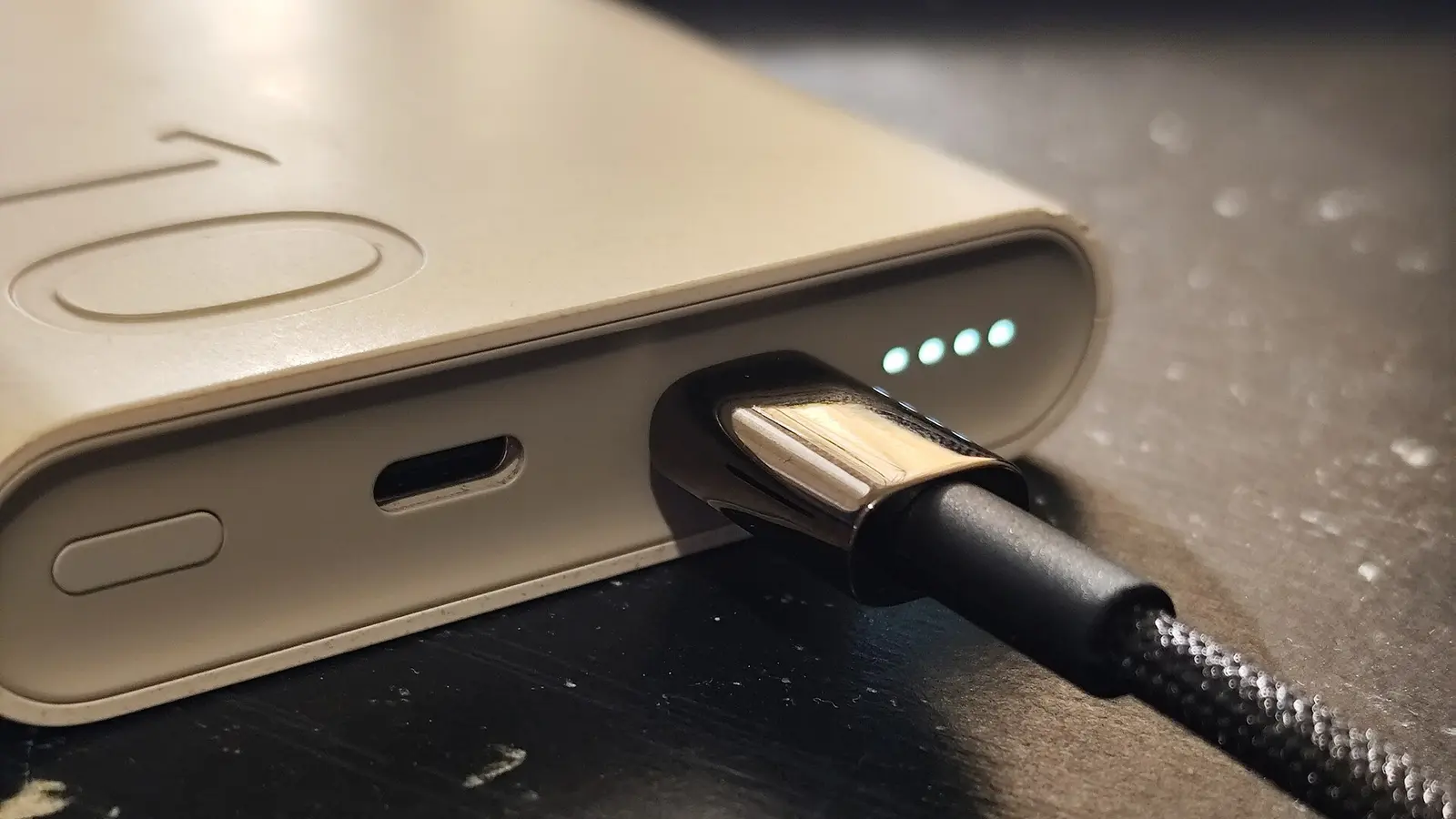
A custom power bank is not chosen by logo area alone. Start with the buying path, then specify capacity, USB-C output, wireless or magnetic charging, decoration, packaging, safety evidence and lithium-battery shipping papers before you approve a sample.
Custom power bank choices by buying path
The right brief depends on why you are buying. A promotional-gift order usually needs a simple user experience and clear brand visibility. A retail or distributor project needs stronger packaging control, market documents and claims that match the test evidence. A fully custom OEM/ODM project adds industrial design and electrical decisions before artwork is even useful.
Use this decision tree before asking for a quote:
- Promotional gift: choose a practical capacity, a visible logo position, simple instructions and packaging that explains how to charge the power bank and a phone.
- Retail or private label: define the product name, rated capacity, ports, charging claims, packaging copy, barcode needs, manual language and market compliance needs.
- Distributor import: make carton labels, product labels and freight documents part of the quotation brief, because lithium-battery paperwork affects shipment planning.
- Fully custom OEM/ODM: define the target user, industrial design direction, charging functions, materials, colour, logo method, packaging structure and approval samples.
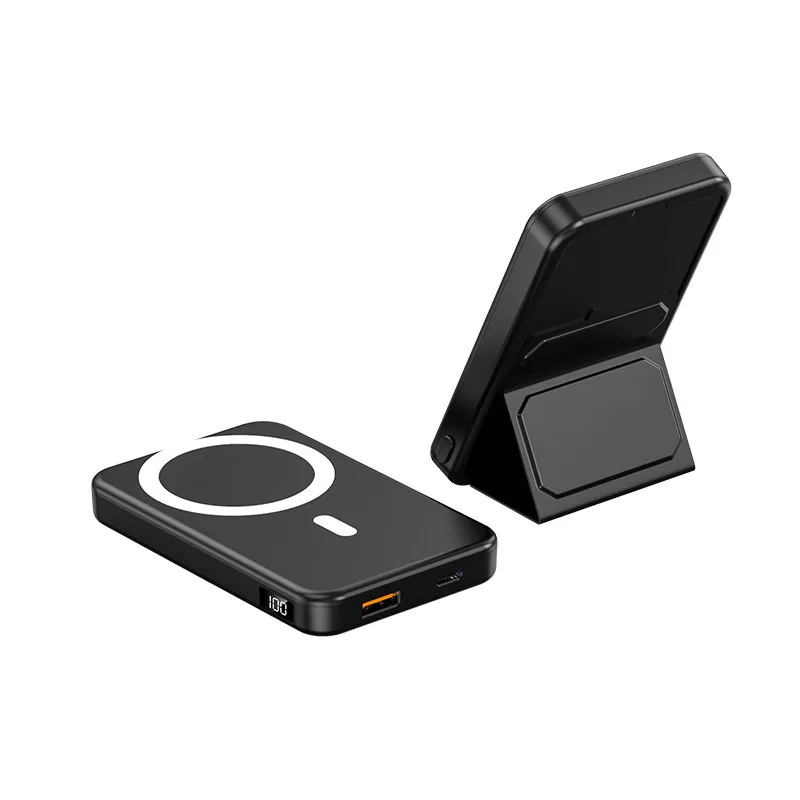
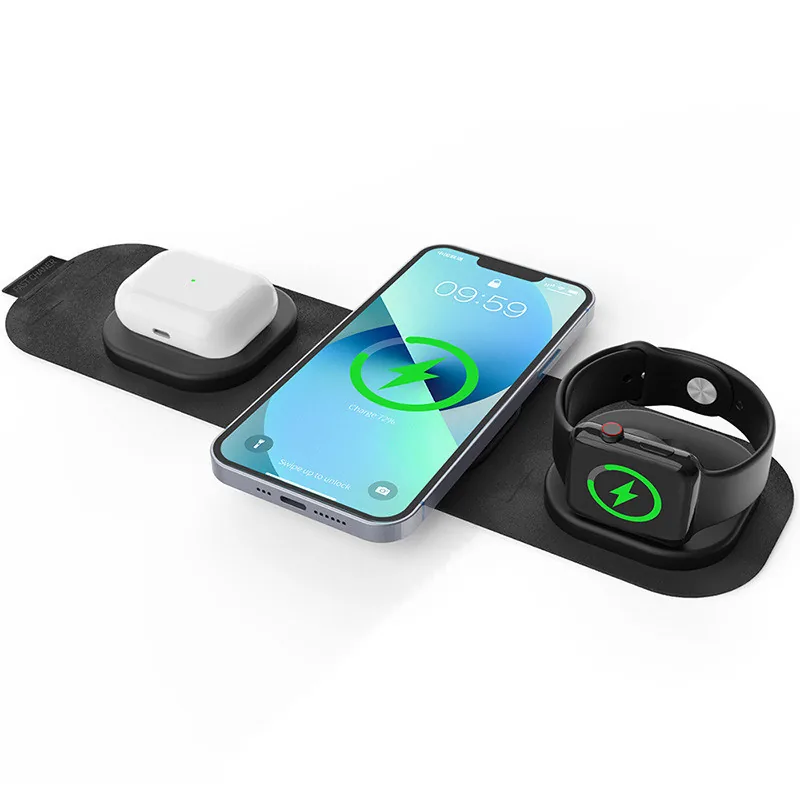
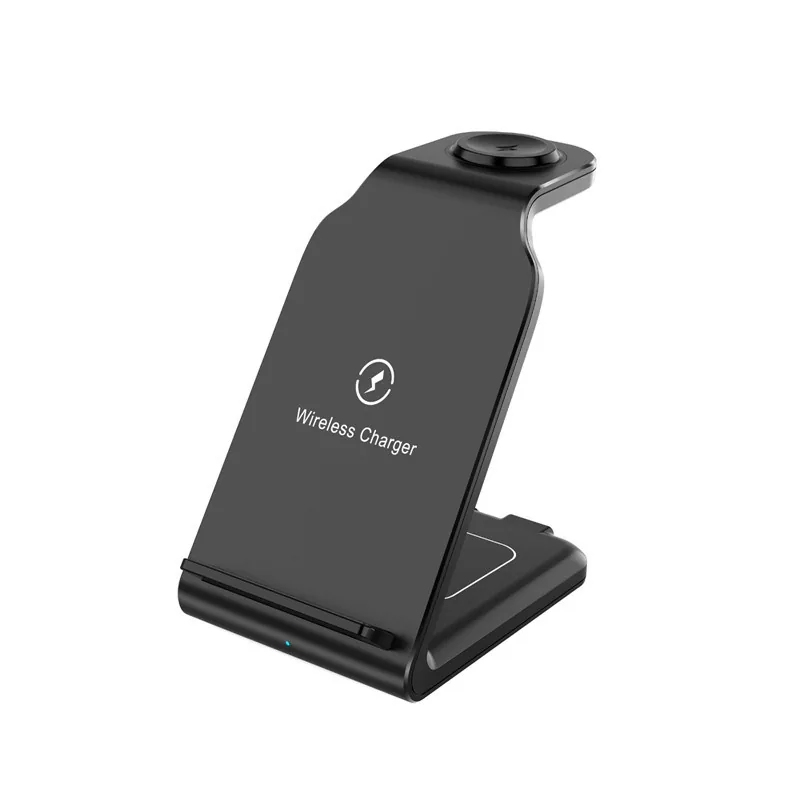
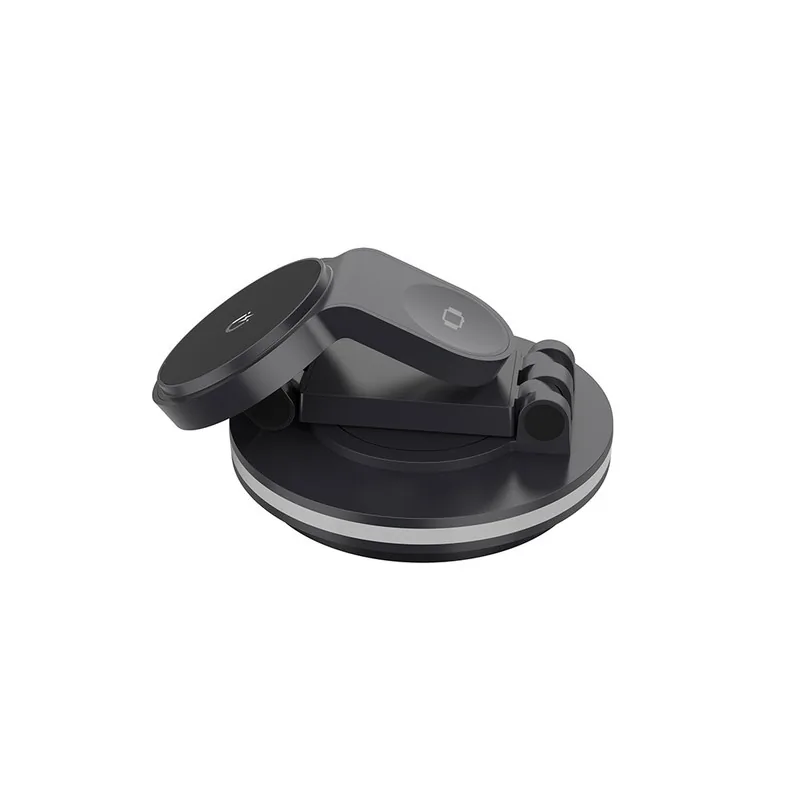
Sunntc makes wireless chargers, USB cables and wireless charging power banks to order for brands, importers, distributors and promotional-gift buyers. It does not sell its own consumer brand, so the buyer’s specification should describe the finished product the market will receive. You can start from existing wireless charging power bank formats or use an OEM/ODM brief when the product needs your design direction.
Capacity and the Wh limit
Power bank capacity is usually described in milliamp-hours, or mAh, which tells you how much charge the internal battery can store at its battery voltage. Freight and airline rules care more about watt-hours, or Wh, because Wh describes stored energy. IATA gives the formula as Wh = V x Ah, where Ah is amp-hours.
For buying decisions, treat capacity as a balance between usefulness, size, cost structure and transport limits. A smaller unit is easier to carry and suits one-day event gifts. A mid-size unit feels more substantial for travel and retail. A larger unit may support more charging, but it can make the product heavier and brings more attention to airline and shipping limits.
| Buying path | Capacity direction | Main reason |
|---|---|---|
| Event gift | Compact | Easy to carry |
| Retail pack | Mid-size | Clear value |
| Travel user | Higher, controlled | More runtime |
The 100 Wh line matters. The FAA says spare lithium batteries, including power banks and portable chargers, must be carried on and cannot be checked by passengers. It also says rechargeable batteries up to 100 Wh are allowed on passenger aircraft, batteries from 101 Wh to 160 Wh require airline approval and are limited to two spare batteries, and batteries over 160 Wh are forbidden for passengers.
UL 2056 is also built around this practical boundary for standalone power banks within its stated scope. UL Standards & Engagement describes UL 2056 as covering standalone power banks, also called portable USB chargers or portable backup battery power, with DC outputs up to 60 Vdc and power banks not exceeding 100 Wh. Its stated intent is to reduce fire or explosion risk.
USB-C, wireless and magnetic charging choices
USB-C is now the normal buyer expectation for many branded electronics, but the specification should say more than USB-C. State whether you need USB Power Delivery, often shortened to USB PD, which is a USB-IF charging system that enables more flexible power delivery over USB. USB-IF says USB PD Revision 3.1 extends USB-C power delivery up to 240 W with fixed-voltage levels of 28 V, 36 V and 48 V, but a power bank brief should specify the actual output profile you want rather than relying on a broad standard headline.
If you want official USB logos on product or packaging, USB-IF says companies need passing compliance testing, listing on the Integrators List and a trademark licence agreement. If you do not need logo use, still define the USB-C input and output performance, cable included, protection expectations and test report needs in the RFQ.
Wireless charging adds convenience but also adds test questions. Qi and Qi2 are Wireless Power Consortium standards. WPC says products may use the Qi or Qi2 logo only after testing in independent authorised labs for safety and interoperability. WPC says Qi2 brought 15 W wireless charging with magnetic attachment, and Qi2 25W raises wireless power to 25 W, described as nearly 70% more charging power than Qi2 15 W.
Magnetic charging should be specified carefully. MagSafe is Apple’s trademark, so use that word only when you mean Apple’s magnetic charging ecosystem. If you mean the WPC magnetic standard, specify Qi2. If you only need magnets to help alignment without making a standards-logo claim, say magnetic wireless charging and ask the supplier to confirm phone compatibility and packaging wording.
Apple says its MagSafe Charger uses USB-C power and, with supported iPhone models and suitable adapters, can deliver up to 25 W peak wireless charging. For iPhone 15 and earlier, Apple lists up to 15 W with a 20 W or greater USB-C adapter meeting stated voltage and current profiles. Apple also says actual power varies by iPhone model, adapter wattage and system conditions.
Google says Pixel Stand can charge Qi-certified phones, with different wireless power levels by Pixel model. It lists Pixel 9 Pro XL at up to 23 W on Pixel Stand 2, Pixel 9 at up to 15 W, and other Qi-compatible devices at up to 15 W on Pixel Stand 2. Google notes charging speed depends on battery level, wireless capability and case.
The practical conclusion is simple: do not write fast wireless charging without defining the standard, target devices and power claim. Also specify case limits and magnetic behaviour. Apple warns that cards, passports or key fobs should not sit between iPhone and charger, and Google notes that metal, batteries or attachments in cases can prevent charging.
Logo, finish and packaging approval
Logo decoration is where many projects look simple but fail at sample approval. A small logo may look clean on a screen and weak on a textured shell. A large logo may look strong but interfere with buttons, LEDs, wireless charging marks or regulatory text.
Common logo methods include pad printing, UV printing, laser marking and full-colour printed inserts or labels. The right choice depends on the surface, colour, texture, durability target and how the product will be handled. For premium promotional gifts, the artwork often needs to be tested on the actual material, not judged only from a digital mockup.
Before sample making, prepare:
- Vector logo files, such as editable AI, EPS or PDF artwork.
- Brand colour references for the logo and product shell.
- Logo size, position and orientation.
- Product colour, surface finish and any texture preference.
- LED window, button and port positions that must stay visible.
- Packaging dieline, artwork, barcode area and warning-label needs.
- Manual language and the exact charging claims allowed on the box.
- Approval standard for logo colour, alignment, scratch resistance and print clarity.
Packaging for a branded power bank should explain the product without overclaiming. Include rated capacity, Wh where required, input and output information, wireless charging notes, included cable information and safe-use warnings. If your market needs RoHS, the European Commission describes RoHS as EU rules restricting hazardous substances in electrical and electronic equipment to protect the environment and public health, linked to Directive 2011/65/EU.
Safety evidence and lithium shipping papers
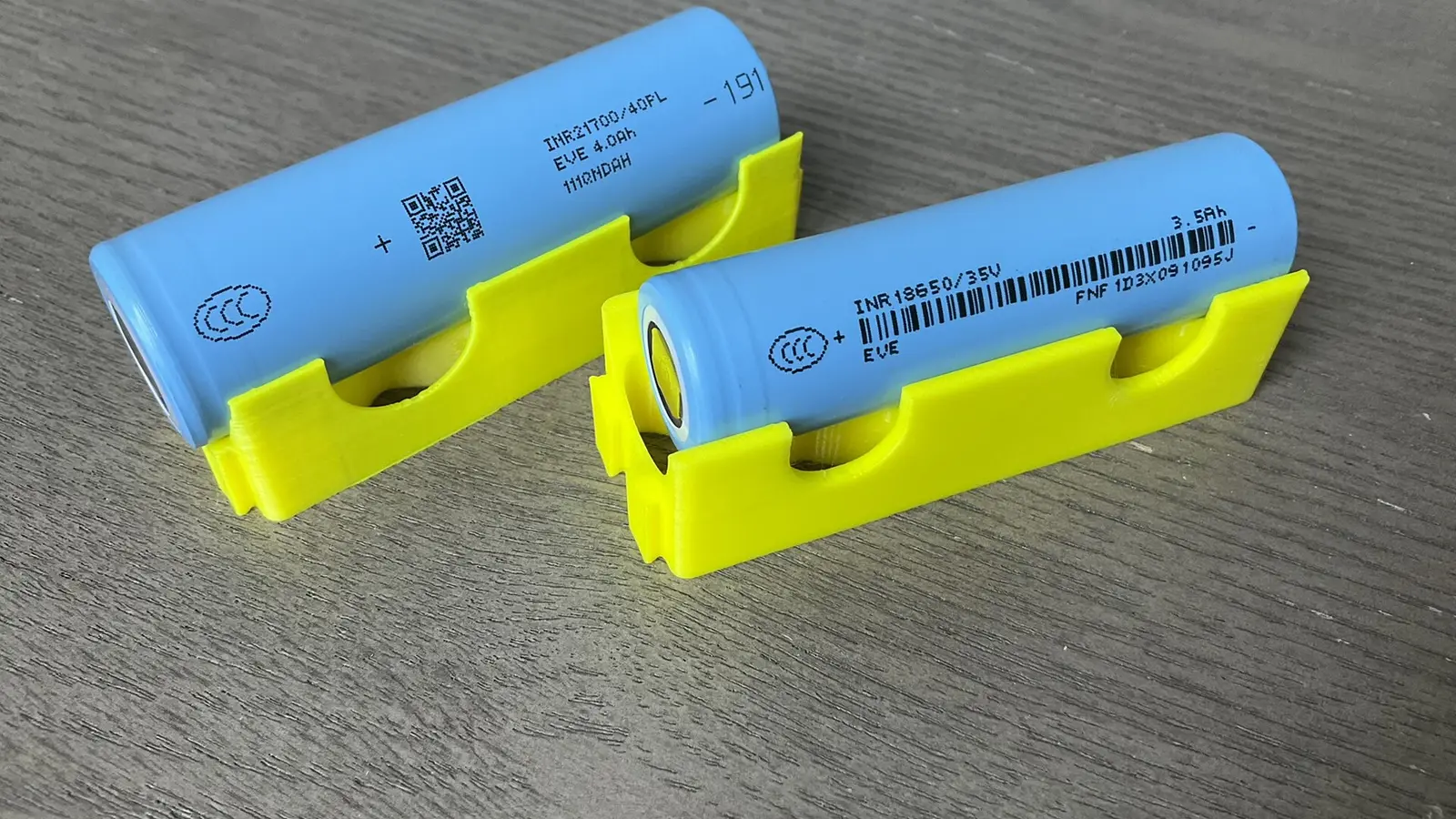
Power banks are lithium-battery products, so safety and freight documents should be planned before final payment or freight booking. IATA defines power banks as portable battery packs designed to supply power to other equipment and says they are classified as batteries for the regulations. IATA also classifies lithium-ion batteries as UN 3480 when shipped by themselves.
Treat a power bank shipment as a battery shipment first and a branded gift shipment second.
IATA says lithium-ion batteries shipped by themselves are forbidden as cargo on passenger aircraft and must be at no more than 30% state of charge under the stated packing instruction. This affects air freight planning, documentation and how your forwarder books the shipment.
UL Solutions says UL 2056 covers safety aspects such as overcharge and over-discharge protection, short-circuit and overload testing, drop and impact resistance, and thermal safety. It frames certification as evidence that products have been tested for consumer safety and regulatory compliance. For a buyer, the useful point is not just a certificate name; it is whether the exact product configuration, capacity and charging functions match the evidence provided.
USB and wireless functions can add separate compliance questions. USB-IF lists a January 2025 required update for USB PD power banks: all power banks capable of wireless charging must be tested against the Source Power Test Requirements Specification with the wireless charging capability fully loaded. The same USB-IF page says Standard Power Range products can be tested against one approved USB PD compliance test solution if it implements the full USB PD CTS.
Ask for a document pack that matches the destination market and shipment mode:
- Product specification showing rated capacity, Wh, ports and wireless function.
- Battery classification information, including UN 3480 where lithium-ion batteries are shipped by themselves.
- Air-shipment information required by the forwarder, including state-of-charge control when applicable.
- Safety evidence for the power bank standard you specify, such as UL 2056 where required by your project.
- RoHS evidence for EU electrical and electronic equipment where applicable.
- USB-IF or WPC logo-use evidence if your packaging uses those logos.
- Inspection records for capacity, charging, protection functions, appearance and packaging.
RFQ details that prevent sample mismatch
A good RFQ is a control document. It should tell the manufacturer what to build, what to print, what to pack, what to test and what documents must be ready before shipment.
Include these items in the RFQ:
- Buyer path: promotional gift, retail/private label, distributor import or OEM/ODM.
- Target market and shipment destination.
- Expected order quantity and target delivery date.
- Rated capacity requirement and Wh information.
- Battery type preference, if your brand has one.
- USB-C input, USB-C output and any USB PD expectations.
- Other ports, built-in cable or bundled USB cable requirements.
- Wireless charging standard: Qi, Qi2 or magnetic wireless charging without logo use.
- Target phone models and whether magnetic alignment is required.
- Product colour, surface texture, materials and finish direction.
- Logo method, logo size, position, colour references and artwork files.
- Packaging type, packaging artwork, manual language and carton marks.
- Safety, RoHS, USB and wireless documents required for the destination market.
- Commercial delivery term, forwarder details and preferred shipment mode.
- Sample approval criteria for function, appearance, print, packaging and documents.
If you want a quotation or sample from Sunntc, send the brief through the contact page. The cleaner the RFQ, the easier it is to compare offers and approve a sample that matches the final branded power bank.
Questions and answers
What capacity should I choose for a custom power bank?
Choose capacity by user case first. Compact units suit event gifts and daily carry, mid-size units suit retail and travel use, and larger units should be checked carefully against Wh limits, weight, packaging size and freight planning. Always ask the supplier to show the Wh rating, not only the mAh label.
How do I convert mAh into Wh?
IATA gives the formula Wh = V x Ah. Convert mAh to Ah, then multiply by the battery voltage used for the rating. This matters because airline and freight rules use Wh, and many lithium-ion batteries must be marked with Wh.
Should a branded unit include USB-C PD, wireless charging or magnetic charging?
Use USB-C PD when wired charging performance is part of the product promise. Add wireless charging when convenience matters more than cable speed. Add magnetic alignment when the target phones support it and the packaging can describe it accurately. If you need standards logos, plan the related compliance route before artwork approval.
Should I specify MagSafe, Qi2 or magnetic wireless charging?
Use MagSafe only when you mean Apple’s trademarked magnetic charging context. Use Qi2 when you mean the WPC magnetic wireless charging standard. Use magnetic wireless charging when you want magnets for alignment but are not making a Qi2 logo claim.
What documents are needed to ship lithium power banks by air?
Power banks are classified as batteries for IATA regulations. For lithium-ion power banks shipped by themselves, plan documents around UN 3480, Wh rating, packing instruction requirements and state-of-charge control where applicable. Your forwarder should confirm the exact paperwork for the route and airline.
What should be checked before paying the balance or booking freight?
Check the approved sample against the final specification, logo, packaging, manual, carton marks and document pack. Confirm capacity and charging test results, protection-function checks, appearance inspection, RoHS evidence where needed, and any USB or wireless logo-use evidence before freight is booked.
Sources
- Wireless Power Consortium: Qi: Mobile charging empowered
- USB Implementers Forum: USB Charger (USB Power Delivery)
- USB Implementers Forum: USB-IF Compliance Updates - Power Delivery
- International Air Transport Association: IATA Guidance Document for Lithium Batteries and Sodium ion Batteries – 2026
- Federal Aviation Administration: Airline Passengers and Batteries
- UL Standards & Engagement: UL 2056 - Power Banks
- UL Solutions: Enhance the Safety of Power Banks with UL 2056 Testing
- European Commission: Restriction of Hazardous Substances in Electrical and Electronic Equipment (RoHS)
- Apple Support: How to use your MagSafe Charger with iPhone
- Google Pixel Phone Help: Charge your phone with a Pixel Stand
Written by the engineering team at Shenzhen Sunning Tension Industrial Co., Ltd, an OEM and ODM factory in Bao’an, Shenzhen making consumer electronics and supplying custom-branded gifts. Ask a question about your own specification →