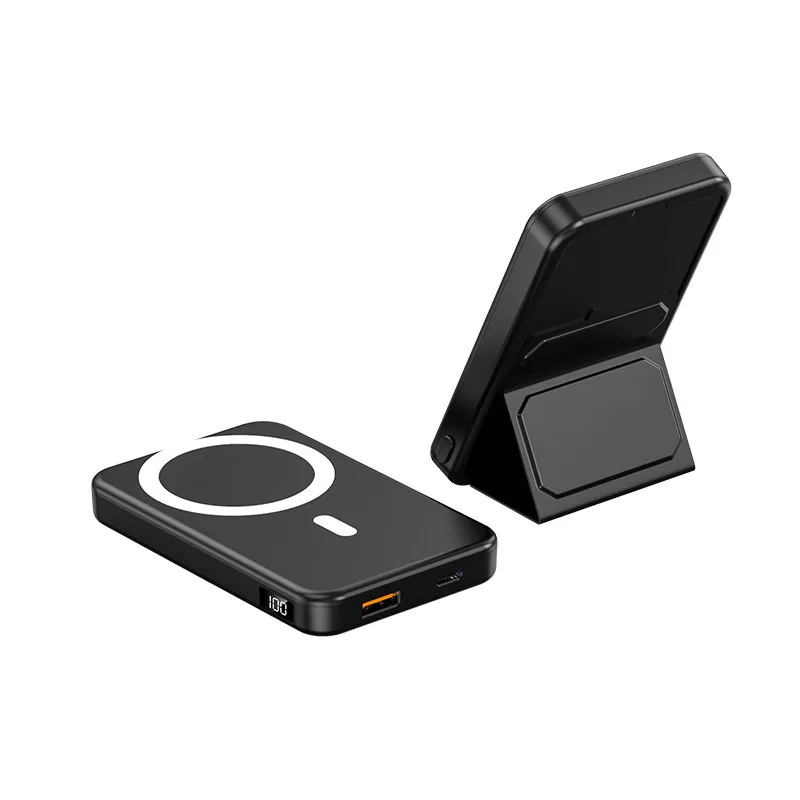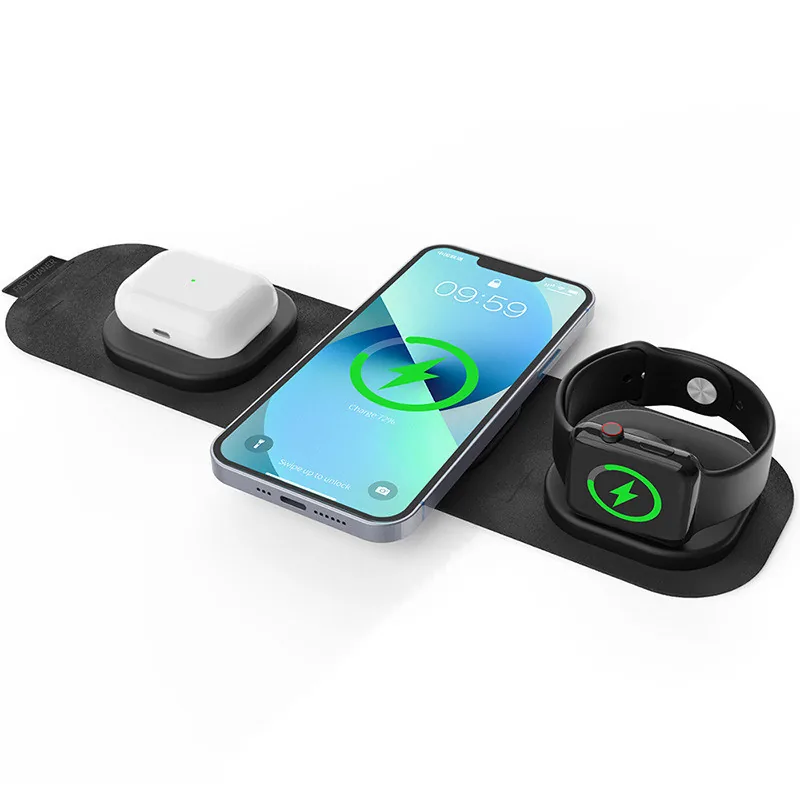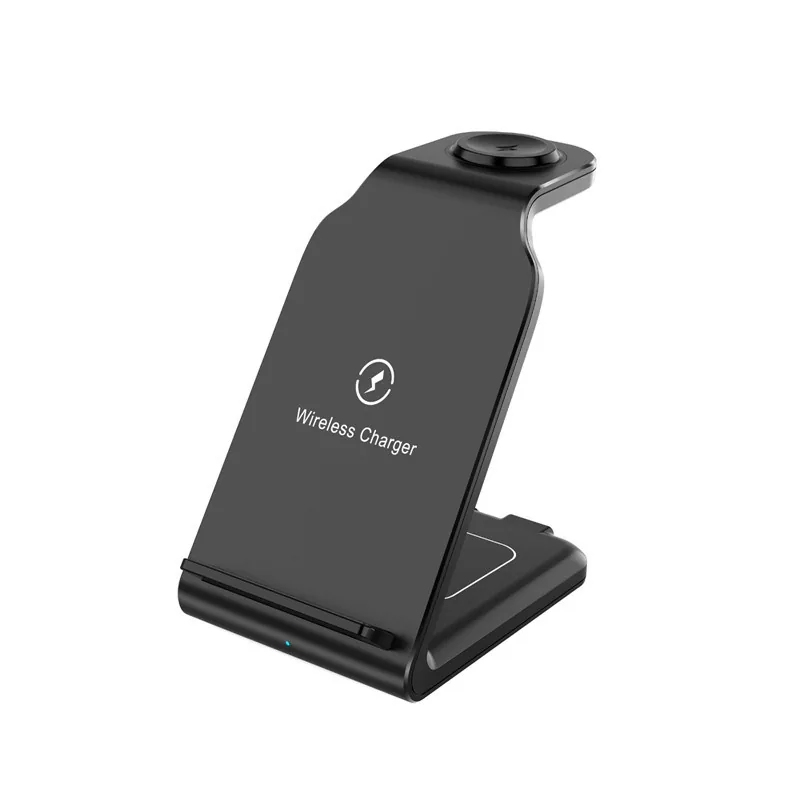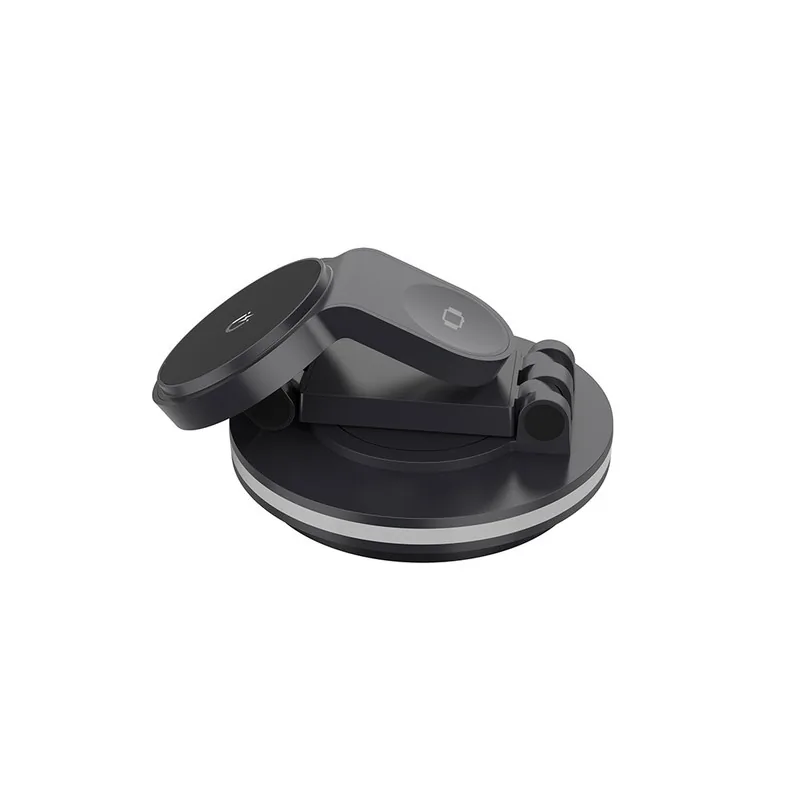
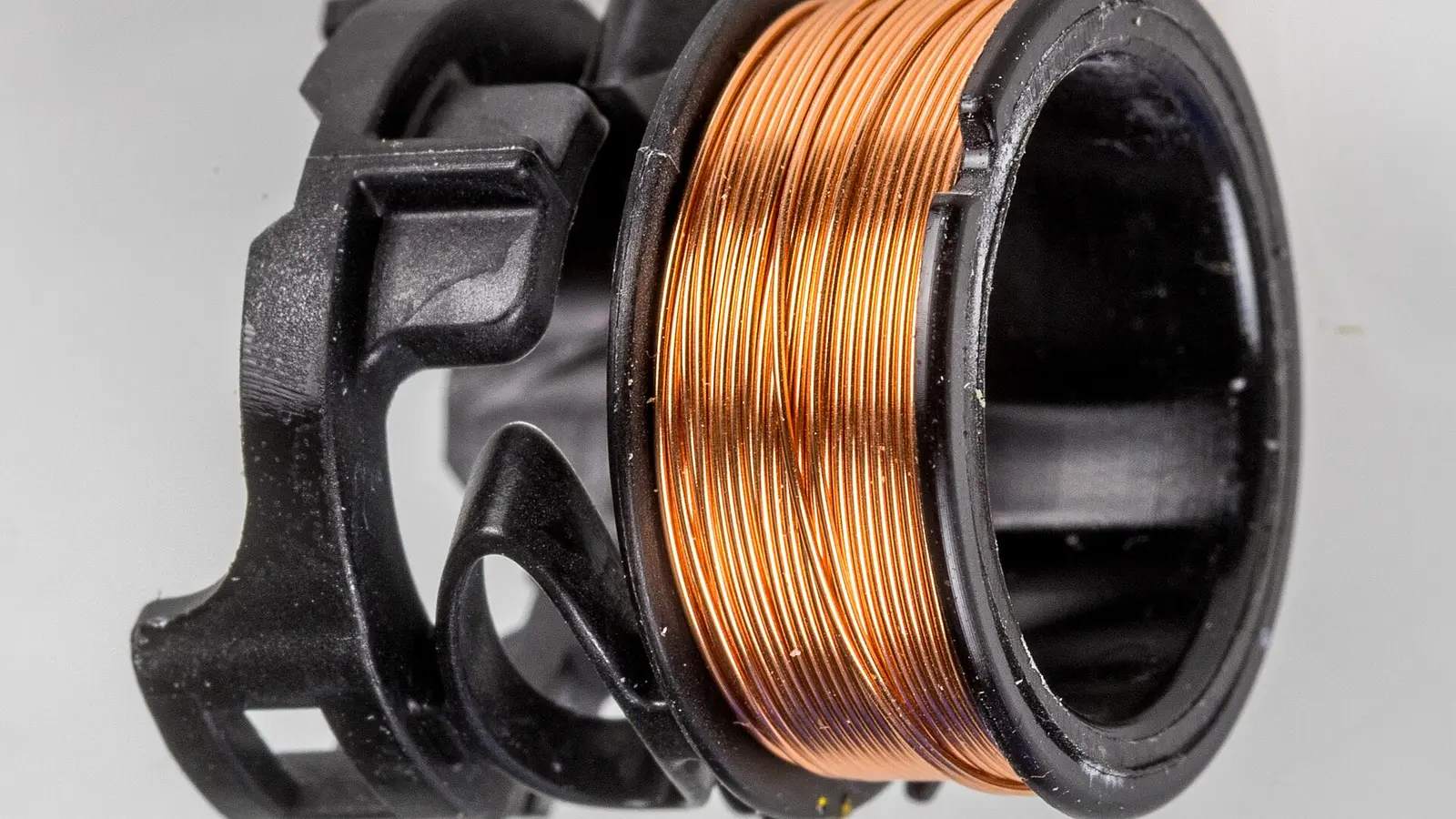
A magnetic power bank charges a phone by holding the phone in the right position over a wireless charging coil, then transferring power across the small gap without a cable. It is useful for travel, retail bundles and promotional gifts, but the right specification depends on usable capacity, real charging speed, heat behavior, case fit and airline watt-hour rules.
How magnetic wireless charging works
Wireless charging is still an electrical power system; it simply removes the exposed charging plug. A transmitter in the power bank creates an alternating magnetic field, and a receiver in the phone turns that field back into regulated electrical power for the battery. Texas Instruments describes this receiver-side function as AC-to-DC conversion and regulation, with digital control for the Qi communication protocol so the transmitter and receiver can form a contactless power-transfer system.
The magnets do not charge the phone. Their job is alignment. The Wireless Power Consortium says Qi2 added magnetic attachment so the phone and charger align more easily, improving energy efficiency, charging speed and ease of use. Poor alignment can waste power, slow charging, stop charging or increase heat.
Qi is the Wireless Power Consortium’s wireless charging standard. Qi2 is the newer standard that added the Magnetic Power Profile for magnetic attachment and alignment. MagSafe is Apple’s trademark for its magnetic charging accessory system, so use the term carefully in packaging: it is relevant to Apple users, but it is not a generic name for every magnetic wireless charger.
For a buyer, the first decision is the device group you want to serve. Then define the wireless standard, magnet layout, wireless wattage, USB-C behavior, case allowance and safety wording around that group. If you are preparing an OEM or ODM brief, Sunntc makes wireless chargers, USB cables and wireless charging power banks to order for brands, importers, distributors and promotional-gift buyers; the OEM/ODM overview is a useful place to turn a product idea into a clearer specification.
Magnetic power bank buying decisions
The same physical product can be judged in different ways. A retail buyer may care most about clear packaging claims, compatibility language and repeatable user experience. A promotional-gift buyer may care more about compact size, logo area and simple operation. An importer may focus on documents, carton marking and pre-shipment inspection.
The most important point is that magnetic attachment should be treated as both a user feature and an engineering requirement. A pack that holds the phone but misaligns the coil is not a good user experience. A pack that charges well without a case but fails with common cases may create returns or complaints.
Use these decisions before asking for a quotation:
- Target phones: define the phone families and versions you need to support.
- Standard: state whether you need Qi, Qi2 Magnetic Power Profile or Apple-device magnetic compatibility.
- Capacity class: choose slim daily backup or larger travel support.
- Wireless output: set the target wattage and the phones used for testing.
- USB-C port: define whether it is input only or input and output.
- Display: choose indicator dots, a percentage display or no display.
- Stand function: confirm whether a kickstand is needed in portrait and landscape use.
- Shell finish: choose the surface for scratch resistance, logo visibility and hand feel.
- Logo and packaging: define artwork area, warning text, barcode needs and carton labels.
You can review format options in the wireless charging power bank category, then build the final brief around your target market and device list.
Charging speed ratings in plain terms
Wireless charging speed is not decided by the power bank alone. The phone, charging standard, case, temperature, battery state and USB-C power design all affect the actual result. USB Power Delivery, often called USB PD, is the USB-C negotiation system that lets devices request only the power they need and allows power direction to change between products. That matters when a power bank is both being charged and charging other devices.
The Wireless Power Consortium says Qi v1.2 introduced power delivery up to 15 W and improved thermal and foreign-object-detection testing. It also says Qi2 brought 15 W charging to certified mobile devices, and Qi2 25W raises charging power by nearly 70%. Infineon describes a Qi2 Magnetic Power Profile transmitter reference design for 15 W wireless charging and support for 5 W Qi Basic Power Profile.
Apple’s adapter guidance shows why the power path matters. Apple says its MagSafe Charger needs a USB-C power adapter of 20 W or greater with the stated profiles for up to 15 W on iPhone 15 and earlier, and 30 W or greater with the stated profile for up to 25 W on listed newer iPhones. A power bank has the same kind of system limit: a high wireless number on a label must be supported by the internal power design and the phone must accept that mode.
| Rating to specify | Typical meaning | Buyer check |
|---|---|---|
| 5 W | Basic wireless | Broad, slower use |
| 15 W | Qi/Qi2 class | Test target phones |
| 25 W | Newer high output | Verify phone support |
Treat 7.5 W, 10 W, 15 W and 25 W claims as claims to test, not just words for a package. The safer brief says which phones, cases and temperature conditions were used for approval.
Usable capacity and the mAh label
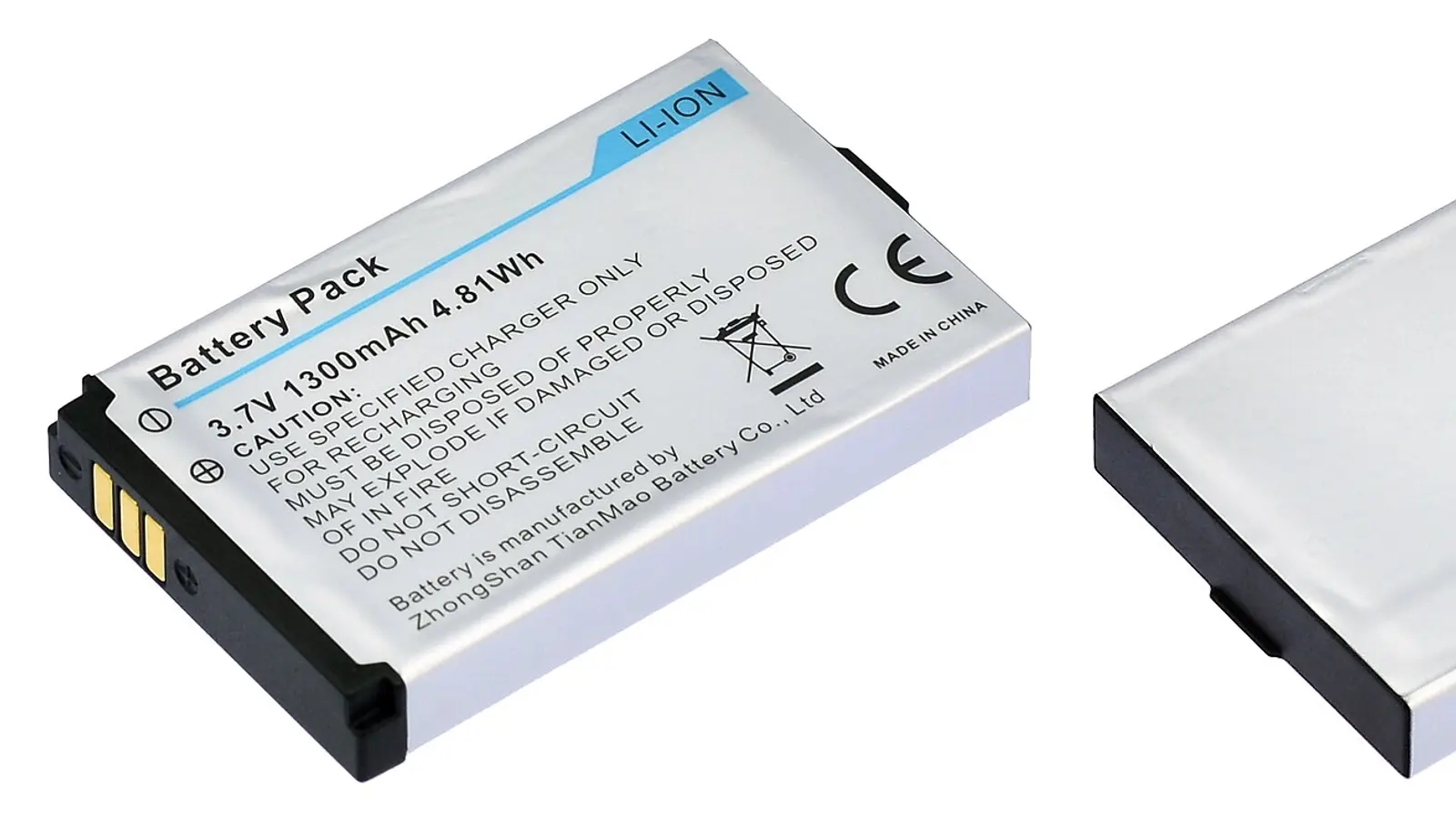
The milliamp-hour label is often misunderstood. A 5,000 mAh or 10,000 mAh marking describes the internal battery capacity under the pack’s stated battery conditions; it does not mean the same number of milliamp-hours will appear in the phone battery.
IATA gives the watt-hour method used for lithium-ion batteries: watt-hours are calculated by multiplying nominal voltage by amp-hours, and if only mAh is marked, divide mAh by 1000 to get Ah first. Watt-hours are more useful for travel and logistics because they include voltage; mAh alone does not.
In real use, energy is lost as the pack converts battery power, drives the transmitter coil, transfers power across the air gap and lets the phone regulate charging into its own battery. Apple also notes for EU users that wireless charging may use more power than wired charging. This is why a 5,000 mAh pack should not be marketed as a certain full-phone refill without testing the actual phone model.
For many retail and promotional programs, a 10,000 mAh class product gives more headroom for larger phones and wireless losses. A slimmer 5,000 mAh class product can still be right where pocket size, light carry and a lower-profile gift are more important than maximum refill expectation.
Heat, cases, metal and cards
Heat is normal in wireless charging because power is being converted and transferred without direct metal contact. The goal is controlled heat, stable charging and clear user instructions.
Apple says iPhone may automatically slow or pause charging when it becomes too warm or too cold, and charging resumes when the battery returns to a safe temperature. Apple recommends charging in 32° to 95°F, or 0° to 35°C, environments and removing the case if the phone tends to heat up. Google also says Pixel charging may pause if the phone gets too warm.
Samsung advises centering the device on the pad, using Qi2-certified covers and Magnetic Power Profile wireless chargers for optimal alignment and fast charging up to 15 W, keeping non-Samsung cases no thicker than 5 mm, and avoiding conductive materials, metal objects, magnets, credit cards and RFID cards between the device and charger.
Keep metal objects, magnetic wallets, credit cards and RFID cards out from between the phone and the charging face; they can cause slow charging, charging stops or overheating.
For buyer approval, test the phone with common cases, not only with a bare phone. If your design includes a kickstand, ring, decorative plate or wallet accessory, make sure the design does not encourage users to place metal in the charging path.
Airline and shipping limits
IATA defines a power bank as a portable battery pack primarily designed to supply power to other devices, and says power banks are classified as batteries for lithium-battery regulations. For passengers, the key number is watt-hours.
Under IATA passenger guidance, lithium-ion power banks up to 100 Wh are generally within the normal spare-battery limit for carry-on baggage. Power banks over 100 Wh and not more than 160 Wh need airline approval, and passenger quantity is restricted. A buyer should make the watt-hour rating clear on the product and packaging so travellers and airline staff can identify it.
The calculation is simple: convert mAh to Ah by dividing by 1000, then multiply by nominal voltage to get Wh. For bulk shipping, passenger rules are not enough. Ask your freight forwarder what battery documents, labels and carton markings are required for the destination and route. Importers and marketplaces may also ask for market compliance files, restricted-substance declarations and battery transport documents such as FCC, CE, RoHS, UN38.3 and MSDS paperwork, depending on the market and sales channel.
Sample testing before approval
A sample should be tested as a working charging product, not only as a design mock-up. Use the same conditions your customer will face: a phone attached magnetically, a phone in a case, a partly discharged power bank and a long enough session to show heat behavior.
- Test wireless charging on the target phone list.
- Check that magnetic alignment starts charging without careful hand positioning.
- Try common cases and reject combinations that slide, misalign or stop charging.
- Compare wireless charging with USB-C wired output where speed matters.
- Run a heat check in a normal indoor environment.
- Inspect USB-C port fit after repeated plug-in and removal.
- Check button feel, display readability and standby drain behavior.
- Confirm that the marked watt-hour rating can be calculated from battery data.
- Review the manual for metal-object, card and temperature warnings.
- Review packaging artwork before approving the final sample.
If convenience is the main promise, keep the message simple: attach, top up and carry. If speed and usable capacity are the main promise, include wired USB-C behavior in the comparison. For a quotation or sample request, send your brief through the contact page with the target market, phone list and packaging requirements.
Questions and answers
How does it charge my phone without a cable?
It uses a transmitter coil in the power bank and a receiver coil in the phone. The transmitter creates an alternating magnetic field, the receiver converts that energy back into regulated electrical power, and the phone manages battery charging. The magnets help place the two coils in the right position.
Is a MagSafe accessory the same thing as a Qi2 magnetic accessory?
Not exactly. MagSafe is Apple’s trademark for its magnetic charging accessory system. Qi2 is the Wireless Power Consortium standard that added magnetic attachment through the Magnetic Power Profile. For buying, specify the phones you need to support and the compatibility claim you want tested.
Why does a 10,000 mAh pack not give two full 5,000 mAh phone charges?
The mAh label is not the same as delivered phone battery percentage. Power is converted inside the bank, transferred wirelessly, regulated again by the phone and sometimes slowed by heat. Test real phone refills before writing retail claims.
What charging speed should I expect?
Expect the phone and temperature to decide the real speed. The Wireless Power Consortium describes 15 W for Qi2 certified mobile devices, and Apple lists adapter conditions for up to 15 W or up to 25 W on specific iPhones. Verify the claim on your target phones.
Do cases, wallets or cards affect magnetic wireless charging?
Yes. Samsung warns that misalignment, conductive materials, metal objects, magnets, credit cards and RFID cards between phone and charger can cause slow charging, charging stops or overheating. Apple also advises keeping metal objects and sensitive cards away from the charging area.
Can I take one on a plane?
Usually, if the watt-hour rating is within the airline limit and it is carried according to lithium-battery rules. IATA classifies power banks as batteries; up to 100 Wh is the normal passenger limit, while over 100 Wh and not more than 160 Wh needs airline approval. Always check the airline before travel.
Sources
- Wireless Power Consortium: Qi Wireless charging
- Wireless Power Consortium: History of the Qi Specifications
- Texas Instruments: BQ51013B | Buy TI Parts | TI.com
- Infineon Technologies: REF-WLC-TX15W-M1 - Evaluation Boards
- Apple: How to use your MagSafe Charger with iPhone
- Apple: Understand Thermally Limited Charging on iPhone
- Samsung: Samsung Galaxy phone will not charge wirelessly
- Google: Charge your Pixel phone
- USB Implementers Forum: USB Charger (USB Power Delivery)
- International Air Transport Association: Battery guidance document
Written by the engineering team at Shenzhen Sunning Tension Industrial Co., Ltd, an OEM and ODM factory in Bao’an, Shenzhen making consumer electronics and supplying custom-branded gifts. Ask a question about your own specification →